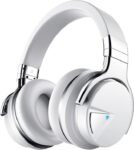
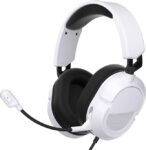
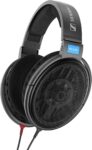
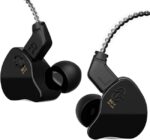


Choosing the perfect headphones in 2025 isn’t just about sound. It’s about lifestyle, features, design, and future-proof technology. With the global headphone market projected to reach $185 billion by 2026 (Statista), the variety and complexity of options have exploded. Whether you’re an audiophile, gamer, remote worker, or casual listener, making the right decision today can transform your entire audio experience.
1. Define Your Primary Use Case
Before diving into specs, identify how you’ll use the headphones.
-
Commuters need active noise cancellation (ANC) and portability.
-
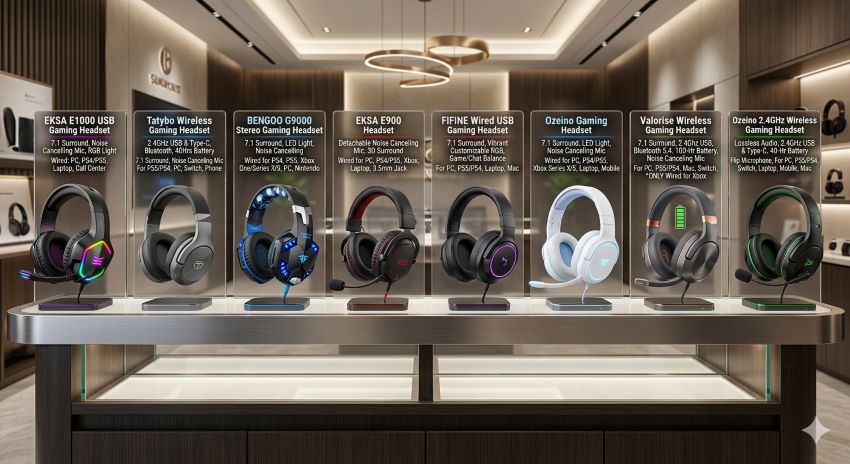
Gamers prioritize spatial audio and low-latency connections.
-
Remote workers require crystal-clear microphones and all-day comfort.
-
Music lovers chase high-fidelity audio and wide frequency ranges.
Understanding this narrows your options significantly. For instance, ANC might be overkill if you’re using headphones solely for indoor streaming. But for frequent flyers, it’s non-negotiable.
2. Choose Between Over-Ear, On-Ear, and In-Ear
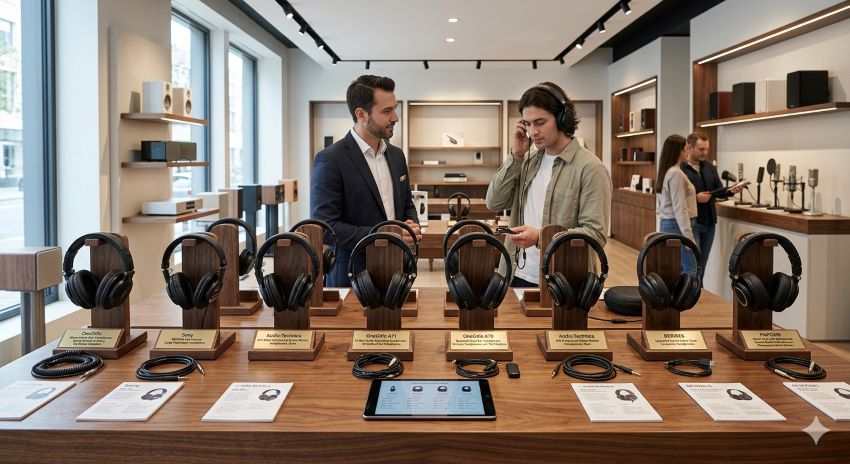
Design matters as much as performance. Over-ear headphones usually offer better sound isolation and comfort during long sessions. They’re ideal for studio work or immersive listening.
On-ear headphones are more compact and breathable but can cause fatigue after prolonged use. In-ear (or earbuds) are the most portable, often with superior ANC in 2025 models—think Sony WF-1000XM5 or Apple’s AirPods Pro 2.
According to Consumer Reports, 62% of users prefer over-ear models for comfort and audio richness, especially when working from home.
3. Wired vs. Wireless: Which One Makes Sense?
Wireless headphones dominate the market, making up over 85% of sales in 2024 (IDC). Yet wired headphones remain irreplaceable in certain contexts, particularly for audiophiles and studio engineers.
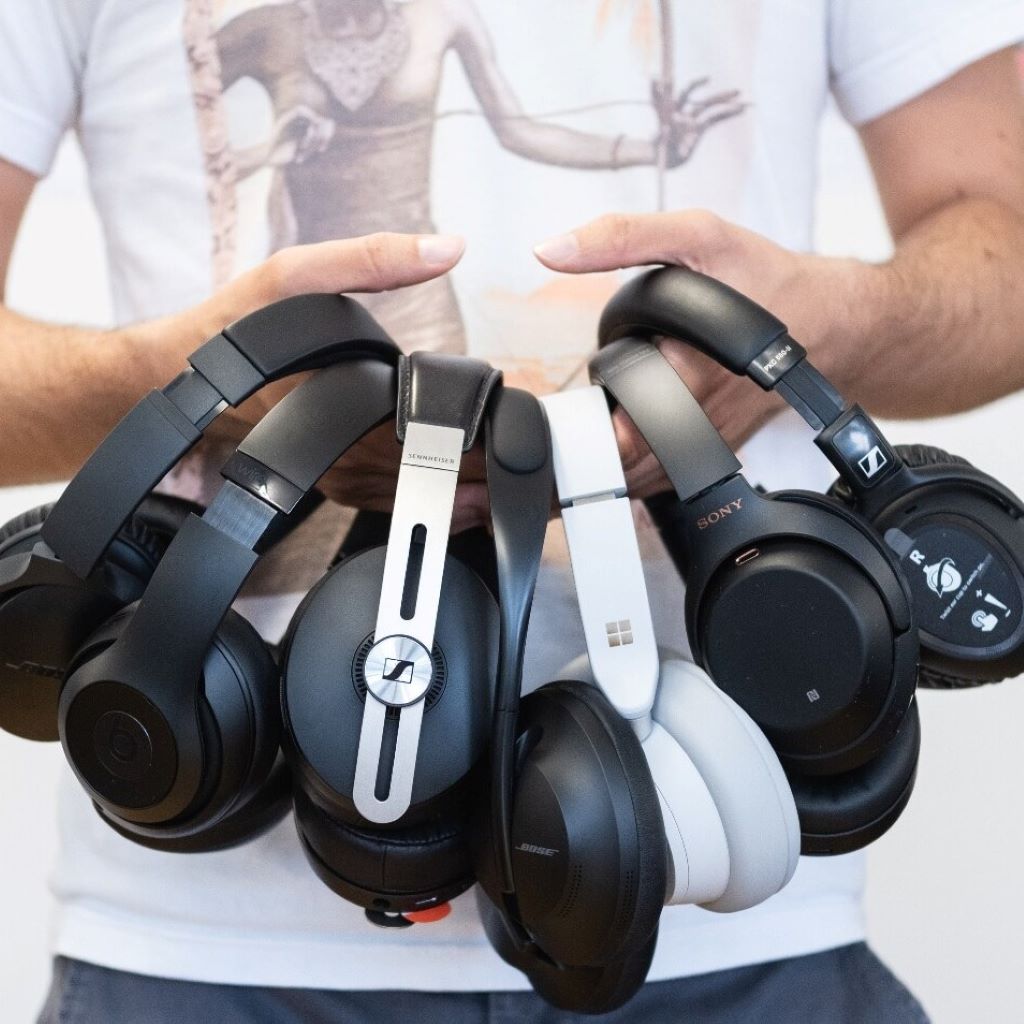
Bluetooth 5.4 and LE Audio in 2025 offer near-lossless audio transmission, but high-impedance wired models like the Sennheiser HD800S still outperform in clarity and detail. If latency or battery life matters, consider wired. Otherwise, top-tier wireless headphones like the Bose QuietComfort Ultra offer astonishing performance without cords.
4. Prioritize Noise Cancellation and Transparency Modes
Active noise cancellation has evolved dramatically. Adaptive ANC now adjusts based on ambient noise. Bose, Apple, and Sony lead the way, using AI to analyze and cancel environmental sounds in real time.
But ANC isn’t always the best option. In certain situations, such as walking in traffic or working in collaborative spaces, transparency mode is essential. This feature allows external sounds through, keeping users aware of their environment.
Choose headphones with customizable ANC levels. Some 2025 models even let users tune ANC profiles through connected apps like the Sony Headphones Connect or Bose Music.
5. Audio Quality: Beyond Just Bass and Treble
Audio quality remains king. Look for frequency response (20 Hz – 20 kHz is standard), driver size, codec support (aptX Adaptive, LDAC, AAC), and DAC integration.
Brands like Focal, Audeze, and Bowers & Wilkins continue to push boundaries in high-resolution audio. The Bowers & Wilkins Px8, for example, supports 24-bit streaming with low distortion and crystal clarity.
Additionally, spatial audio and head-tracking have changed the game. Apple’s Spatial Audio or Sony’s 360 Reality Audio provide theater-like experiences—especially valuable for gaming and immersive streaming.
6. Battery Life and Charging Features
Long battery life is essential for daily use. Look for headphones offering at least:
-
30–40 hours for over-ear models.
-
6–10 hours for earbuds (plus charging case recharges).
Fast charging is now a standard expectation. For instance, the Jabra Elite 10 delivers 5 hours of playtime with just 10 minutes of charge. Wireless charging is also increasingly available, eliminating cord clutter.
7. Comfort, Durability, and Build Quality
Ergonomic design matters more in 2025, especially with long work-from-home sessions. Look for memory foam earcups, adjustable bands, and lightweight builds under 300g.
Durability goes beyond aesthetics. IP ratings protect against sweat and rain—essential for fitness users. The Beats Fit Pro, for example, combines stylish design with IPX4 water resistance and secure fit for workouts.
Aluminum frames and flexible hinges also extend product life. Don’t overlook warranty and repair services; brands like Sony and Bose offer extended protection plans for peace of mind.
8. Smart Features: Voice Assistants, App Integration, and AI
Modern headphones now function like wearable tech. They support:
-
Voice assistants (Google Assistant, Siri, Alexa)
-
Custom EQ via apps
-
AI-powered sound personalization
The NuraTrue Pro, for example, adjusts its sound based on your hearing profile using machine learning. In 2025, headphone AI adapts soundscapes in real-time—perfect for changing environments.
9. Price vs. Performance: What’s the Sweet Spot?
You don’t need to spend $500 to get great quality. Mid-range models ($150–$300) now deliver impressive ANC, excellent sound, and reliable connectivity.
Check comparison sites like RTINGS.com or SoundGuys for detailed side-by-sides before purchasing. If you’re on a budget, Anker’s Soundcore series continues to outperform competitors in value for money.
10. Sustainability and Brand Ethics
More buyers in 2025 are choosing sustainable tech. Companies like House of Marley use recycled materials and offer carbon-neutral packaging. Fairphone is also pushing modular headphone designs for easier repairs.
While sound quality is vital, the environmental cost shouldn’t be ignored. Check for responsible manufacturing, certifications, and recycling programs before buying.
FAQs About How to Choose the Right Headphones in 2025
1. Are over-ear headphones still better for sound quality?
Yes. Over-ear designs offer superior drivers and isolation, making them ideal for immersive audio.
2. What are the best wireless headphones in 2025?
Sony WH-1000XM5, Apple AirPods Max, and Bose QuietComfort Ultra lead the market for features and sound.
3. Do I need ANC if I work from home?
Not always. But adaptive ANC helps reduce ambient distractions, especially in shared living spaces.
4. What codec should I look for in 2025?
LDAC and aptX Adaptive provide the highest quality Bluetooth audio. Ensure your device supports them.
5. Are cheap headphones worth it?
Yes, if you choose wisely. Brands like Anker offer solid ANC and audio in the sub-$100 range.
6. Can I use gaming headphones for work?
You can. However, some gaming models lack noise cancellation or refined microphone quality.
7. How important is app support?
Very. Most brands provide apps for EQ, ANC tuning, and firmware updates—crucial for a tailored experience.
Final Thought
Knowing how to choose the right headphones in 2025 is less about chasing trends and more about aligning your needs with the right tech. Whether it’s premium sound, smart features, or long-term comfort, your ideal headphones should elevate your daily life.
Prioritize your core needs. Compare brands wisely. Don’t fall for flashy marketing. Instead, rely on real specs, expert reviews, and hands-on testing. With AI, spatial sound, and user-focused designs now mainstream, 2025 offers more choice than ever—but only if you know what to look for.