

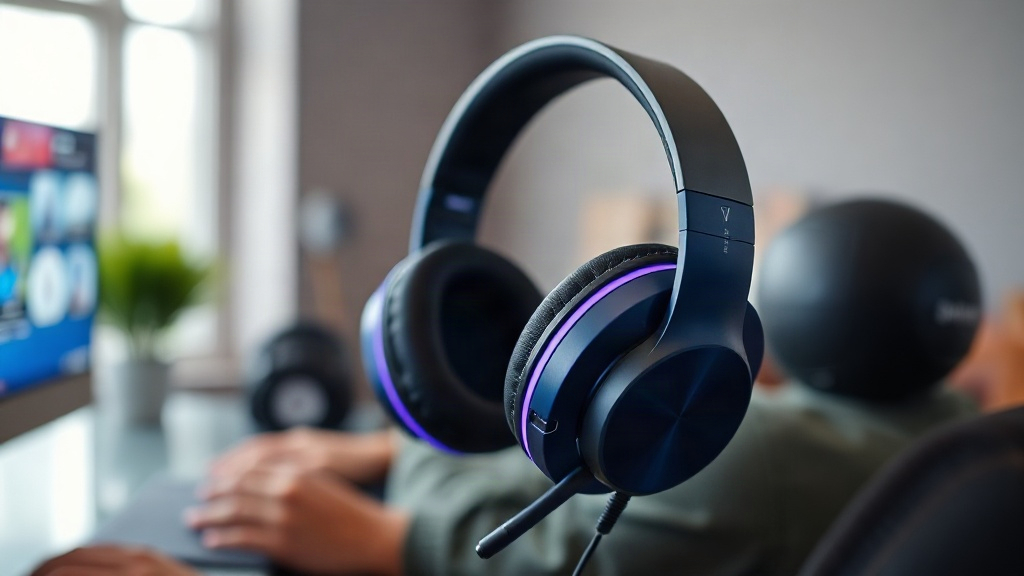
Finding the Best headphones for gaming, running, or sleeping? starts with one hard truth: no single pair excels at all three. Gaming demands low latency and a clear mic, running demands a secure fit and sweat resistance, and sleeping demands a flat, comfortable profile you can wear on a pillow.
Quick answer: Buy for your dominant use case, not for every scenario. Gamers should prioritize a low-latency wireless connection and a boom mic, runners need open-ear or wing-tipped designs with an IPX water rating, and sleepers do best with thin, flat earbuds or a soft headband. A single pair rarely wins on all three fronts, so pick the design that matches how you actually spend the most hours.
This guide breaks down the top picks by use case, compares them side by side, and explains the specs that actually matter. You will finish knowing which pair to buy and which features to stop paying for.
Quick picks at a glance
Here are the strongest options in each category, with the reasoning behind each choice.
Best for gaming: SteelSeries Arctis Nova 7
A wireless headset with a 2.4 GHz dongle, a retractable boom mic, and simultaneous Bluetooth. The dongle connection keeps audio in sync with the screen, which matters more than raw sound quality in competitive play. The ski-band headband stays comfortable across long sessions, and the mic is clear enough for voice chat without a separate microphone.
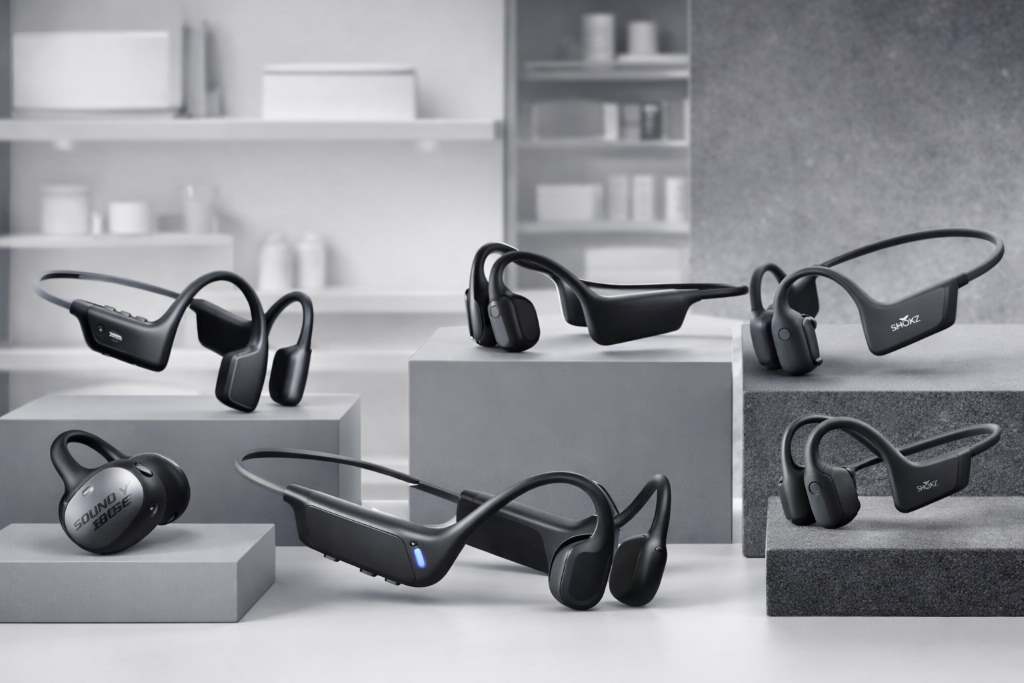
Best for running: Shokz OpenRun Pro
Bone-conduction headphones that sit in front of the ear canal rather than inside it. You hear traffic and training partners while your music plays, which is a genuine safety advantage outdoors. The wraparound titanium band does not shift during sprints, and the IP55 rating handles sweat and rain. Sound quality is thinner than in-ear models, and that is the trade-off you accept for awareness.
Best for sleeping: SleepPhones Soft Headband
A fabric headband with flat speakers sewn inside, designed to be worn against a pillow. Nothing presses into your ear canal when you roll onto your side. The washable cover keeps it hygienic, and the low-profile speakers stay put through the night. Volume is modest by design, which suits podcasts and quiet music rather than energetic playlists.
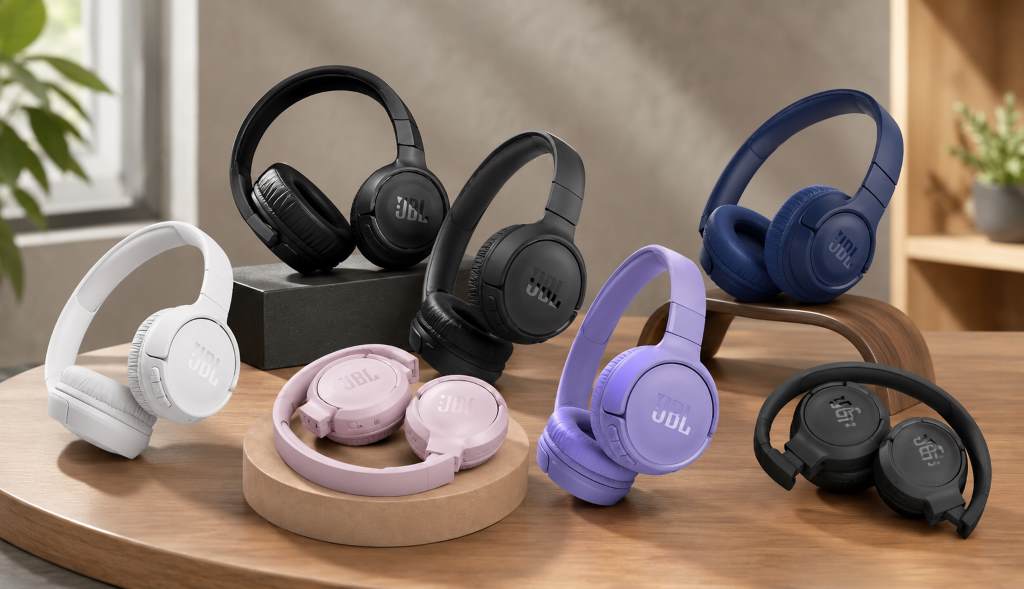
Best budget all-rounder: JBL Quantum 350 Wireless
Under $100, this headset covers PC and console gaming with a USB dongle and a flip-up mic. The ear cushions are light enough for long sessions, and the sound leans warm rather than harsh. It will not survive a rainy run or a full night on a pillow, but for gaming on a budget it is hard to beat.
Best sleep-and-run crossover: Anker Soundcore Sleep A20
Small enough to lie on, with a rubberized tip that muffles outside noise and a companion app that plays masking sounds. It also works for light jogs thanks to a snug fit, though it lacks a strong water rating for heavy sweat. Treat it as a sleeper first and a casual workout option second.
Best for mixed gaming and calls: Razer BlackShark V2 Pro
A lightweight esports-style headset with a detachable mic that sounds close to a standalone microphone. The clamping force is gentle, so it works for work calls and long play sessions alike. It is not built for movement, so keep it at the desk.
Comparison table
Comparison: top picks by use case, connection, and price band
The table below compares the five main picks on the factors that decide a purchase: primary use, connection type, water resistance, and rough price tier. Notice that the sleep and running picks deliberately sacrifice sound isolation.
| Model | Best for | Connection | Water rating | Price tier |
|---|---|---|---|---|
| SteelSeries Arctis Nova 7 | Gaming | 2.4 GHz dongle + Bluetooth | None | Mid |
| Razer BlackShark V2 Pro | Gaming and calls | 2.4 GHz dongle | None | Mid |
| JBL Quantum 350 Wireless | Budget gaming | USB dongle | None | Budget |
| Shokz OpenRun Pro | Running | Bluetooth | IP55 | Mid |
| SleepPhones Soft Headband | Sleeping | Bluetooth | Washable fabric | Budget |
Two patterns stand out. Gaming headsets rarely carry a water rating because they are built for a desk. Sleep and running picks skip active noise cancellation because sealing the ear canal conflicts with comfort or awareness. If you need one pair for everything, expect to compromise on at least one of these columns.
Individual reviews of the top picks
Each review weighs what the product does well against where it falls short, so you can match it to your routine.
SteelSeries Arctis Nova 7
The Nova 7 is the most flexible gaming pick here. You can pair the dongle with a PC or console and connect a phone over Bluetooth at the same time, so a call does not interrupt your game audio. Battery life runs long enough for multi-day use between charges.
Pros
- Simultaneous 2.4 GHz and Bluetooth audio
- Retractable mic that mutes when pushed back
- Comfortable ski-band headband for long sessions
Cons
- No water resistance, so it stays indoors
- Bulky for travel or a pillow
Shokz OpenRun Pro
The open-ear design is the reason to buy this pair. You keep full awareness of your surroundings, which matters on roads and trails. The band stays locked in during hill sprints and quick turns.
Pros
- Secure fit that survives fast movement
- IP55 rating for sweat and rain
- Situational awareness while running
Cons
- Bass is light compared with in-ear models
- Poor choice in loud environments or on a plane
Bone-conduction headphones keep you aware of traffic, but they do not block wind or engine noise. On very busy roads, keep volume low and stay alert.
SleepPhones Soft Headband
This is the pick for side sleepers. Flat speakers sit against the ear without entering the canal, so pillow pressure never becomes painful. The fabric cover is removable and washable, which matters for a product worn nightly.
Pros
- Comfortable for side and stomach sleepers
- Washable, replaceable fabric cover
- Low volume suits podcasts and white noise
Cons
- Modest sound quality for music
- Not suitable for workouts or gaming
JBL Quantum 350 Wireless and Razer BlackShark V2 Pro
The JBL is the value option. It handles PC and console gaming with a simple dongle and a flip-up mute mic, and the light cushions suit long sessions. The Razer costs more but adds a detachable mic that sounds close to a dedicated microphone, plus gentler clamping for work calls.
Pros
- JBL delivers reliable wireless gaming under $100
- Razer mic quality suits meetings and streaming
- Both stay comfortable for hours at a desk
Cons
- Neither handles sweat or sleep
- Razer’s premium price buys mic quality, not portability
Buying guide: how to choose
Match the design to your dominant activity first, then check the specs that support it. The rest is fine-tuning.
Start with fit and form factor
Fit decides comfort more than any spec sheet. Over-ear headsets distribute weight across the skull but trap heat. In-ear buds seal the canal and isolate sound, yet they can ache after an hour. Open-ear and bone-conduction designs sit outside the canal for awareness. Flat headband speakers are the only option for side sleepers. Try before you buy when you can, because ear shape varies widely.
Check latency for gaming
Latency is the delay between an action and the sound you hear. A 2.4 GHz dongle keeps this low enough to feel instant. Standard Bluetooth can drift out of sync, which hurts in fast shooters. If you game competitively, treat a dongle as mandatory and Bluetooth as a bonus.
Verify water resistance for running
Look for an IPX4 rating or higher for sweat and rain. Higher numbers mean more protection, but no earbud survives a swim. Secure-fit features such as ear hooks, wing tips, or a wraparound band matter as much as the rating, since a bud that falls out mid-run is useless.
Prioritize comfort and low volume for sleep
Sleep headphones should be thin, soft, and quiet. Avoid anything with a hard shell or a bright indicator light. A washable cover and a sleep timer in the companion app are practical extras. Keep volume low to protect your hearing over eight hours.
Set a realistic budget
Budget gaming headsets under $100 cover the basics well. Mid-range picks add better mics, dual connections, and lighter builds. Running and sleep headphones sit in the budget to mid-range because they use simpler drivers. Spending more buys comfort and connection reliability, not dramatically better sound.
A gaming headset will not survive a rainy run, and sleep earbuds lack the mic quality for team chat. Budget for two pairs if your routines span very different activities.
FAQ
Can one pair of headphones really work for gaming, running, and sleeping?
Rarely well. The designs conflict: gaming needs a mic and low latency, running needs water resistance and a secure fit, and sleeping needs a flat profile. A crossover pair like the Soundcore Sleep A20 covers sleep and light exercise, but no single model excels at all three.
Are open-ear headphones safe for running on roads?
They are safer than sealed earbuds because you still hear traffic and ambient sound. Keep the volume low enough to hear a car approaching, and stay alert at intersections. They offer awareness, not protection, so ride and run defensively.
How much should I spend on gaming headphones?
Plan on $80 to $150 for a solid wireless headset with a dongle and a decent mic. Budget models near $60 work for casual play. Above $200 you pay for premium materials and mic quality rather than a dramatic jump in competitive performance.
Can I sleep in regular earbuds?
You can, but side sleepers usually find it uncomfortable because the bud presses into the ear canal. Flat headband speakers or small sleep-specific buds avoid that pressure. If you try regular buds, choose the smallest tips and keep volume low.
Do I need noise cancellation for running?
Active noise cancellation works against you outdoors because it hides traffic. Choose open-ear or transparency modes for road running. Save noise cancellation for flights, trains, and noisy offices where awareness is not a safety issue.
Final verdict
The Best headphones for gaming, running, or sleeping? depends on where you spend the most hours, and the honest answer is usually two pairs. For gaming, choose the SteelSeries Arctis Nova 7 for its dual connectivity and clear mic. If you’re a runner, the Shokz OpenRun Pro wins on fit and situational awareness. For sleep, the SleepPhones Soft Headband is the comfortable, washable choice. If your budget allows only one purchase, start with the pair that matches your daily routine, then add the second later. Pick your dominant activity today and buy the matching model.