
Key Takeaways
- The Sennheiser HD 600 delivers audiophile-grade clarity through neodymium ferrous magnets and open-back dynamic drivers.
- A 300-ohm impedance scales with dedicated amplifiers for refined dynamics and fuller sound.
- Open-back construction creates a natural soundstage that reveals spatial detail in recordings.
- Plush ear pads and a lightweight build support fatigue-free listening across long sessions.
- A Kevlar-reinforced oxygen-free copper cable minimizes handling noise and extends durability.
Reference headphones earn trust by telling the truth. A mix that sounds perfect on colored consumer cans often falls apart on neutral monitors. Subtle reverb tails vanish, vocals shift forward, and bass lines that felt tight suddenly sound muddy. Those surprises mean your monitoring chain lied to you.
Most headphones flatter recordings instead of revealing them. Boosted lows hide sub-bass problems, while smoothed highs mask sibilance that pierces on proper speakers. The Sennheiser HD 600 wired headphones target this gap with an open-back design built for honest, neutral reproduction. Professionals have trusted this model for decades, and the reputation deserves a closer look.
Product at a Glance
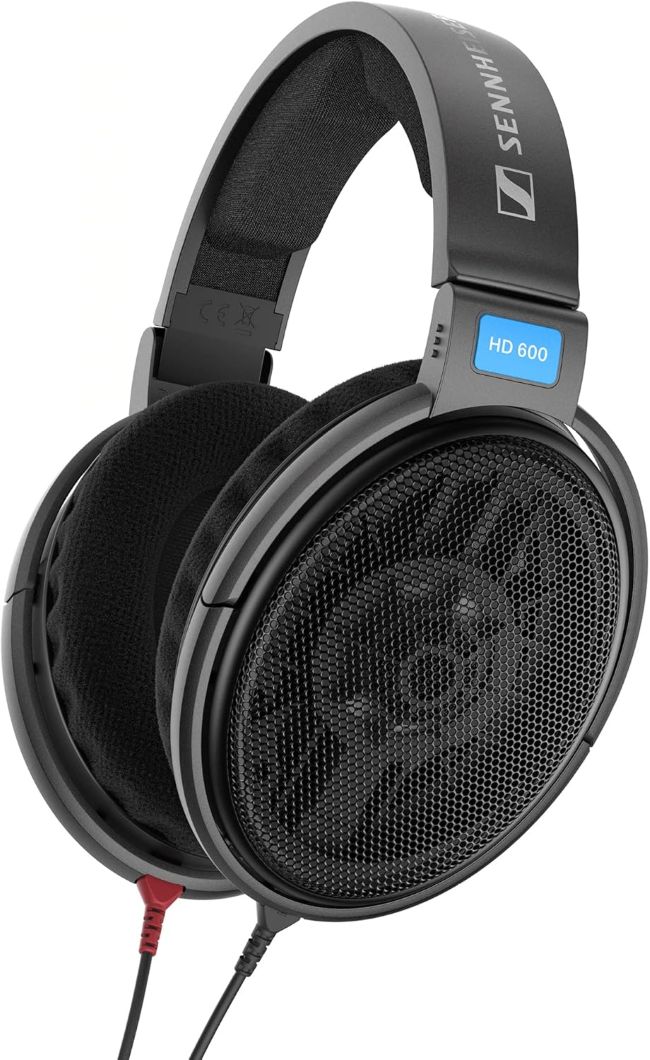
Sennheiser HD 600 Wired Headphones
| Feature | Details |
|---|---|
| Product Name | Sennheiser HD 600 Audiophile Open-Back Wired Headphones |
| Driver Type | Dynamic, neodymium ferrous magnets |
| Design | Open-back, over-ear |
| Impedance | 300 ohms |
| Cable | Detachable, Kevlar-reinforced OFC |
| Ear Pads | Plush, replaceable |
| Build | Open metal mesh earpiece covers |
| Color | Black and gray |
| Use Cases | Studio monitoring, hi-fi listening, recording |
| Compatibility | Sennheiser HD 500 BAM microphone (for gaming) |
Detailed Review
Why This Product Stands Out
The headphone market divides between models that entertain and models that inform. Entertaining headphones boost frequencies to impress casual listeners. Informing headphones reveal what actually exists in a recording. The HD 600 belongs firmly in the second camp.
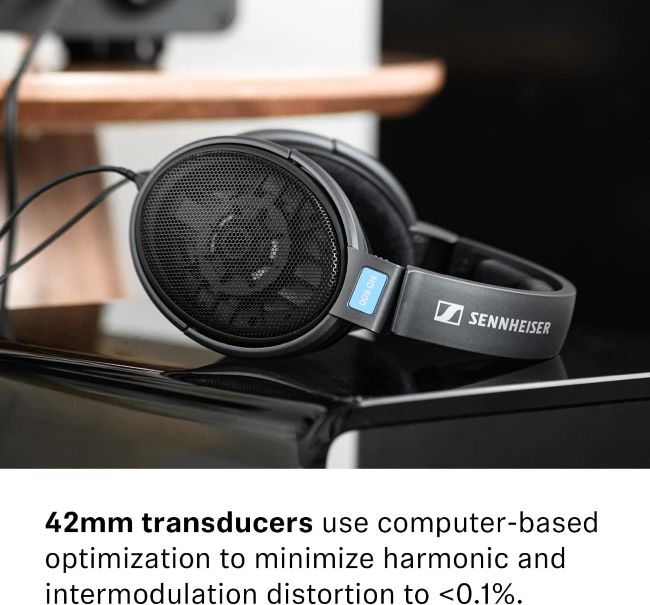
Open-back construction sets these headphones apart from closed-back studio cans. Open designs allow air to pass through the ear cups, which prevents pressure buildup inside the driver housing. That airflow creates a wider, more natural soundstage. Instruments place themselves in space rather than clustering inside your head. Spatial accuracy matters for mixing decisions where panning and reverb placement define the final sound.
Key Specifications
| Specification | Value |
|---|---|
| Driver Type | Dynamic |
| Magnet Type | Neodymium ferrous |
| Design | Open-back, over-ear |
| Impedance | 300 ohms |
| Cable | Detachable, Kevlar-reinforced OFC |
| Ear Pads | Plush, replaceable |
| Earpiece Covers | Open metal mesh |
| Color | Black and gray |
| Frequency Response | Natural, extended |
| Weight | Lightweight |
| Recommended Use | Studio monitoring, hi-fi, recording |
Design & Build Quality
Sennheiser built the HD 600 for long-term professional use. The black and gray finish carries a sophisticated look that resists visible wear. Open metal mesh earpiece covers protect the drivers while allowing airflow. That mesh design defines the open-back character that distinguishes these headphones from sealed studio monitors.
The lightweight build reduces the pressure that heavy headphones create during extended sessions. Weight matters because neck strain ends mixing marathons before the work is done. The HD 600 stays comfortable enough for hours of continuous critical listening.
Materials & Construction
Construction quality determines whether a pair of headphones lasts five years or five months. Sennheiser uses premium materials throughout the HD 600. The open metal mesh covers resist dents better than plastic alternatives. Plastic covers crack under travel abuse, while metal absorbs impacts that would shatter cheaper builds.
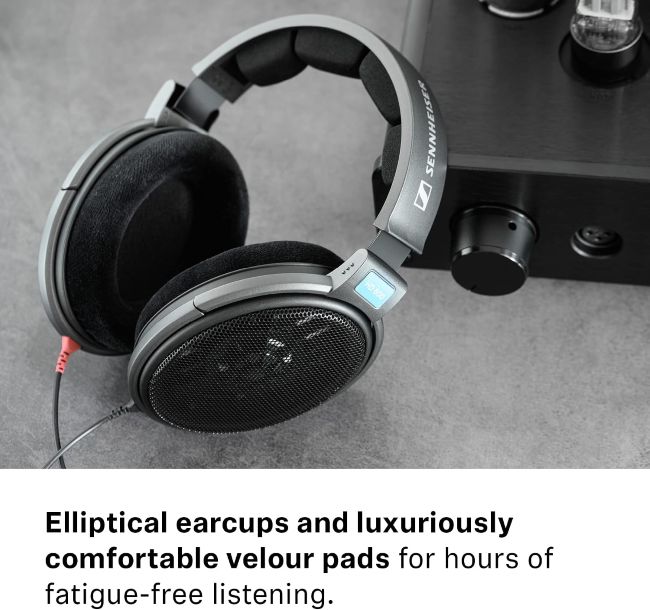
Plush ear pads form the contact surface between the headphones and your ears. Soft padding distributes pressure evenly rather than concentrating it on cartilage. That design prevents the soreness that forces you to remove headphones after an hour. The pads are replaceable, which extends the product lifespan since worn pads degrade both comfort and acoustic seal.
Performance
Sound performance defines any audiophile headphone. The HD 600 delivers precise, dynamic audio through neodymium ferrous magnets. These magnets produce stronger magnetic fields than standard ferrite types. Stronger fields give the driver tighter control over movement, which translates to accurate transients and cleaner detail retrieval.
The open-back design creates a soundstage that feels natural rather than confined. Instruments place themselves in distinct positions within the mix. Vocals sit forward without overwhelming the backing elements. Bass response stays accurate rather than boosted, which reveals low-frequency problems that consumer headphones hide. Treble remains smooth and extended without the harshness that causes ear fatigue.
Comfort / Usability
Long sessions separate reference headphones from shelf ornaments. Mixing an album can mean eight hours with headphones on your head. The HD 600 supports that workload with plush pads and a lightweight frame that distributes pressure evenly. Comfort determines whether you finish the session or quit early with a headache.
The detachable Kevlar-reinforced cable adds genuine usability value. Cables fail more often than drivers do. A detachable design lets you replace the wire without replacing the headphones. Kevlar reinforcement resists fraying and pulling damage that destroys standard cables within months. Oxygen-free copper construction minimizes handling noise that travels up the wire into your ears.
Features Explained
Open-Back Dynamic Design
Open-back construction allows air to pass through the ear cups. That airflow prevents pressure buildup and creates a natural soundstage. Why this matters is accuracy. Closed-back designs trap sound inside the cups, which creates artificial resonance that colors the mix. Open designs let the driver breathe, which produces a more honest representation of the recording.
Neodymium Ferrous Magnets
Neodymium ferrous magnets generate stronger magnetic fields than standard ferrite magnets. That strength gives the driver tighter control over movement. Tight control means the diaphragm stops and starts precisely with the audio signal. Precision prevents the smearing that destroys clarity in fast, complex passages.
300-Ohm Impedance
High impedance means the headphones require more power to reach listening volume. A phone or laptop jack will drive them, but not to their full potential. A dedicated headphone amplifier unlocks the dynamics and headroom that define the HD 600 experience. This impedance choice matters because it scales with better equipment rather than plateauing.
Detachable Kevlar-Reinforced Cable
The cable separates from the headphones for easy replacement. Kevlar reinforcement resists the fraying and pulling that destroy standard wires. Oxygen-free copper minimizes handling noise that transfers through the cable into your ears. This design matters because cables fail more often than drivers, and replaceability extends the lifespan of the entire product.
Plush Replaceable Ear Pads
Soft padding distributes pressure evenly around the ears instead of pinching cartilage. Replaceability means worn pads do not end the headphone’s usable life. Worn pads reduce both comfort and acoustic consistency. Fresh pads restore the original seal and sound signature without buying new headphones.
Open Metal Mesh Earpiece Covers
Metal mesh protects the drivers while allowing airflow. That protection matters because open-back drivers sit exposed to debris and impact. The metal construction resists dents and cracks that plastic covers develop over time. Durability here ensures the headphones survive years of daily use.
Lightweight Build
A light frame reduces neck strain during extended sessions. Weight matters more than most buyers realize. Heavy headphones cause fatigue that cuts sessions short and degrades the quality of your mixing decisions. The HD 600 stays comfortable enough for marathon listening.
HD 500 BAM Microphone Compatibility
Sennheiser designed the HD 600 to pair with the HD 500 BAM microphone for gaming. This compatibility matters for users who want audiophile sound quality for single-player games. The headphones deliver spatial detail that gaming headsets cannot match, while the add-on mic handles communication.
Real World Usage
Imagine an engineer mastering a jazz album in a treated control room. They wear the HD 600 for six hours straight. The open soundstage reveals the natural reverb of the recording space. Accurate bass response exposes a low-mid buildup in the upright bass that colored headphones masked. They fix it before the track reaches duplication.
Now picture an audiophile listening to a symphony recording at home. A dedicated amplifier drives the 300-ohm impedance to full dynamics. The open-back design places each instrument section in distinct space within the soundstage. Strings sit left, brass sits right, and the conductor’s perspective comes through clearly. No consumer headphone recreates that spatial accuracy.
Benefits
- Open-back design creates a natural, spacious soundstage.
- Neodymium ferrous magnets deliver precise, dynamic audio.
- 300-ohm impedance scales with dedicated amplifiers.
- Detachable Kevlar-reinforced cable extends product lifespan.
- Plush replaceable ear pads support long-session comfort.
- Lightweight build prevents neck fatigue.
- Neutral sound signature reveals mixing problems honestly.
- Metal mesh covers protect drivers while allowing airflow.
- HD 500 BAM compatibility adds gaming versatility.
- Decades of professional trust confirm the sound quality.
Limitations
- 300-ohm impedance requires a dedicated amplifier for full performance.
- Open-back design leaks sound and admits external noise.
- Not suitable for recording vocals near open microphones.
- Premium price exceeds casual listener budgets.
- No active noise cancellation for loud environments.
- No Bluetooth option for wireless convenience.
Who Should Buy It?
The HD 600 suits audio engineers, mastering professionals, and audiophiles who need neutral reference sound. Anyone mixing or mastering music will benefit from the honest frequency response. Classical and acoustic music lovers will appreciate the natural soundstage. If you already own a headphone amplifier, these headphones reward that investment with refined dynamics.
Who Should Avoid It?
Skip these headphones if you need isolation. The open-back design leaks sound and admits external noise, which rules out use in quiet libraries or loud cafes. Anyone without a dedicated amplifier will not hear the HD 600 at its full potential. Users seeking wireless convenience should also look elsewhere.
Key Features Table
| Feature | Benefit |
|---|---|
| Open-back dynamic design | Natural soundstage and honest reproduction |
| Neodymium ferrous magnets | Precise transients and detailed clarity |
| 300-ohm impedance | Scales with dedicated amplifiers |
| Detachable Kevlar-reinforced cable | Replaceable wire extends lifespan |
| OFC copper construction | Minimal handling noise |
| Plush replaceable ear pads | Long-session comfort and extended usability |
| Open metal mesh covers | Driver protection with airflow |
| Lightweight frame | Reduced neck fatigue |
| HD 500 BAM compatibility | Gaming versatility |
Pros & Cons
| Pros | Cons |
|---|---|
| Natural, spacious soundstage | Requires dedicated amplifier |
| Precise, neutral sound | Open-back design leaks sound |
| Detachable Kevlar-reinforced cable | No active noise cancellation |
| Plush replaceable ear pads | Not for vocal recording near mics |
| Lightweight and comfortable | Premium price |
| Decades of professional trust | No Bluetooth option |
| Durable metal mesh covers | Admits external noise |
| HD 500 BAM mic compatibility | Not for casual listening |
Cleaning Tips
Remove the ear pads before cleaning the headphones. Wipe the plush pads with a slightly damp cloth to remove oils and sweat that degrade the material over time. Avoid soaking the pads, since moisture damages the internal foam. Use a dry microfiber cloth on the metal mesh covers to remove dust and fingerprints. Keep the driver openings clear of debris by storing the headphones in a case when not in use.
Maintenance Tips
Replace the ear pads when the material flattens or cracks. Worn pads reduce both comfort and acoustic consistency, which affects your ability to mix accurately. Inspect the detachable cable connector for bending or corrosion before each session. Clean the contacts with a dry cloth to maintain signal quality. Store the headphones in a protective case during transport to prevent impact damage to the open mesh covers. Avoid stretching the headband beyond its normal range, since the tension is calibrated for seal and comfort.
Troubleshooting Tips
If sound feels quiet or thin, check your amplifier first. The 300-ohm impedance requires more power than phone or laptop jacks provide. A dedicated headphone amplifier solves most volume and dynamics issues. If one channel drops out, test the detachable cable. A faulty cable causes most single-channel failures. Swap to a spare cable to isolate the problem. If the soundstage feels narrow, check whether the ear pads have compressed and lost their seal. Replacing the pads usually restores full acoustic performance.
What Real Buyers Appreciate
Buyers consistently highlight the neutral sound signature as the defining strength. Many engineers describe mixing decisions that translated perfectly to other systems for the first time. Audiophiles praise the natural soundstage that places instruments in distinct space. The build quality earns frequent mention from users who have owned the same pair for over a decade. Some note that the 300-ohm impedance requires an amplifier, which adds cost. A few users mention the open-back design leaks sound, which limits use in shared spaces. Overall sentiment centers on decades of reliability and sound quality that justifies the premium price.
Frequently Asked Questions
Are the Sennheiser HD 600 headphones wireless?
No. The HD 600 is a wired-only model designed for audiophile fidelity. Wireless options introduce latency and compression that interfere with critical listening.
Do these headphones require a headphone amplifier?
Yes, for full performance. The 300-ohm impedance needs more power than phones and laptops provide. A dedicated amplifier unlocks the dynamics and headroom that define the HD 600 experience.
Can I use the HD 600 for recording vocals?
Not near an open microphone. The open-back design leaks sound, which bleeds into the mic and ruins takes. Closed-back headphones suit vocal tracking better.
Are the ear pads replaceable?
Yes. Sennheiser sells replacement ear pads, and third-party options are also available. Replacing worn pads restores both comfort and acoustic consistency.
How does the open-back design affect isolation?
Open-back headphones do not isolate sound. They leak audio outward and admit external noise inward. This design creates a natural soundstage but rules out use in noisy or quiet shared environments.
Can I use these headphones for gaming?
Yes. The HD 600 pairs with the Sennheiser HD 500 BAM microphone for gaming sessions. The open soundstage delivers spatial detail that gaming headsets cannot match.
Are these headphones suitable for professional mastering?
Yes. The neutral frequency response makes the HD 600 a trusted reference for mastering engineers. Many professionals use these headphones specifically because they reveal problems that colored headphones hide.
How does the HD 600 compare to the HD 650?
The HD 600 offers a more neutral, reference sound. The HD 650 leans slightly warmer with a touch more bass. Both suit professional use, but the HD 600 remains the preferred choice for pure accuracy.
Final Verdict
The Sennheiser HD 600 earns its place through decades of trusted performance. If you’re comparing Best Over-Ear DJ Headphones, the HD 600 is worth considering for its detailed sound and durable, serviceable construction. The open-back design, neodymium ferrous magnets, and 300-ohm impedance combine to produce sound that reveals every detail of a recording. The detachable Kevlar-reinforced cable and replaceable ear pads extend the product lifespan far beyond disposable consumer headphones.
The limitations are honest. High impedance requires an amplifier, and the open-back design prevents use in noisy or shared environments. For anyone who needs neutral reference sound and already owns proper amplification, these trade-offs feel reasonable. The HD 600 delivers value through accuracy that stands the test of time.
Call To Action
If your studio, hi-fi setup, or listening chain needs neutral reference sound you can trust, the Sennheiser HD 600 is a proven investment. Check current pricing and availability today, and stop second-guessing what your recordings actually sound like.