


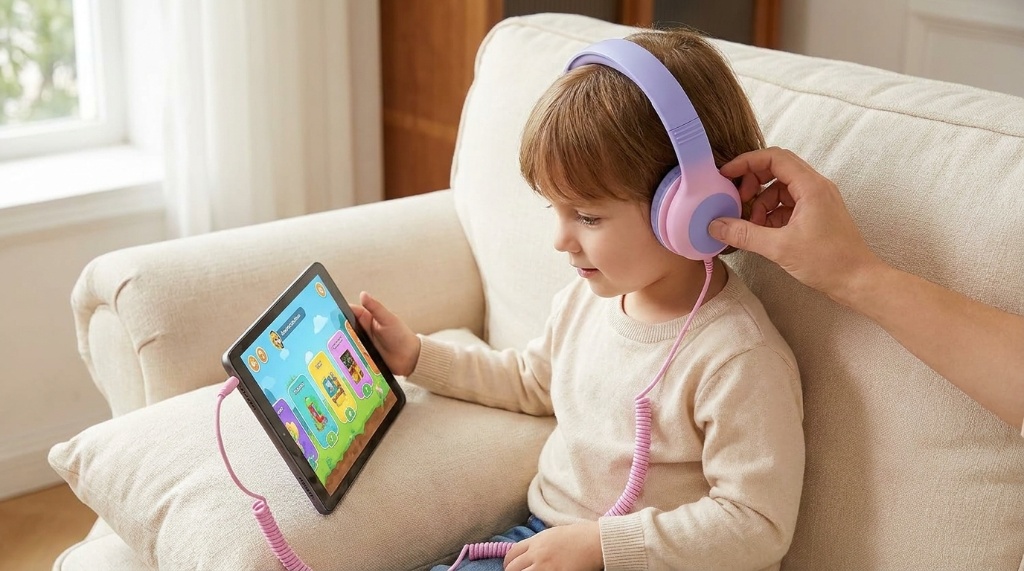
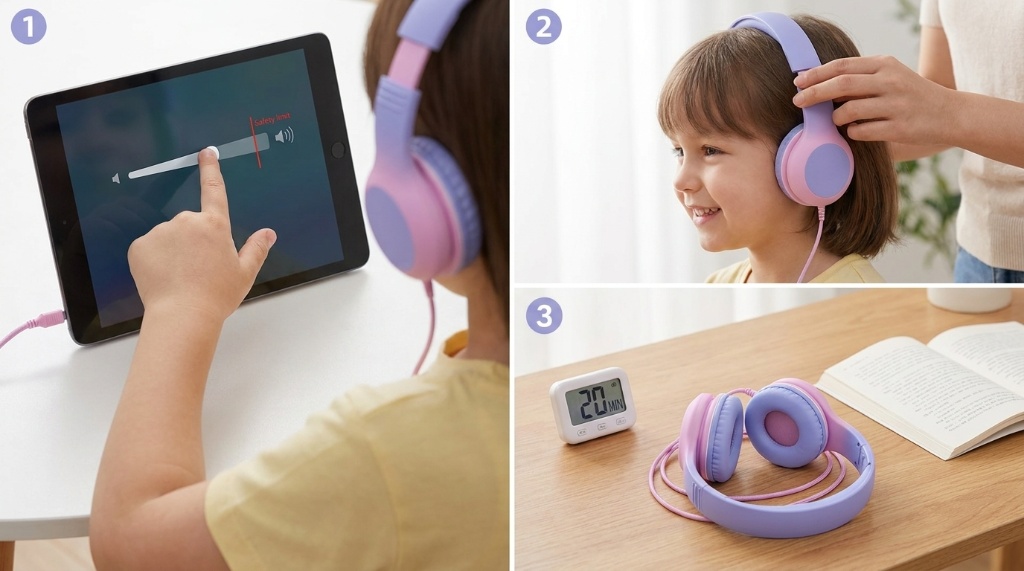
Handing a child a pair of headphones without setting a volume limit is a common mistake. This single oversight can lead to gradual hearing damage. Using Adoope Kids Headphones safely starts with three actions: set the volume limit, ensure a proper fit, and enforce listening breaks. Understanding the specific features of your Adoope Kids Headphones helps you apply these steps correctly. Therefore, you can protect your child’s hearing while they enjoy music, audiobooks, or school lessons. This guide provides practical, specific safety rules for daily use.
To use Adoope Kids Headphones safely, set the volume limiter to 85 decibels or lower. Keep listening sessions under 60 minutes, followed by a break of at least 60 minutes. Ensure a snug but comfortable fit so your child does not need to raise the volume. Always supervise young children and check the volume yourself before handing over the headphones.
Key Takeaways
- Set the volume limit to 85 dB or lower before your child starts listening.
- Follow the 60/60 rule: 60 minutes of use, then a 60-minute break.
- Adjust the headband and ear cups for a secure, comfortable fit.
- Clean the ear pads regularly to prevent hygiene issues.
- Never let children use headphones while charging or near water.
- Check the volume yourself before handing the headphones to a child.
Why Volume Control Is the Most Important Safety Step
Volume control is the single most effective way to prevent hearing damage. Children have more sensitive ears than adults. Therefore, a volume level that seems fine to you may be harmful to them. The standard safe limit for kids is 85 decibels, which is roughly the loudness of city traffic. Many Adoope Kids Headphones include a built-in volume limiter. However, you should always verify the limit is active. For example, check the manual or the headphone settings on your device. If your model lacks a limiter, use parental controls on the phone or tablet. Consequently, you can cap the maximum output.
How to Set the Volume Limit
First, connect the headphones to your child’s device. Then, open the sound settings or the companion app if available. Look for a “volume limit” or “hearing safety” option. Set it to 85 dB or the lowest comfortable level. After that, play a test sound and ask your child if it is loud enough. If they say no, do not increase the limit. Instead, check the fit or move to a quieter room. Finally, lock the setting with a password if possible. This prevents your child from overriding it later.
How to Get the Right Fit for Comfort and Safety
A proper fit is critical for both comfort and safety. Poorly fitting headphones leak sound. As a result, your child may turn up the volume to compensate. For Adoope Kids Headphones, adjust the headband so it rests gently on the top of the head. The ear cups should fully cover the ears without pressing too hard. Moreover, the ear pads should create a soft seal. If the fit is too loose, the bass disappears and your child may increase the volume. If it is too tight, they may experience pain and remove the headphones. Therefore, spend a few minutes adjusting the fit each time.
Over-Ear vs. On-Ear for Kids
Most Adoope Kids Headphones are over-ear models. Over-ear headphones surround the ear and provide better sound isolation. This design helps keep the volume lower. On-ear models press against the ear and can be less comfortable for long use. For young children, over-ear is generally the safer choice. However, no matter the style, the fit must be correct. Check for redness or pressure marks after 30 minutes of use. If you see any, readjust the headband or consider different ear pads.
Safe Listening Habits to Teach Your Child
Safe hardware settings only work if your child follows safe habits. Teach the 60/60 rule from the start. This means 60 minutes of listening, then a 60-minute break. During the break, the ears recover from continuous sound exposure. In addition, explain why they should never use headphones at maximum volume. For example, tell them that loud sounds can make their ears ring or feel full. If they experience ringing, they must stop using headphones immediately and rest their ears. Furthermore, model these habits yourself. Children learn by watching adults.
When to Avoid Headphones Entirely
Some situations call for no headphones at all. Never let your child use Adoope Kids Headphones while crossing the street or riding a bike. They need to hear traffic and warnings. Similarly, avoid headphones during swimming or near water. Water damage can ruin the electronics and create a shock hazard. Also, do not use headphones while charging. This practice risks overheating and battery issues. Finally, if your child has an ear infection or cold, skip headphones until they recover. Sharing headphones during illness spreads germs.
Maintenance and Cleaning for Long-Term Safety
Dirty headphones can cause skin irritation or ear infections. Therefore, clean Adoope Kids Headphones regularly. First, unplug them and remove the ear pads if possible. Then, wipe the pads with a mild soap and water solution. Do not soak them. After that, dry the pads completely before reattaching. Use a soft cloth to clean the headband and hinges. In addition, check the cable for damage. Frayed wires can cause volume fluctuations or short circuits. If you see exposed wires, replace the headphones immediately. Proper storage also matters. Keep them in a case or on a hook when not in use.
Common Mistakes That Compromise Safety
Many parents unintentionally make mistakes that reduce safety. One common error is letting the child control the volume without a limit. Another is ignoring complaints of discomfort. If your child says the headphones hurt, the fit is wrong or the volume is too high. A third mistake is using headphones in noisy places like a bus or car. The background noise forces your child to raise the volume. Instead, use noise-cancelling headphones or wait for a quieter environment. Finally, do not assume the volume limiter is always on. Check it every time you hand over the headphones.
Signs of Hearing Damage to Watch For
Watch for warning signs after headphone use. Your child may say their ears feel full or they hear a ringing sound. They might also have trouble understanding speech in a noisy room. If any of these occur, stop headphone use for a few days. If symptoms persist, see a doctor or audiologist. Never ignore these signs. Early detection can prevent permanent hearing loss.
Troubleshooting Safety-Related Issues
Sometimes safety features do not work as expected. If the volume limit resets, check the device settings or update the firmware. If the headphones will not hold a charge, stop using them while charging. A damaged battery can overheat. If the fit keeps loosening, the headband may be worn out. In that case, contact the manufacturer or replace the headphones. For connectivity issues, unpair and re-pair the Bluetooth device. Always read the Adoope Kids Headphones manual for specific troubleshooting steps. When in doubt, contact customer support.
Frequently Asked Questions
What volume level is safe for kids?
The safe volume limit for children is 85 decibels or lower, which is about the level of a normal conversation or city traffic.
How long can my child use Adoope Kids Headphones?
Follow the 60/60 rule: 60 minutes of use followed by a 60-minute break to let the ears recover.
Can my child use Adoope Kids Headphones while charging?
No, using headphones while charging risks overheating and electrical hazards, so always unplug before use.
How do I clean Adoope Kids Headphones?
Wipe the ear pads with a mild soap and water solution, then dry them completely before reattaching.
What should I do if my child says the headphones are too loud?
Immediately lower the volume or turn off the headphones, then check the volume limit setting and the fit.
Conclusion
Using Adoope Kids Headphones safely comes down to three consistent habits: limit the volume, ensure a proper fit, and enforce listening breaks. These steps protect your child’s hearing without reducing their enjoyment. Start by checking the volume limiter today. Then, adjust the headband for a comfortable seal. Finally, set a timer for 60 minutes and teach your child to take breaks. Review these rules together and make them part of your daily routine. Your child’s ears will thank you for years to come.