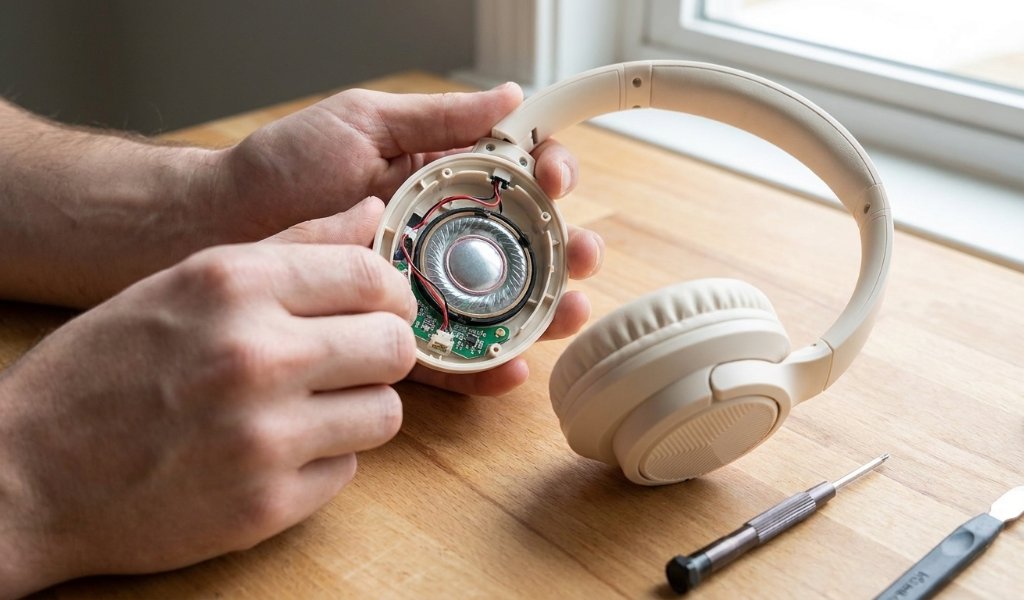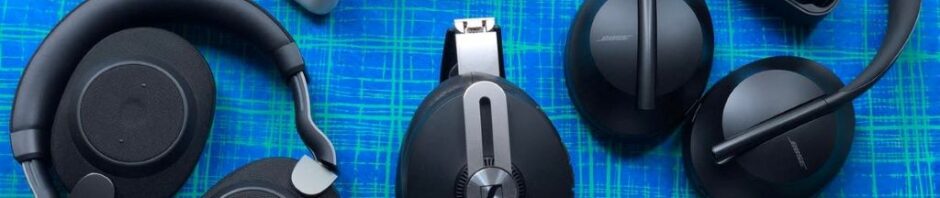







Modern headphones contain sophisticated technology that extends beyond simple audio playback. Understanding the hyperlogic behind these devices unlocks solutions for various everyday tech challenges. This systematic approach to headphone features helps users maximize their investment while solving common connectivity, audio quality, and productivity problems.
Hyperlogic refers to the advanced reasoning and systematic problem-solving embedded in modern gadget design. Headphones now incorporate artificial intelligence, adaptive algorithms, and smart connectivity that can address multiple technical issues simultaneously.
Understanding Hyperlogic in Modern Headphone Technology
Today’s headphones function as miniature computers with processing power rivaling smartphones from just years ago. Active noise cancellation uses advanced algorithms analyzing environmental sounds thousands of times per second. These same computational principles apply to broader tech problem-solving scenarios.
Bluetooth connectivity protocols in headphones demonstrate hyperlogic through automatic device switching and multipoint pairing. This technology teaches valuable lessons about managing multiple device connections efficiently. Additionally, the error-correction algorithms ensuring stable wireless connections mirror solutions for other connectivity challenges.
Modern headphones incorporate machine learning that adapts to user preferences over time. This adaptive intelligence provides a framework for approaching personalized tech solutions. Therefore, understanding these mechanisms helps users think systematically about customizing their entire tech ecosystem.
Solving Connectivity Problems Using Headphone Pairing Logic
Headphone pairing protocols offer templates for resolving various Bluetooth connectivity issues. The systematic approach headphones use for discovering and connecting to devices applies to smart home gadgets, fitness trackers, and computer peripherals.
When headphones enter pairing mode, they broadcast availability while simultaneously scanning for compatible devices. This dual-action approach solves the common problem of one-way connection attempts. Moreover, applying this logic to other devices means ensuring both gadgets actively seek connections simultaneously.
Multipoint connectivity in premium headphones demonstrates advanced device management. These headphones maintain connections with multiple devices, switching audio sources intelligently based on activity. Therefore, users can apply this concept to managing smartphone, tablet, and computer connections without constantly re-pairing devices.
Troubleshooting failed headphone connections reveals systematic diagnostic steps applicable to any tech problem. Reset procedures, firmware updates, and clearing paired device lists create a reproducible problem-solving framework. Additionally, these steps translate directly to resolving issues with wireless speakers, keyboards, and other peripherals.
Leveraging Active Noise Cancellation Principles for Focus
Active noise cancellation technology uses phase inversion to eliminate unwanted sounds. This principle of canceling distractions applies metaphorically to managing digital interruptions. Understanding how ANC prioritizes important audio while blocking background noise helps users structure their digital environments similarly.
Transparency mode in modern headphones selectively allows certain sounds through while blocking others. This intelligent filtering demonstrates how to balance awareness with focus. Consequently, users can configure notification settings, app permissions, and do-not-disturb modes using similar selective filtering logic.
Adaptive noise cancellation adjusts intensity based on environmental conditions. This dynamic response model applies to managing tech settings across different contexts. For instance, automatically adjusting screen brightness, volume levels, and connectivity based on location mirrors this adaptive approach.
The computational power required for real-time noise cancellation illustrates efficient audio processing. These same efficiency principles help optimize computer performance by identifying and eliminating background processes consuming resources unnecessarily. Therefore, thinking like noise-canceling headphones means actively identifying and neutralizing digital distractions.
Applying Audio Codec Logic to Data Transfer Problems
Headphones use various audio codecs like aptX, LDAC, and AAC to balance quality with bandwidth limitations. This compression logic directly applies to managing file transfers, cloud storage, and streaming quality across devices.
Codec selection in headphones automatically adapts to connection quality and device capabilities. Similarly, users can configure cloud services and file-sharing platforms to automatically adjust quality based on available bandwidth. Additionally, understanding this adaptive quality principle prevents frustration when transferring large files over limited connections.
Latency reduction techniques in gaming headphones demonstrate priority-based data transmission. These headphones minimize delay between action and audio feedback. Consequently, applying this prioritization logic to network settings improves video conferencing, online gaming, and real-time collaboration tool performance.
According to The Verge, understanding audio codecs helps users make informed decisions about wireless audio quality and compatibility across their device ecosystem.
Using Battery Management Features to Extend Device Longevity
Modern headphones incorporate intelligent battery management systems worth emulating across all portable devices. Automatic power-off features conserve energy when headphones detect inactivity. This logic applies to smartphones, tablets, and laptops through customized sleep settings.
Quick charge technology in premium headphones delivers hours of playback from minutes of charging. Understanding fast-charging principles helps users strategically charge devices during short breaks rather than overnight. Moreover, this approach reduces battery degradation from constant full-charge cycles.
Battery level notifications and low-power modes in headphones demonstrate proactive power management. Implementing similar notification systems for all devices prevents unexpected shutdowns during critical tasks. Additionally, activating power-saving modes before batteries reach critical levels extends usable time significantly.
Some headphones feature wired backup options when batteries deplete. This redundancy principle teaches the importance of maintaining alternative solutions for critical tech needs. Therefore, keeping charging cables, power banks, and backup devices accessible prevents productivity disruptions.

Implementing Voice Assistant Integration Across Devices
Headphone integration with Siri, Google Assistant, and Alexa demonstrates seamless voice control implementation. This hands-free interaction model extends to controlling smart home devices, managing calendars, and sending messages without touching phones.
Wake word detection in headphones uses always-listening technology with minimal battery impact. Understanding this efficient monitoring helps users configure voice assistants across multiple devices without excessive power consumption. Additionally, customizing wake words prevents accidental activations across device ecosystems.
Context-aware voice commands in headphones interpret requests based on current activity. For example, requesting “next” during music playback versus podcast listening yields different results. Consequently, training voice assistants with specific phrases for different contexts improves accuracy and reduces frustration.
Voice assistant shortcuts programmed through headphone buttons demonstrate automation potential. Creating similar custom shortcuts for frequently performed tasks across smartphones and computers saves time and reduces repetitive actions. Therefore, mapping complex actions to simple voice commands or button presses streamlines daily workflows.
Optimizing Spatial Audio and Sound Profiles for Clarity
Spatial audio technology in headphones creates three-dimensional soundscapes from stereo sources. This enhancement principle applies to optimizing visual displays, notification systems, and information presentation across devices. Understanding spatial positioning improves interface design and information hierarchy.
Equalizer profiles in headphones demonstrate personalized optimization. Users can similarly customize display settings, keyboard shortcuts, and app layouts to match individual preferences and use cases. Moreover, saving multiple profiles for different scenarios enables quick switching between work, entertainment, and communication modes.
Hearing test features in some headphones create personalized sound profiles based on individual hearing capabilities. This adaptive customization model applies to accessibility settings across all devices. Additionally, taking time to configure accessibility features improves usability regardless of specific physical needs.
According to CNET, spatial audio technology represents a significant advancement in immersive sound that changes how users experience content across devices.
Troubleshooting Using Firmware Update Principles
Headphone firmware updates demonstrate systematic software maintenance applicable to all devices. Regular updates patch security vulnerabilities, improve performance, and add features. Therefore, establishing routine update schedules for all tech devices prevents compatibility issues and security risks.
The headphone app ecosystem shows how companion software enhances hardware capabilities. Installing manufacturer apps for other devices unlocks advanced features often hidden in standard settings menus. Additionally, these apps frequently provide diagnostic tools and troubleshooting guides unavailable through device settings alone.
Rollback options in some headphone firmware updates illustrate the importance of backup strategies. Before major updates, creating system backups or restore points prevents catastrophic data loss. Moreover, understanding how to reverse problematic updates reduces fear of necessary software maintenance.
Automatic update settings in headphones balance convenience with control. Applying similar automatic update policies to critical security software while maintaining manual control over major system updates creates optimal security without unexpected disruptions. Consequently, users stay protected while avoiding compatibility surprises.
Managing Multiple Device Ecosystems Efficiently
Headphones switching between Apple, Android, and Windows devices teach cross-platform compatibility strategies. Identifying universal standards like Bluetooth, USB-C, and cloud services enables seamless device integration regardless of manufacturer ecosystems.
Profile syncing in premium headphones demonstrates cloud-based settings management. Implementing similar cloud synchronization for browser settings, app preferences, and document access ensures consistent experiences across multiple devices. Additionally, cloud backups protect against device loss or failure.
Device priority settings in multipoint headphones show intelligent resource allocation. Similarly, designating primary devices for specific tasks prevents conflicts when multiple gadgets compete for attention. Therefore, routing work notifications to computers while keeping personal alerts on phones maintains productivity boundaries.
Companion app features enabling remote control demonstrate potential for centralized device management. Using smartphones as universal remotes for smart TVs, streaming devices, and computer playback consolidates control and reduces complexity. Moreover, unified control reduces the number of physical remotes and controllers needed.
Creating Systematic Problem-Solving Workflows
Headphone troubleshooting guides provide templates for diagnostic thinking applicable to any tech issue. Starting with simple solutions like rebooting before progressing to complex fixes prevents wasted time on unnecessary procedures. Additionally, documenting successful solutions creates personal knowledge bases for future reference.
The process of isolating variables when diagnosing headphone problems applies universally. Testing different devices, connection methods, and environments identifies root causes efficiently. Consequently, systematic elimination of variables prevents false conclusions and misdirected troubleshooting efforts.
Understanding when to seek manufacturer support versus community forums mirrors knowing when tech problems require professional help. Simple connectivity issues often have community-documented solutions, while hardware defects need official support. Therefore, researching problems efficiently saves time while avoiding voided warranties from inappropriate DIY repairs.
Conclusion
Applying hyperlogic principles from modern headphone technology transforms everyday tech problem-solving approaches. Understanding connectivity protocols, adaptive algorithms, battery management, and systematic troubleshooting creates transferable skills applicable across all devices. Moreover, the intelligent features in premium headphones demonstrate advanced concepts like noise cancellation, spatial audio, and multipoint connectivity that inform broader tech optimization strategies. Therefore, users who understand the logic behind their headphones gain frameworks for managing entire digital ecosystems more efficiently. This systematic approach reduces frustration, improves productivity, and maximizes the value of all tech investments through informed, logical problem-solving methods.
Frequently Asked Questions
How does understanding headphone technology help solve other tech problems?
Headphone technology demonstrates universal principles like Bluetooth pairing protocols, battery management, firmware updates, and adaptive algorithms. These same concepts apply to smartphones, computers, smart home devices, and other gadgets, creating transferable troubleshooting frameworks applicable across your entire tech ecosystem.
What is hyperlogic in the context of gadget problem-solving?
Hyperlogic refers to the advanced reasoning and systematic problem-solving embedded in modern device design. It includes adaptive algorithms, intelligent switching, prioritization systems, and automated optimization that devices use to function efficiently. Understanding this logic helps users think systematically about tech challenges.
Can noise cancellation principles actually improve digital productivity?
Yes, the selective filtering used in active noise cancellation provides a model for managing digital distractions. Just as ANC blocks unwanted sounds while preserving important audio, users can configure notifications, app permissions, and focus modes to eliminate digital noise while maintaining essential connectivity.
Should I update headphone firmware and other device software regularly?
Regular firmware updates are essential for security, performance, and compatibility. Headphones and other devices receive patches fixing vulnerabilities and bugs while adding features. However, research major updates before installing and maintain backups to ensure you can reverse problematic changes if necessary.
How can multipoint connectivity in headphones improve my device management?
Multipoint connectivity demonstrates intelligent device switching and priority management. Applying this principle to your device ecosystem means maintaining simultaneous connections while routing specific tasks to appropriate devices. This reduces constant re-pairing and creates seamless transitions between work, entertainment, and communication activities.
Related Topics:
How to Use & Maintain Headphones Like a Pro
How to Stop Headphone Pads from Peeling: A Practical Guide