
Protecting your child’s hearing is a top priority for every parent. Studies show that over 1 billion young people worldwide risk hearing loss due to unsafe listening practices. Choosing the right noise cancelling headphones for kids can make a big difference in safeguarding their auditory health while ensuring comfort and durability.
Noise cancelling headphones for kids are designed to reduce ambient noise without the need for high volume levels. This feature helps children focus on their tasks or enjoy their favorite content at safer sound levels. Parents must prioritize models that limit volume to 85 decibels or lower to prevent long term damage.
Comfort is another key factor when selecting headphones for young users. Lightweight designs with adjustable headbands and soft ear cushions ensure that kids can wear them for extended periods without discomfort. Durability is equally important as children can be rough with their belongings.
This guide will help you navigate the essential features to look for in noise cancelling headphones for kids. From volume limiting technology to wireless connectivity we will cover everything you need to know to make an informed decision for your child.
Why Noise Cancelling Headphones Are Important for Kids
Noise cancelling headphones help create a quieter environment for children. This is especially useful in noisy settings like airplanes or busy classrooms. By reducing background noise these headphones allow kids to listen at lower volumes.
Exposure to loud sounds can lead to permanent hearing damage over time. Children are particularly vulnerable because their ear canals are smaller and more sensitive. Noise cancelling technology helps mitigate this risk by blocking out external noise.
These headphones also improve focus and concentration for children. Whether they are studying or enjoying entertainment a quieter environment helps them stay engaged. This can be particularly beneficial for kids with attention difficulties.
Parents should look for headphones that are specifically designed for children. Adult models may not fit properly and could pose safety risks. Kids headphones often come with additional safety features like volume limiters and durable materials.

Key Features to Look for in Kids Noise Cancelling Headphones
Volume Limiting Technology
Volume limiting is the most important safety feature for kids headphones. The World Health Organization recommends a maximum volume of 85 decibels for children. Many kids headphones come with built in limiters that cap the volume at safe levels.
Some models allow parents to set custom volume limits through a companion app. This gives additional control over the listening experience. Always check the product specifications to ensure the volume limiter meets safety standards.
It is also important to educate children about safe listening habits. Encourage them to take regular breaks and avoid turning the volume up to maximum. Combining technology with awareness ensures long term hearing protection.
Look for headphones that have been tested and certified by reputable organizations. Certifications like the American National Standards Institute ANSI S3.19 can provide peace of mind. These standards ensure that the headphones meet strict safety requirements.
Comfort and Fit
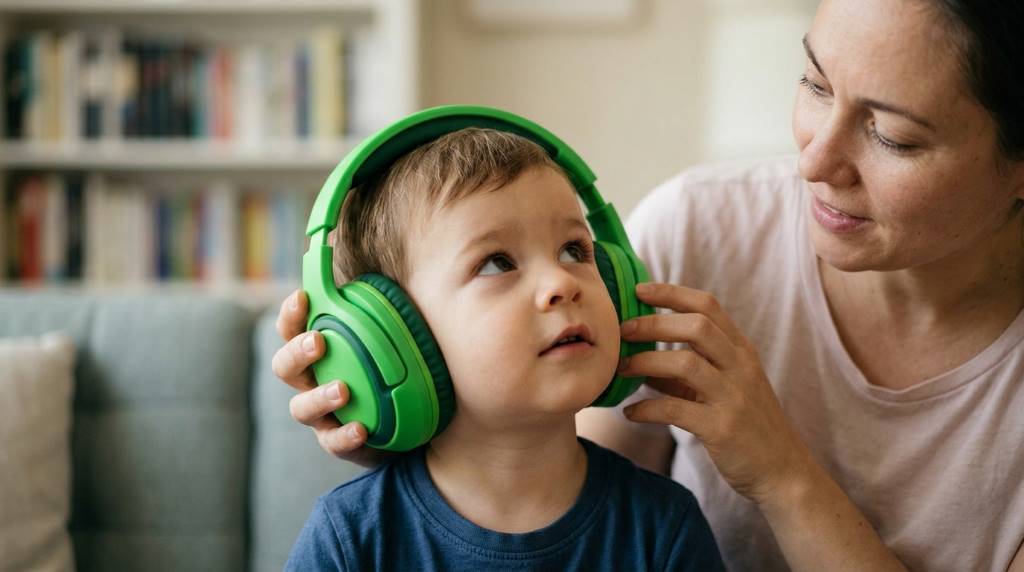
Comfort is crucial for children who may wear headphones for extended periods. Look for models with adjustable headbands and cushioned ear cups. Lightweight materials reduce strain on the head and ears.
Over ear headphones are generally more comfortable for kids than on ear or in ear models. They distribute weight evenly and provide better noise isolation. Ensure the ear cups are soft and breathable to prevent discomfort during long use.
Some headphones come with multiple size options for the ear cups and headbands. This allows for a better fit as your child grows. A snug fit also helps improve noise cancellation effectiveness.
Let your child try on the headphones before purchasing if possible. This ensures they are comfortable and fit properly. Comfortable headphones are more likely to be used correctly and consistently.
Durability and Build Quality
Kids can be tough on their belongings so durability is a must. Look for headphones made from strong materials like reinforced plastic or metal. Hinges and adjustable parts should be sturdy and well constructed.
Some models come with foldable designs for easy storage and portability. This feature also helps protect the headphones when not in use. Check for models with tangle free cords or wireless connectivity to reduce wear and tear.
Water and sweat resistance can be beneficial for active children. These features help protect the headphones from damage due to spills or physical activity. Look for models with at least an IPX4 rating for water resistance.
Consider headphones that come with a warranty or guarantee. This provides added protection against manufacturing defects and accidental damage. A good warranty can save you money in the long run.
Battery Life and Connectivity
Wireless headphones offer greater freedom of movement for kids. Look for models with long battery life to ensure they last through the day. A battery life of at least 10 hours is ideal for most children.
Bluetooth connectivity is a common feature in wireless headphones. Ensure the model you choose has a stable connection and is compatible with your child’s devices. Some headphones also support wired connections for added versatility.
Fast charging capabilities can be a lifesaver for busy families. Look for headphones that can charge quickly and provide several hours of use from a short charging session. This feature is especially useful for travel or school use.
Consider headphones with a built in microphone for hands free calling or voice commands. This can be useful for online learning or video calls. Ensure the microphone provides clear sound quality for effective communication.
Noise Cancellation Technology
Active noise cancellation ANC uses microphones and speakers to cancel out external noise. This technology is highly effective but may be more expensive. Passive noise isolation relies on the physical design of the headphones to block out noise.
ANC headphones are ideal for environments with consistent low frequency noise like airplanes or trains. Passive noise isolation works well for general use and is often more affordable. Consider your child’s specific needs when choosing between these options.
Some headphones offer adjustable noise cancellation levels. This allows your child to customize their listening experience based on their environment. Look for models with easy to use controls for adjusting noise cancellation settings.
Be aware that ANC can sometimes create a slight hissing sound. This is normal and usually not harmful. However some children may find it distracting. Test the headphones to ensure your child is comfortable with the noise cancellation effect.
Unique Considerations for Kids Headphones
Customizable Designs
Many kids headphones come in a variety of colors and designs. Allowing your child to choose their favorite can make them more excited to use them. Some models even offer customizable faceplates or stickers.
Personalized headphones can also help prevent loss or theft. Unique designs make it easier for your child to identify their headphones. Some models come with name tags or engraving options for added personalization.
Consider headphones with LED lights or other fun features. These can make the headphones more appealing to kids. However ensure that these features do not distract from the primary purpose of safe listening.
Involve your child in the selection process to ensure they are happy with their new headphones. This can also be a good opportunity to teach them about responsible use and care for their belongings.
Parental Controls and Monitoring
Some advanced models offer parental controls through a companion app. These apps allow parents to monitor usage set volume limits and even track the location of the headphones. This can provide added peace of mind for parents.
Usage tracking features can help parents ensure their child is not overusing the headphones. Some apps provide reports on listening time and volume levels. This information can help parents promote healthy listening habits.
Geofencing capabilities can alert parents if the headphones leave a designated area. This feature can be useful for keeping track of the headphones and ensuring they are not lost or stolen. Check for models with reliable and user friendly companion apps.
Parental controls can also include content filtering options. This allows parents to block inappropriate content and ensure their child is only exposed to age appropriate material. Consider these features when choosing headphones for younger children.
Educational Value
Some headphones come with educational features like language learning apps or audiobooks. These can provide added value and make the headphones more than just a listening device. Look for models that offer educational content tailored to your child’s age and interests.
Interactive features like quizzes or games can make learning more engaging. Some headphones come with built in educational content or partnerships with educational platforms. These features can turn screen time into learning time.
Consider headphones that support multi device connectivity. This allows your child to switch between devices like tablets and smartphones seamlessly. This feature can be useful for both entertainment and educational purposes.
Encourage your child to use their headphones for educational content as well as entertainment. This can help balance their screen time and promote lifelong learning. Look for models that support a wide range of educational apps and platforms.
Safety Tips for Using Noise Cancelling Headphones
Always supervise young children when they are using headphones. Ensure they are using them correctly and at safe volume levels. Regularly check the headphones for any signs of damage or wear.
Encourage your child to take regular breaks from using headphones. The 60 60 rule is a good guideline follow it. This means listening at 60 of the maximum volume for no more than 60 minutes at a time.
Educate your child about the importance of hearing protection. Teach them to recognize signs of hearing damage like ringing in the ears or muffled sounds. Encourage them to speak up if they experience any discomfort while using headphones.
Regularly clean the headphones to prevent the buildup of dirt and bacteria. Use a soft cloth and mild cleaning solution to wipe down the ear cups and headband. Avoid using harsh chemicals that could damage the materials.
Top Picks for Safe Noise Cancelling Headphones for Kids
One excellent option is the Puro Sound Labs BT2200. These headphones feature active noise cancellation and a built in volume limiter that caps at 85 decibels. They are also lightweight and comfortable for extended wear.
The CozyPhones Kids Headband Headphones are another great choice. These headphones feature a soft headband with built in speakers and a volume limiter. They are machine washable and come in a variety of fun designs.
For older kids the JBL JR310BT offers wireless connectivity and a durable design. These headphones feature a volume limiter and a foldable design for easy storage. They also come with a built in microphone for hands free calling.
The LilGadgets Untangled Pro is a versatile option with both wired and wireless connectivity. These headphones feature a volume limiter and a SharePort for daisy chaining multiple headphones together. They are also highly durable and come with a travel case.
How to Test Headphones for Safety and Comfort
Before purchasing headphones for your child test them for safety and comfort. Start by checking the volume limiter to ensure it works properly. Use a decibel meter app to verify that the volume does not exceed 85 decibels.
Have your child wear the headphones for at least 30 minutes to test for comfort. Ensure they fit snugly but not too tightly. Check for any signs of discomfort like red marks or pressure points.
Test the noise cancellation effectiveness in a noisy environment. Play some music or audio at a safe volume and ask your child if they can still hear external noise. Effective noise cancellation should significantly reduce background noise.
Check the build quality and durability of the headphones. Look for any loose parts or weak points that could break easily. Ensure the materials are strong and able to withstand rough handling.
Common Mistakes to Avoid When Buying Kids Headphones
One common mistake is choosing headphones that are too large or heavy for your child. Adult sized headphones can be uncomfortable and may not fit properly. Always choose models specifically designed for children.
Avoid headphones without volume limiting technology. These can pose a risk to your child’s hearing if used at high volumes. Always prioritize safety features when selecting headphones for kids.
Do not overlook the importance of comfort and fit. Uncomfortable headphones are less likely to be used correctly and consistently. Ensure your child is comfortable with the design and fit before purchasing.
Be wary of cheap or low quality headphones. These may not meet safety standards and could pose risks to your child’s hearing. Invest in a reputable brand with good reviews and certifications.
Conclusion
Choosing the right noise cancelling headphones for kids involves balancing safety comfort and durability. Prioritize models with volume limiting technology and a comfortable fit. Look for durable materials and additional features like parental controls and educational content.
Remember to educate your child about safe listening habits and regularly monitor their headphone use. By following the tips and guidelines in this article you can ensure your child enjoys their favorite content safely and responsibly.
Investing in high quality noise cancelling headphones is an investment in your child’s hearing health. Take the time to research and choose the best model for your child’s needs. Your efforts will pay off in the long run with safe and enjoyable listening experiences.
Start your search today and find the perfect pair of noise cancelling headphones for your child. Their hearing health and happiness are worth the effort.
FAQ
What is the safe volume limit for kids headphones?
The safe volume limit for kids headphones is 85 decibels or lower as recommended by the World Health Organization.
Can noise cancelling headphones damage my child’s hearing?
Noise cancelling headphones are safe for kids as long as they are used at safe volume levels and have proper volume limiting technology.
How do I know if the headphones fit my child properly?
Properly fitting headphones should sit snugly on the head and ears without causing discomfort or leaving red marks.
Are wireless headphones safe for kids?
Wireless headphones are safe for kids as long as they meet safety standards and have volume limiting technology.
How often should I replace my child’s headphones?
Replace your child’s headphones if they show signs of damage or wear or if your child outgrows them.