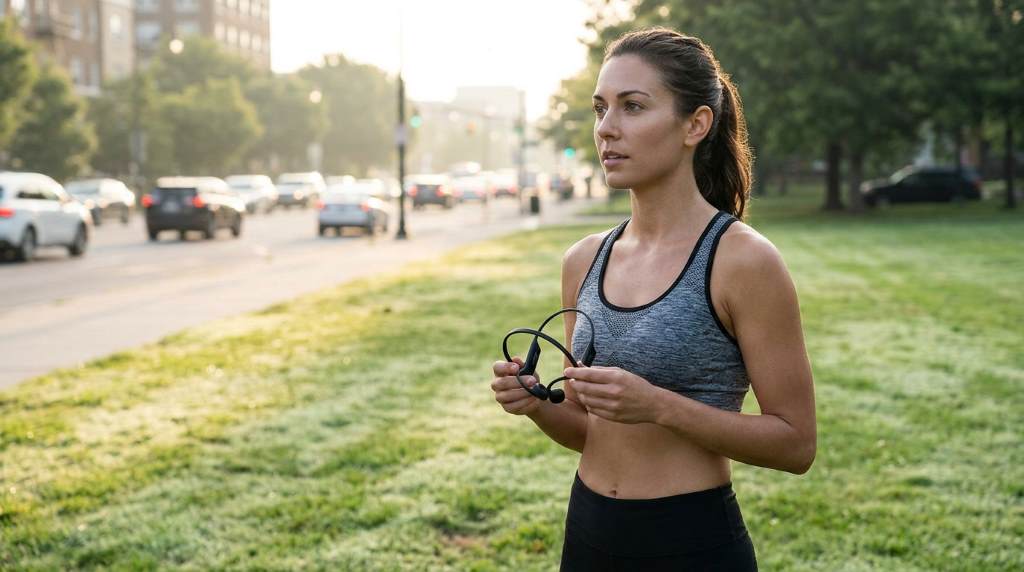







Cycling with audio has become increasingly popular across the USA. Recent transportation safety studies show that distracted riding contributes to thousands of bicycle accidents annually. However, safe listening practices can help cyclists enjoy music, navigation, and communication without compromising awareness. Understanding how to use cycling headphones safely on the road is essential for every rider, from commuters to endurance athletes. Additionally, selecting the best headphones for cycling can significantly improve safety and comfort during rides.
Many cyclists use headphones for motivation, navigation prompts, and emergency communication. Nevertheless, improper headphone use can reduce situational awareness and increase accident risks. This guide explains practical strategies, legal considerations, and proven safety techniques for responsible cycling audio use.
Why Cycling Headphone Safety Matters
Road cycling requires constant awareness of the surrounding environment. Riders must detect vehicle sounds, pedestrian movements, and emergency warnings instantly.
Furthermore, headphones can create auditory masking effects. These effects reduce a cyclist’s ability to identify important environmental sounds.
Safe headphone use balances entertainment with environmental awareness. Therefore, cyclists should prioritize safety over audio quality during every ride.
Understand Local Cycling Headphone Laws

Before using headphones while cycling, check local and state regulations. Laws regarding headphone use vary significantly across the USA.
Some states prohibit wearing headphones in both ears while operating a bicycle. Meanwhile, other states allow headphone use with specific restrictions.
Always verify current regulations before traveling to different regions. Following local laws helps avoid fines and improves overall road safety.
States With Common Restrictions
- Some states prohibit dual ear headphone use.
- Several states allow one earbud only.
- Many states permit bone conduction headphones.
- Certain municipalities impose additional local regulations.
Choose the Right Type of Cycling Headphones
Not all headphones are suitable for outdoor cycling. Selecting the correct design dramatically improves safety and awareness.
Open ear technologies allow environmental sounds to remain audible. Consequently, these devices have become increasingly popular among cyclists.
Bone Conduction Headphones
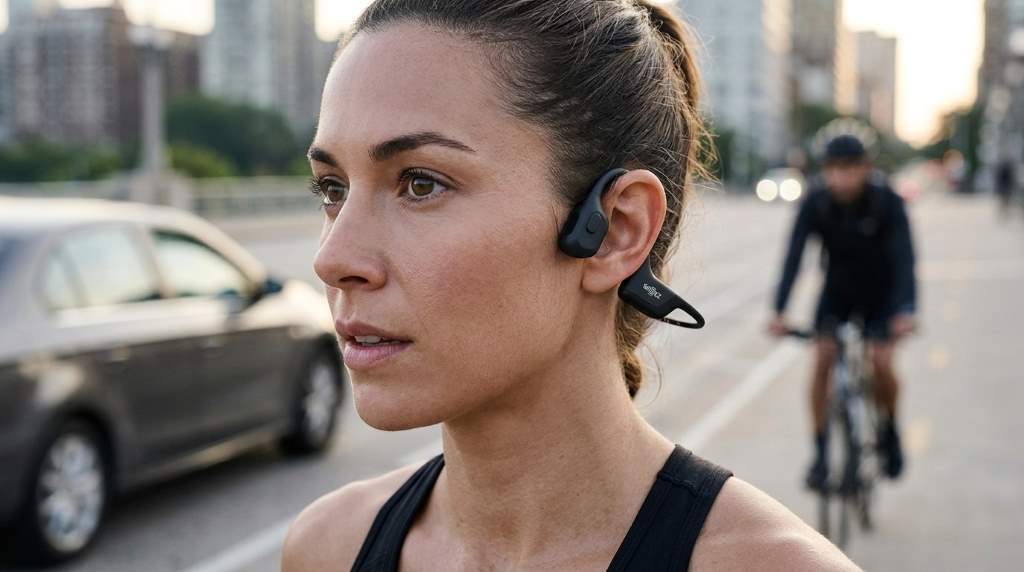
Bone conduction headphones transmit sound through facial bones. As a result, your ears remain open to surrounding traffic sounds.
Many professional cyclists prefer this technology for road training. Additionally, these devices often provide excellent comfort during long rides.
Open Ear Air Conduction Headphones
Open ear air conduction headphones rest outside the ear canal. Therefore, riders maintain better awareness of nearby hazards.
These headphones balance sound quality with environmental perception. Consequently, they offer a practical option for recreational cyclists.
Avoid Noise Canceling Headphones
Active noise cancellation reduces external sounds intentionally. However, cyclists require environmental awareness for safe riding.
Using noise canceling headphones on public roads creates unnecessary risks. Instead, reserve these devices for indoor training sessions.
Keep Audio Volume at Safe Levels
Excessive volume remains one of the biggest cycling safety hazards. Loud audio masks important environmental cues and emergency signals.
Experts commonly recommend maintaining volume below 60 percent. This level usually allows cyclists to hear surrounding traffic effectively.
Additionally, periodically pause audio during busy intersections. Temporary silence improves hazard detection and decision making.
Signs Your Volume Is Too Loud
- You cannot hear approaching vehicles.
- You miss conversations from nearby riders.
- You fail to hear warning horns.
- You experience ringing ears after riding.
Use One Earbud When Necessary
Single earbud use remains a practical compromise for many cyclists. This approach preserves partial environmental awareness during rides.
Place the earbud opposite the traffic side whenever possible. Consequently, your exposed ear remains better positioned for hazard detection.
However, one earbud use still requires careful attention. Never assume partial hearing completely eliminates safety concerns.
Prioritize Navigation Over Entertainment
Audio navigation can improve cycling safety when used properly. Voice prompts reduce the need to check smartphone screens repeatedly.
Many cyclists prefer navigation announcements without continuous music playback. This strategy preserves concentration and situational awareness.
Furthermore, navigation alerts typically require lower audio volumes. Lower volumes support safer riding environments.
Useful Audio Functions for Cyclists
- Turn by turn navigation prompts
- Emergency contact access
- Ride tracking notifications
- Weather alerts
Avoid Audio During High Risk Conditions
Certain environments require complete auditory awareness. In these situations, cyclists should avoid headphones entirely.
Heavy traffic, poor weather, and unfamiliar routes increase riding complexity. Therefore, eliminating audio distractions becomes especially important.
Night riding also presents additional hazards. Consequently, many experienced cyclists avoid headphones after dark.
Situations Requiring Maximum Awareness
- Busy urban intersections
- Construction zones
- Mountain descents
- Heavy rain conditions
- Nighttime commuting
Develop Safe Listening Habits
Safe cycling headphone use depends heavily on personal discipline. Establishing consistent habits reduces unnecessary risks.
Start every ride by checking headphone battery levels. Unexpected device failures can create distractions while riding.
Additionally, secure all cables and accessories properly. Loose equipment may interfere with bicycle controls.
Pre Ride Audio Safety Checklist
- Confirm local regulations.
- Set moderate volume levels.
- Check battery charge status.
- Test navigation functionality.
- Secure devices properly.
Use Smart Features Responsibly
Modern cycling headphones often include advanced safety features. However, technology should support awareness rather than replace it.
Transparency modes can enhance environmental hearing. Nevertheless, cyclists should verify performance before relying on these features.
Voice assistants also reduce manual phone interactions. Consequently, riders can keep their hands safely on the handlebars.
Communicate During Group Rides
Group cycling introduces additional safety considerations. Teammates depend on verbal communication and warning signals.
Always inform riding partners if you use headphones. This communication helps prevent misunderstandings during critical situations.
Additionally, keep audio volumes especially low during group rides. Clear communication improves collective safety significantly.
Recognize When to Remove Your Headphones
Experienced cyclists understand when audio becomes inappropriate. Safety conditions can change rapidly during any ride.
If traffic density increases, remove your headphones immediately. Similarly, remove them whenever weather conditions deteriorate.
Trust your judgment and prioritize awareness consistently. Arriving safely always outweighs entertainment value.
Conclusion
Learning how to use cycling headphones safely on the road requires balancing enjoyment with responsibility. Choosing appropriate headphones, maintaining low volume levels, and staying aware of local laws significantly improve rider safety.
Whether you cycle for fitness, commuting, or recreation in the USA, prioritize environmental awareness above all else. Evaluate your current riding habits today and implement safer listening practices before your next ride.
Frequently Asked Questions
Is it legal to wear headphones while cycling in the USA?
Yes, but regulations vary by state and local jurisdiction.
Are bone conduction headphones safer for cyclists?
Yes, because they keep the ears open to surrounding sounds.
What volume level should cyclists use?
Cyclists should generally keep audio volume below 60 percent.
Can I use noise canceling headphones while cycling?
No, noise canceling headphones reduce essential environmental awareness.
Should I wear headphones during group rides?
Yes, but only at low volumes that allow clear communication.