



Headphones are more than just a gadget—they’re a gateway to immersive music, engaging podcasts, and seamless calls. With nearly all adolescents and a significant portion of adults using them daily, optimizing their performance is essential. According to a 2017 study, 88.6% of adolescents listen to headphones every day or several times a week, often for hours at a time. This heavy usage underscores the need to enhance sound quality, ensure a comfortable fit, and maintain longevity. Let’s explore expert strategies to elevate your headphone experience, backed by practical tips and real-world insights.
Why Optimizing Your Headphones Matters
Headphones have become a daily essential, especially for young adults who use them for an average of 7.8 hours per week. Whether you’re commuting, working, or unwinding, poor sound quality can diminish your experience, an uncomfortable fit can cause fatigue, and neglecting maintenance can shorten their lifespan. The average person in the US replaces headphones every two years, often due to preventable issues like physical damage or improper care. By applying the right techniques, you can ensure your headphones deliver exceptional performance for years, saving you money and enhancing your audio enjoyment.
Elevating Sound Quality
Sound quality is the cornerstone of a great headphone experience. Here are proven ways to make your audio shine:
Choose Headphones That Match Your Needs
Not all headphones are created equal. Over-ear headphones, like those from Sony, offer superior sound isolation and bass response, making them ideal for home listening or professional audio work. In-ear models, such as Bose QuietComfort, are perfect for portability and active lifestyles. Consider your primary use—music, gaming, or calls—and choose accordingly. Young adults, the heaviest users, often prefer over-ear models for their immersive sound, especially for genres like hip-hop or classical music.
Master Equalization (EQ) Settings
Equalization allows you to fine-tune the balance of bass, midrange, and treble. Many headphones come with companion apps that offer preset or custom EQ settings. For example, boosting low frequencies can enhance bass-heavy tracks, while reducing treble can soften harsh highs. Experimenting with EQ settings can transform a flat-sounding pair into a personalized audio powerhouse. If your headphones lack an app, use your device’s built-in audio settings to make adjustments.
Ensure a Proper Fit
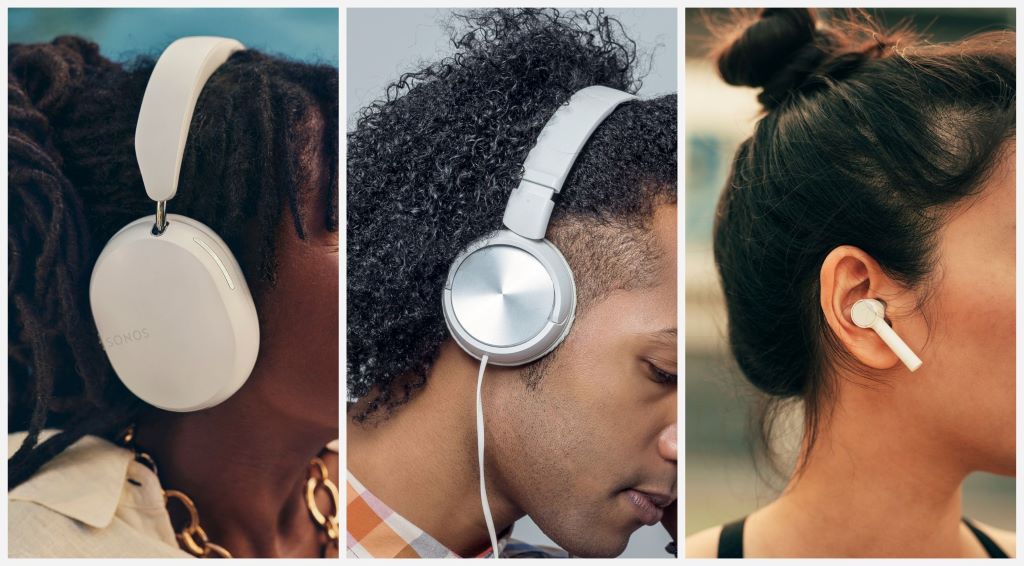
A secure fit is critical, especially for in-ear headphones. A poor seal can lead to weak bass and sound leakage, diminishing the listening experience. Memory foam ear tips, like those from Comply, provide a custom fit and excellent noise isolation, while silicone tips are durable and easy to clean. Test different sizes to find the perfect match. For over-ear headphones, ensure the ear cups fully encompass your ears to maximize sound quality and comfort.
Use High-Quality Audio Sources
The quality of your audio files or streaming service directly impacts sound. Opt for high-bitrate files (320kbps or lossless formats like FLAC) or the highest streaming quality available on platforms like Spotify or Apple Music. If you’re using a computer, a Digital-to-Analog Converter (DAC) can enhance the audio signal, delivering clearer and more detailed sound. Poor-quality sources can make even premium headphones sound lackluster, so prioritize quality inputs.
Achieving a Comfortable Fit
Comfort is paramount for extended listening sessions, especially for the 87% of people who use headphones primarily for music. Here’s how to ensure your headphones feel as good as they sound:
Select the Right Ear Tips
For in-ear headphones, choosing the correct ear tip size and material is crucial. Memory foam tips mold to your ear canal, offering superior comfort and noise isolation, which enhances both sound quality and listening experience. Silicone tips, while less isolating, are more durable and easier to maintain. Many headphones come with multiple tip sizes, so experiment to find the best fit. A proper seal not only improves comfort but also blocks out ambient noise, reducing the need for high volumes.
Adjust Over-Ear Headphones
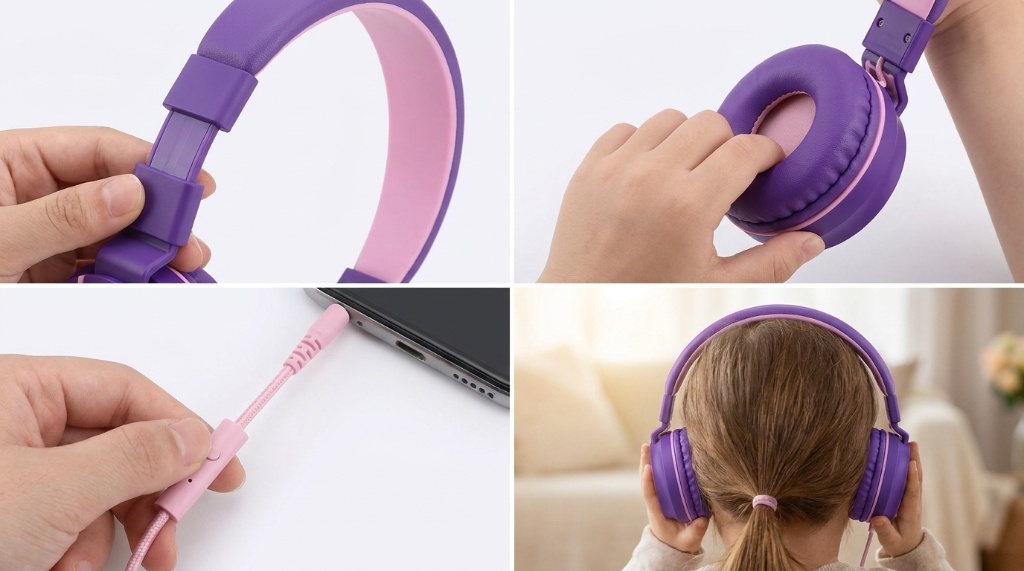
Over-ear headphones should sit comfortably without causing pressure points. Adjust the headband to fit snugly but not too tightly. If the ear cups feel shallow or cause discomfort, consider upgrading to thicker, cushioned pads. This is especially important for users who wear headphones for hours, as improper fit can lead to ear fatigue or even headaches. A well-adjusted pair ensures you can enjoy long sessions without discomfort.
Take Regular Breaks
Even the most comfortable headphones can cause fatigue if worn for too long. Taking breaks every hour allows your ears to rest and prevents discomfort. This practice is also critical for hearing health, as prolonged exposure to sound, especially at high volumes, can lead to hearing loss. The World Health Organization warns that 1.1 billion young people are at risk of hearing damage due to unsafe listening practices, making breaks a vital habit.
Extending Headphone Longevity
Headphones are an investment, and proper care can significantly extend their lifespan. Here’s how to keep them in top condition:
Handle with Care
Mishandling is a common cause of headphone damage. Avoid dropping them or subjecting them to rough treatment. For wired headphones, prevent cable tangling by wrapping them carefully or using a cable organizer. When not in use, store your headphones in a protective case or pouch to shield them from dust and physical damage. This is especially important for wireless models, which can be prone to scratches or dents.
Clean Regularly
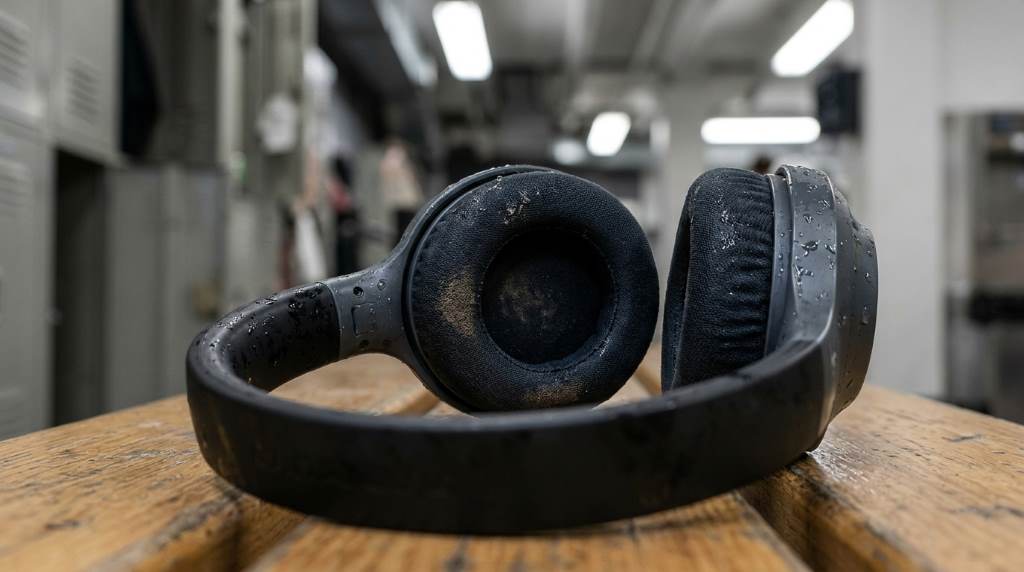
Dirt, earwax, and bacteria can accumulate on headphones, affecting both hygiene and sound quality. For in-ear models, remove and wash ear tips weekly with mild soap and water. For over-ear headphones, use a soft, damp cloth to wipe down ear cups and headbands. Regular cleaning prevents buildup that can clog drivers or degrade materials, ensuring consistent performance. Replace ear tips or pads every few months to maintain optimal condition.
Protect from Physical Damage
If you use headphones in active environments, such as during workouts or travel, invest in a rugged case or clip-on cable protectors. Avoid exposing headphones to extreme temperatures or moisture, as these can damage internal components, especially in wireless models. Proper storage and handling can prevent the need for frequent replacements, saving you money in the long run.
Additional Tips for a Superior Experience
To take your headphone experience to the next level, consider these extra strategies:
- Use Headphone Stands or Cases: A stand keeps headphones organized and tangle-free, while a case protects them during travel. This is especially useful for premium models that deserve extra care.
- Monitor Volume Levels: Keep volumes moderate to protect your hearing. Noise-canceling headphones can reduce the need for high volumes in noisy environments, preserving both your ears and audio quality.
- Consider Upgrades: For audiophiles, upgrading to high-quality cables or adding an external DAC/amplifier can enhance sound clarity and depth. These upgrades are particularly effective for wired headphones.
- Check Warranty and Support: Before purchasing, review the manufacturer’s warranty and customer support options. Brands like Sony and Bose offer robust support, which can be a lifesaver for repairs or replacements.
Real-World Insights and Statistics
Headphone usage is widespread, with 97.1% of adolescents using portable music devices regularly, averaging 2 hours per session. However, this heavy use comes with risks—1 in 5 teens experience some form of hearing loss, partly due to prolonged headphone use at high volumes. The headphone market is also booming, with global shipments projected to reach 400 million units in 2019, reflecting their growing importance. By prioritizing sound quality, comfort, and maintenance, you can avoid common issues like poor fit, distorted audio, or premature wear.
Conclusion
Optimizing your headphones for sound quality, fit, and longevity is a game-changer. By choosing the right pair, fine-tuning EQ settings, ensuring a proper fit, and maintaining them carefully, you can enjoy a superior audio experience. Regular breaks and moderate volume levels protect your hearing, while proper storage and cleaning extend your headphones’ lifespan. Whether you’re a casual listener or a dedicated audiophile, these tips will help you unlock the full potential of your headphones, making every listening session a delight.
Read More: Best Headphones for Every Situation: Gaming, Travel, Work And More