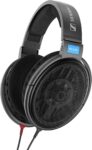
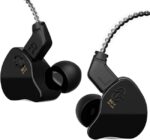


Cycling through bustling streets or serene trails feels better with music or podcasts. But safety matters most. Traditional earbuds block ambient noise, reducing situational awareness. This can be risky on busy roads. Bone conduction and open-ear air conduction headphones solve this. They keep ears open, blending audio with environmental sounds. Which is better for cyclists? This article compares bone conduction headphones and open-ear air conduction models. We’ll explore sound quality, comfort, safety, and more. Let’s find the best fit for your rides.
What Are Bone Conduction Headphones?
Bone conduction headphones transmit sound differently. They send vibrations through your skull bones to the inner ear. Your ear canal stays open. This design ensures you hear traffic, pedestrians, or emergency vehicles. Brands like Shokz lead the market. Their OpenRun Pro model uses advanced bone conduction technology. It delivers clear audio without blocking external sounds. Cyclists love this for safety. The headphones sit on your cheekbones, with a neckband for stability. They’re lightweight, often under 30 grams, and resist sweat.
How Bone Conduction Works
Sound waves bypass the eardrum. Vibrations travel through bones to the cochlea. This creates a unique listening experience. It’s ideal for active lifestyles. Bone conduction headphones reduce ear canal pressure. They lower the risk of hearing damage from prolonged use. However, bass notes can feel weaker compared to traditional headphones. High-pitched sounds, like voices, shine through clearly. This makes them great for podcasts or calls during rides.
Benefits for Cyclists
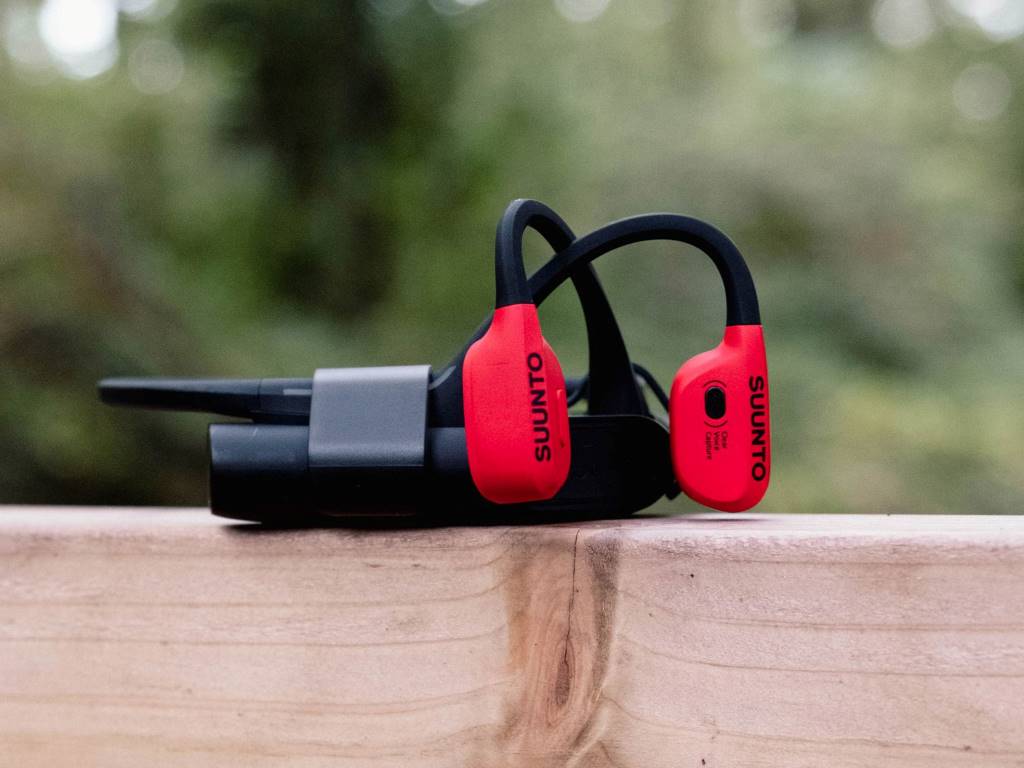
Cyclists need situational awareness. Bone conduction headphones excel here. You hear cars approaching or teammates shouting. They’re sweat-resistant, with models like Shokz OpenRun Pro boasting IP55 waterproof ratings. The titanium frame ensures durability. They fit snugly under helmets, avoiding interference. Battery life lasts up to 8–12 hours, perfect for long rides like the MS 150. Some models, like Suunto Wing, include LED lights for visibility.
Drawbacks to Consider
Sound quality doesn’t match audiophile standards. Bass lacks depth due to bone conduction’s limits. Loud environments, like heavy traffic, can drown out audio. Wind noise at speeds over 25 kph affects clarity. Some users report discomfort from vibrations after long use. Fit varies by head size. Larger heads may find models like Shokz OpenRun tight.
What Are Open-Ear Air Conduction Headphones?
Open-ear air conduction headphones sit near or above the ear canal. They use directional audio to project sound waves through the air. Your ears stay unblocked, allowing ambient noise to filter in. Brands like Oladance and Bose offer models like the OWS Sports and Ultra Open Earbuds. These headphones balance rich sound with environmental awareness. They’re popular for sports enthusiasts who want better audio quality.
How Air Conduction Works
Air conduction headphones rely on traditional sound delivery. Speakers near the ear send sound waves to the eardrum. Open-ear designs avoid sealing the ear canal. This keeps you aware of surroundings. Some models, like Bose Ultra Open Earbuds, use ANC transparency mode. This amplifies ambient noise for enhanced safety. Others, like TOZO Open Buds, offer customizable EQ settings for tailored sound.
Benefits for Cyclists
Air conduction headphones deliver superior sound quality. They produce richer bass and clearer highs than bone conduction models. Cyclists enjoy immersive audio for music or podcasts. Models like Oladance OWS Sports provide secure ear hooks. These prevent slipping during sweaty rides. Battery life matches bone conduction, often 7–12 hours. Many are IPX5 water-resistant, handling rain or sweat. They pair well with cycling gear, like helmets and glasses.
Drawbacks to Consider
Sound leakage is a concern. Open-ear designs can disturb others nearby. They’re less discreet than bone conduction headphones. Wind noise impacts audio clarity at high speeds. Some models, like Apple AirPods Pro, rely on transparency mode, which may not suit all cyclists. Earbud designs can fall out during intense rides. Prices range from $20 to $300, higher than some bone conduction options.
Comparing Bone Conduction and Air Conduction for Cycling
Let’s break down the key factors: sound quality, safety, comfort, durability, and battery life. This comparison helps cyclists choose the right headphones.
Sound Quality
Bone conduction headphones prioritize safety over audio fidelity. They excel for podcasts and calls. Music lacks deep bass notes. Shokz OpenRun Pro 2 uses DualPitch technology, blending air and bone conduction for better bass. Air conduction headphones offer richer sound. Oladance OWS Sports provides customizable EQ settings. Bose Ultra Open Earbuds deliver spatial audio. For audiophiles, air conduction wins. Cyclists focused on podcasts may prefer bone conduction.
Safety and Situational Awareness
Both headphone types keep ears open. Bone conduction headphones vibrate the skull, leaving ear canals completely free. This maximizes awareness of traffic or emergency vehicles. Air conduction headphones project sound near the ear. Models with active noise amplification, like Bose, enhance external sounds. Both are safer than in-ear earbuds like Sennheiser CX300II. Bone conduction slightly edges out for safety due to its open-ear design.
Comfort and Fit
Bone conduction headphones distribute weight along the jawline. Lightweight titanium frames, like Shokz OpenRun, ensure comfort. They fit most head sizes but may feel tight for larger heads. Air conduction headphones vary. Earbud designs, like TOZO Open Buds, use silicone cushions for stability. Over-ear models, like Oladance, avoid ear canal pressure. Both work with helmets, but air conduction may interfere with glasses. Bone conduction suits longer wears.
Durability and Water Resistance
Cycling demands durable gear. Bone conduction headphones, like Suunto Wing, offer IP68 waterproof ratings. They handle sweat, rain, and rough conditions. Air conduction models, like soundcore Aerofit series, are often IPX5 water-resistant. They withstand splashes but not submersion. Bone conduction’s titanium frames add strength. Both types suit active lifestyles, but bone conduction is tougher.
Battery Life and Connectivity
Both headphone types offer solid battery life. Shokz OpenRun Pro lasts 12 hours. Oladance OWS Sports provides 7 hours. Fast-charging technology, like Shokz’s 5-minute charge for 2.5 hours, is a plus. Bluetooth 5.0 or 5.3 chips ensure stable connectivity. Bone conduction models, like Creative Outlier Free, support multipoint pairing. Air conduction headphones, like Bose, offer seamless device switching. Both meet cycling needs.
Best Headphones for Cycling in 2025
Here are top picks for bone conduction and air conduction headphones. Each suits different cycling needs.
Top Bone Conduction Headphones
- Shokz OpenRun Pro 2: Best overall. Offers 12-hour battery life, IP55 rating, and DualPitch for improved bass. Secure fit for helmets.
- Suunto Wing: Great for visibility. Includes LED lights and IP68 waterproofing. Ideal for night rides.
- Mojawa Run Air: Comfort-focused. Flexible band fits well with helmets. Good sound for commutes.
Top Air Conduction Headphones
- Bose Ultra Open Earbuds: Premium sound. ANC transparency mode boosts awareness. 7-hour battery life.
- Oladance OWS Sports: Rich audio with customizable EQ. Secure ear hooks for intense rides.
- TOZO Open Buds: Budget-friendly. IPX6 water resistance and clear sound. Great value for casual cyclists.
Cycling Scenarios: Which Headphones Fit Best?
Urban Commuting
City rides need maximum situational awareness. Bone conduction headphones, like Shokz OpenRun, keep ears open for traffic. Their lightweight design suits daily commutes. Air conduction models, like Bose Ultra Open Earbuds, work if you prioritize sound quality. Transparency mode helps hear horns or shouts. Bone conduction is safer in heavy traffic.
Long-Distance Rides
For 2–3 hour rides, comfort matters. Bone conduction headphones, like Suunto Wing, stay secure and breathable. Air conduction models, like Oladance, offer richer audio for music. Both handle sweat well. Choose bone conduction for podcasts, air conduction for immersive playlists.
Indoor Cycling
Indoor rides, like Zwift sessions, don’t require ambient noise awareness. Air conduction headphones shine here. Their superior sound quality enhances music or movies. Bone conduction works for casual listening. Models like soundcore Aerofit series are sweat-resistant for intense sessions.
Health and Safety Considerations
Both headphone types reduce hearing risks. Bone conduction bypasses the eardrum, lowering damage from loud volumes. Air conduction avoids ear canal pressure, reducing ear infections. Both are hygienic, avoiding earwax buildup. Bone conduction suits hearing impairments, like conductive hearing loss. Air conduction may cause fatigue during long rides. Always keep volume low to protect hearing.
Sound Leakage Concerns
Bone conduction headphones leak less sound. Vibrations are subtle, barely noticeable to others. Air conduction models, like open-back headphones, leak more. This can annoy nearby riders. Choose bone conduction for group rides. Air conduction suits solo rides where leakage isn’t an issue.
Wind Noise Challenges
Wind noise affects both types at high speeds. Bone conduction struggles over 25 kph. Air conduction headphones, like Bose, use noise-canceling mics to reduce wind impact. Both need volume adjustments in windy conditions. Test models in a store to gauge performance.
Compatibility with Cycling Gear
Bone conduction headphones pair well with helmets and glasses. Their neckband design avoids interference. Shokz OpenRun fits snugly under most helmets. Air conduction earbuds, like TOZO Open Buds, use ear hooks for stability. Over-ear models may clash with glasses. Check fit with your gear before buying.
Cost and Value
Bone conduction headphones range from $19 to $200. Shokz OpenRun offers premium quality at $130. Air conduction models vary widely, $20 to $300. Budget options, like TOZO Open Buds, start at $20. Premium models, like Bose Ultra Open Earbuds, cost $300. Bone conduction is often more cost-effective for cyclists.
User Experiences and Feedback
Cyclists praise bone conduction for safety. Reddit users love Shokz for podcasts but note volume issues in wind. Air conduction users, like Oladance fans, enjoy richer sound but report ear fatigue. Some prefer single earbuds, like Apple AirPods Pro, for simplicity. Test both types to find your fit.
FAQs
Are bone conduction headphones safe for cycling?
Yes. They keep ears open, ensuring situational awareness. You hear traffic and emergency vehicles clearly.
Do air conduction headphones sound better than bone conduction?
Air conduction offers richer bass and clearer highs. Bone conduction prioritizes safety over sound quality.
Can I wear these headphones with a cycling helmet?
Both types fit under helmets. Bone conduction neckbands avoid interference. Air conduction earbuds need secure hooks.
How do wind noise and traffic affect audio clarity?
Wind noise above 25 kph reduces clarity for both. Air conduction with noise-canceling mics performs better.
Which headphones are best for long rides?
Bone conduction, like Shokz OpenRun, stays comfortable longer. Air conduction, like Oladance, suits music lovers.
Which Should You Choose?
Bone conduction headphones excel for safety-conscious cyclists. They keep ears open, reducing accident risks. Shokz OpenRun Pro 2 offers solid performance for podcasts. Air conduction headphones, like Bose Ultra Open Earbuds, deliver richer sound for music. They suit indoor or less busy rides. Consider your priorities: safety or audio quality. Test both types if possible. Share your thoughts below—what headphones do you use for cycling? Let’s keep the conversation going!
Comment with your favorite cycling headphones. Subscribe for more gear tips and cycling guides!
References
- Aline Goes Cycling: https://alinegoescycling.com
- Cycling Weekly: https://www.cyclingweekly.com