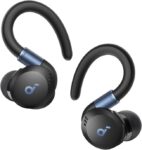
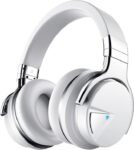
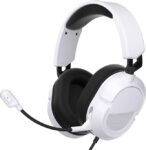
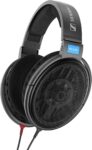


Choosing the right headphones often feels like walking a tightrope between sound quality, comfort, and environment adaptability. Among the top contenders, the debate between Noise-Canceling vs. Open-Back headphones remains fierce and nuanced. Both styles serve very different needs and excel in unique ways. Understanding their distinctions will not only improve your listening experience but also save you money and frustration. Here’s an in-depth comparison, backed by expert opinions, statistics, and practical insights.
Understanding the Basics: What Sets Noise-Canceling and Open-Back Apart?
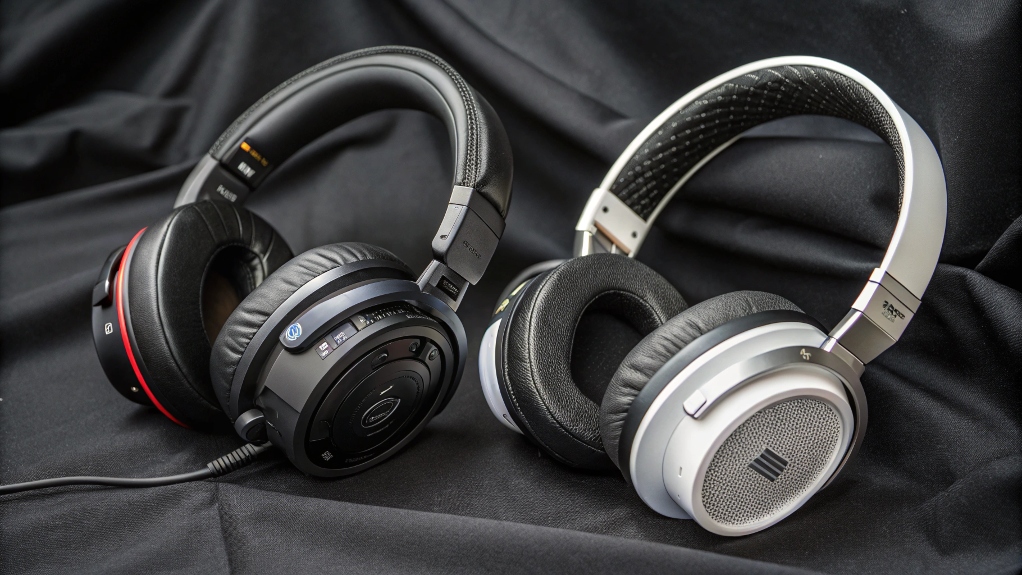
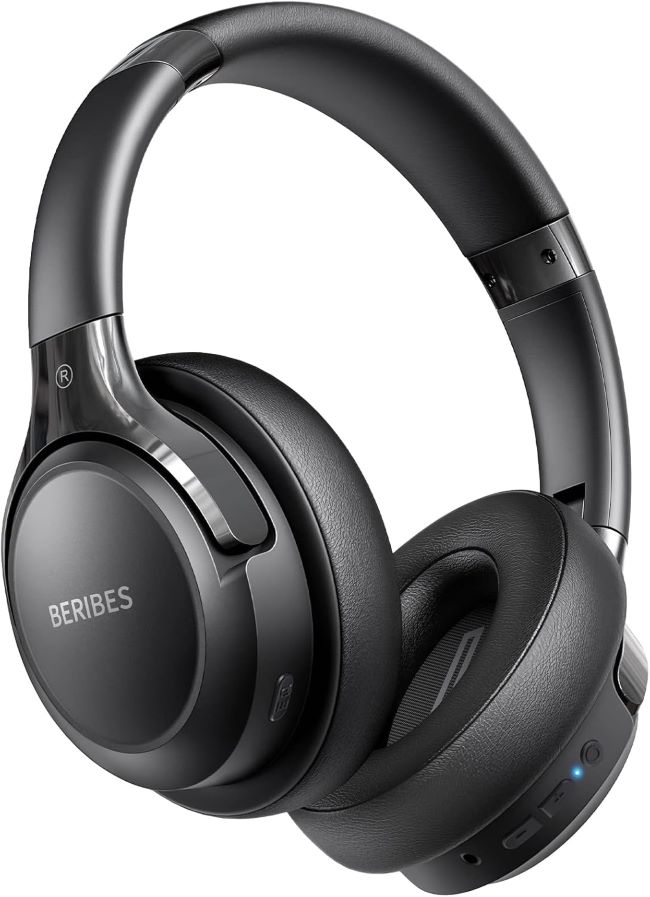
Noise-canceling headphones use active technology to reduce unwanted ambient sounds. They contain microphones that pick up external noise and produce inverse sound waves to cancel it out. According to a 2023 Consumer Reports study, noise-canceling headphones can reduce noise by up to 30 decibels, making them ideal for busy environments like airplanes or offices.
In contrast, open-back headphones feature perforated ear cups that allow air and sound to pass through freely. This design offers a natural and spacious soundstage, often preferred by audiophiles and musicians. However, open-back headphones do not isolate noise; instead, they let external sounds in and allow your audio to leak out.
Sound Quality: Which One Wins?
When it comes to pure sound quality, open-back headphones typically take the crown. Their design creates a more immersive and realistic audio experience. By allowing sound to breathe, open-back headphones provide clarity in the mid and high frequencies and a balanced, natural bass response. Audiophile forums like Head-Fi often praise models like the Sennheiser HD 600 and Audeze LCD-2 for delivering studio-quality sound unmatched by closed or noise-canceling headphones.
However, noise-canceling headphones have come a long way. Brands like Sony’s WH-1000XM5 and Bose QuietComfort 45 combine decent sound quality with excellent noise isolation. While some purists argue noise-canceling tech can slightly degrade sound purity due to processing, these headphones still deliver punchy bass and crisp highs for most users.
Comfort and Usage Scenarios: Where Do They Shine?
Noise-canceling headphones excel in noisy environments. Frequent travelers, commuters, and office workers benefit greatly from the quiet environment noise-canceling technology creates. According to a 2022 survey by Statista, over 60% of users cited travel as their primary use case for noise-canceling headphones.
Open-back headphones, meanwhile, shine in quiet spaces such as home studios or listening rooms. They offer superior comfort during extended listening sessions because their open design prevents ear heat buildup. Music producers and sound engineers often prefer open-back headphones for mixing and mastering, as they reveal sound details more accurately.
Portability and Build: Practical Considerations
Noise-canceling headphones are usually closed-back and designed for portability. Their sturdy build, foldability, and compact design make them travel-friendly. In contrast, open-back headphones tend to be bulkier and less durable due to their delicate grills and exposed drivers. This limits their practicality outside controlled environments.
Furthermore, the battery life of noise-canceling headphones is a crucial factor. Most models offer between 20 to 40 hours of use per charge. Open-back headphones do not require batteries since they lack active technology, but they must rely on external amplification for optimal performance.
Price Differences: Value for Money
High-end noise-canceling headphones often come with premium price tags, usually starting around $250 and climbing beyond $400. This cost reflects the advanced electronics involved. Open-back headphones range widely, from budget models at $100 to premium audiophile gear exceeding $2,000.
Budget-conscious buyers should consider how they plan to use the headphones. Spending on noise-canceling tech makes sense for frequent travelers. On the other hand, if audio fidelity in a quiet environment is the priority, investing in quality open-back headphones offers more value.
The Environmental Impact of Each Design
Another angle often overlooked is environmental impact. Noise-canceling headphones rely heavily on electronics and batteries, which raise concerns about sustainability and disposal. Open-back headphones, being mostly mechanical, tend to have a smaller ecological footprint.
Real-World Example: A User Perspective
John, a graphic designer from New York, switched from open-back to noise-canceling headphones after months of commuting. He noted, “The silence on the subway was a game changer. My music sounded better because I wasn’t battling noise.”
Meanwhile, Sarah, a music producer in Los Angeles, prefers open-back headphones at her studio. She says, “I can hear every subtle layer in my mixes. Noise cancellation might be neat, but it’s not for professional listening.”
External Expert Opinions and Data
Trusted sources back up these opinions. Rtings.com, a leading headphone review site, consistently rates noise-canceling headphones highly for noise reduction but often ranks open-back models better for sound accuracy. Their reviews highlight the trade-offs users must weigh.
Summary Table: Noise-Canceling vs. Open-Back
| Feature | Noise-Canceling Headphones | Open-Back Headphones |
| Noise Isolation | Excellent, reduces up to 30 dB | Poor, lets external noise in |
| Sound Quality | Good, sometimes slightly processed | Excellent, natural and spacious soundstage |
| Comfort | Good for short/medium use, can cause ear heat | Excellent for long sessions, breathable design |
| Portability | Highly portable, foldable, battery-powered | Bulky, fragile, requires external amp |
| Price Range | $250 to $600+ | $100 to $2000+ |
| Use Case | Travel, commuting, noisy environments | Studio, home listening, audiophile use |
| Environmental Impact | Higher due to electronics and batteries | Lower, primarily mechanical design |
FAQs on Noise-Canceling vs. Open-Back Headphone Comparisons
Can noise-canceling headphones provide better sound quality than open-back headphones?
Noise-canceling headphones offer good sound but often sacrifice some clarity due to processing. Open-back headphones provide a more natural sound.
Are open-back headphones suitable for outdoor use?
No, they leak sound and let in ambient noise, making them less ideal outdoors.
Do noise-canceling headphones require charging?
Yes, they rely on batteries to power the noise cancellation feature.
Which headphones are better for gaming?
It depends. Open-back headphones offer spatial awareness, while noise-canceling headphones block distractions.
Is sound leakage a problem with open-back headphones?
Yes, sound leaks out and can disturb people nearby.
Can I use noise-canceling headphones for workouts?
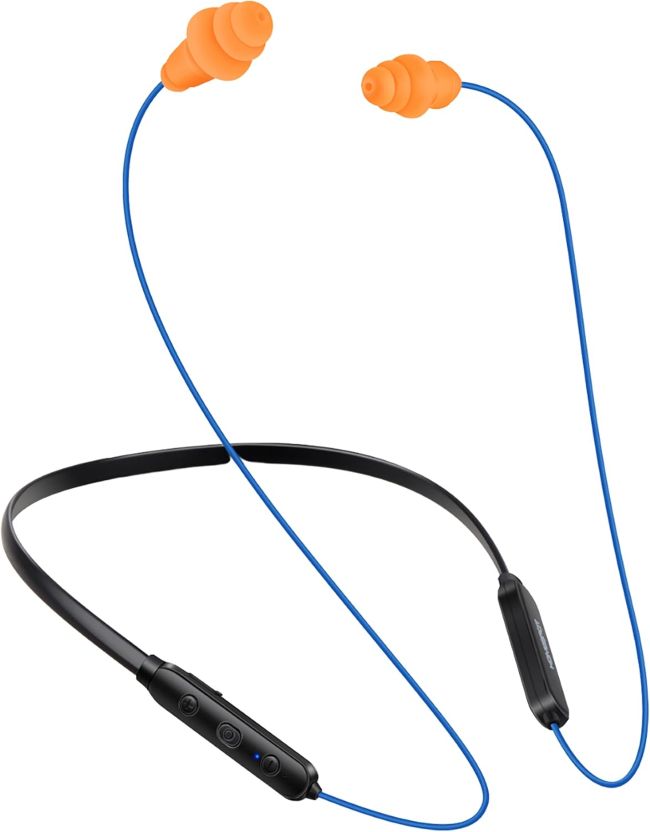
They can be bulky and less sweat-resistant, so specialized sports headphones might be better.
Do noise-canceling headphones protect hearing?
By reducing ambient noise, they may allow listening at lower volumes, potentially protecting hearing.
Read More Also: Headphone Tips: Improve Sound Quality, Fit, and Longevity
Final Thought
The debate between Noise-Canceling vs. Open-Back: Headphone Comparisons boils down to your lifestyle and priorities. If you crave peace amid chaos, noise-canceling headphones deliver unparalleled quiet. If you seek audio purity and comfort in controlled settings, open-back headphones offer an immersive, natural sound experience. Understanding these nuances ensures you pick the perfect pair that elevates your sound journey without compromise.