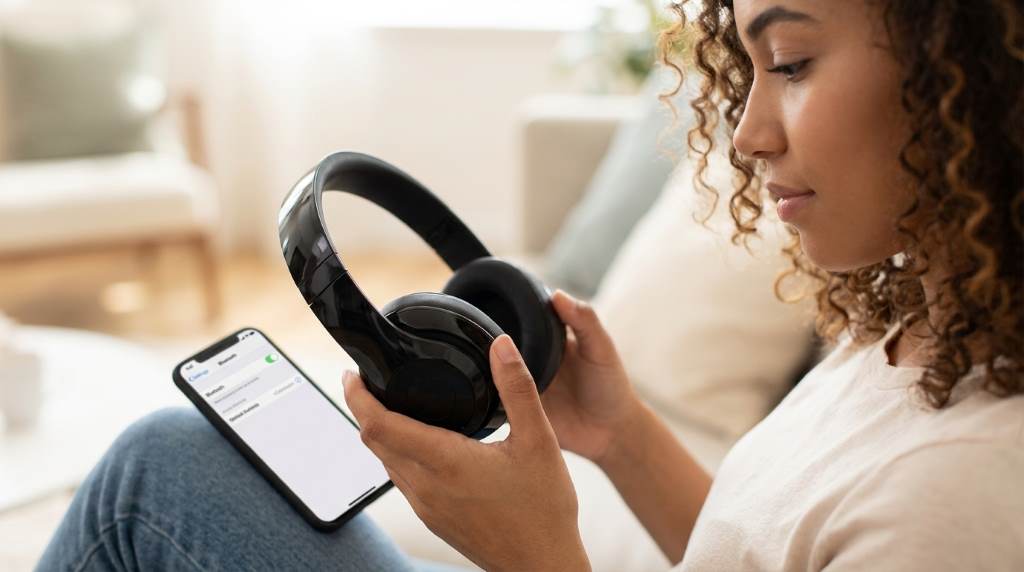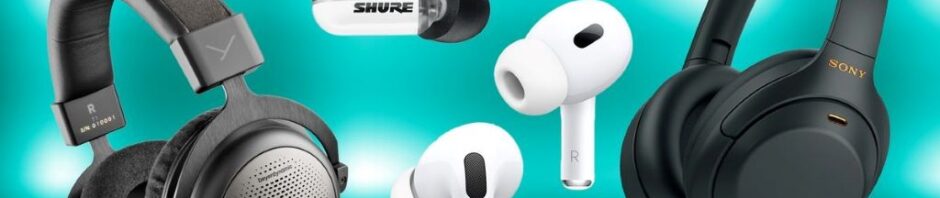






The world of audio technology is evolving at lightning speed. From truly wireless earbuds to groundbreaking Active Noise Cancellation (ANC), innovations are redefining how we experience sound. But what’s driving these changes, and what can we expect next? Let’s dive into the latest developments that are changing the way we listen, communicate, and immerse ourselves in audio.
Wireless Audio: No Longer a Compromise
When Apple removed the headphone jack in 2016, critics called it premature. Fast forward to 2025, and wireless audio isn’t just common—it’s preferred. According to Statista, over 55% of global headphone sales in 2024 were wireless. The technology has matured, offering robust Bluetooth 5.3 connectivity, reduced latency, and significantly better battery life.
Why the surge in wireless adoption? It boils down to convenience, design, and performance. Modern true wireless stereo (TWS) earbuds, like Sony’s WF-1000XM5 and Apple’s AirPods Pro 2, provide near lossless audio, seamless pairing, and 360-degree spatial sound. Many now support Low Latency Audio (LE Audio), which enhances audio quality while consuming less power.
Additionally, multipoint connectivity has become a standard, allowing users to switch between devices like laptops and phones without manually disconnecting. This quality-of-life improvement speaks volumes to the modern multitasker’s needs.
Active Noise Cancellation: Smarter, Sharper, and More Adaptive
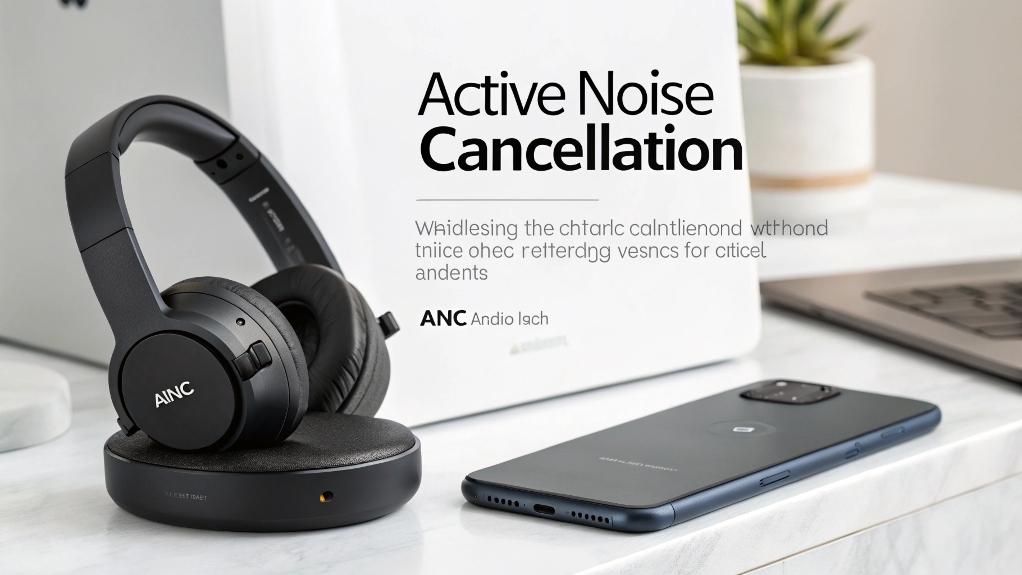
ANC has been around for decades, but it’s never been smarter than it is today. Originally designed for pilots in the 1980s, ANC now uses machine learning algorithms to adapt to different environments. Devices like the Bose QuietComfort Ultra and Sennheiser Momentum 4 analyze external noise hundreds of times per second and adjust cancellation accordingly.
What sets today’s ANC apart is its adaptive intelligence. These headphones can differentiate between constant low-frequency sounds (like airplane engines) and sudden bursts (like horns), treating each differently. According to a 2024 report by Rtings.com, modern ANC systems can now block up to 95% of background noise, a figure that was closer to 70% just five years ago.
Transparency modes have also advanced. Apple’s Adaptive Transparency, for example, intelligently lets in important sounds—like voices or announcements—while still blocking distractions. The balance between isolation and awareness is increasingly user-controlled.
Beyond ANC: The Rise of Smart Audio Features
As impressive as wireless audio and ANC are, the “beyond” in What’s New in Audio Tech: Wireless, ANC, and Beyond is where the real excitement begins. AI-powered personalization is one of the most transformative trends. Products like NuraTrue Pro and Jabra Elite 10 offer hearing tests that tailor the sound signature to the user’s unique ear profile.
Another game-changer is spatial audio. Originally a niche feature, it’s now integrated into platforms like Netflix, Apple Music, and PlayStation 5. With dynamic head tracking, audio sources shift realistically as you move your head, creating a more immersive experience. Dolby Atmos support in consumer-grade earbuds is no longer rare.
Battery technology has also improved. Graphene-enhanced batteries and energy-efficient chips have extended playtime. Some high-end earbuds now offer up to 30 hours of battery life with ANC enabled.
Eco-Friendly Audio: A Conscious Turn
Sustainability is finally taking center stage. Brands like House of Marley and Urbanears are using recycled plastics and responsibly sourced materials in their designs. Consumers are now asking: “Is this good for the planet as well as my ears?”
Big players are also joining the movement. Sony has committed to a zero environmental footprint by 2050, while Apple boasts about carbon-neutral production for some of its audio products. These shifts reflect a broader trend: technology that respects both user and environment.
Audio for Health and Productivity
With more people working remotely, audio tech is also serving health and productivity. Noise-filtering microphones are making virtual meetings clearer. Bone-conduction headphones, like those from Shokz, offer an open-ear solution ideal for runners or professionals who need situational awareness.
Moreover, some earbuds now feature real-time hearing enhancement. This isn’t just for the hearing-impaired. Even average users benefit from amplified conversations in noisy places. This fusion of wellness and audio innovation is creating new use cases far beyond entertainment.
Integration with the Ecosystem
Headphones are no longer standalone gadgets. They are deeply integrated into larger ecosystems. Apple’s AirPods Pro, for instance, automatically switch between iPhone, iPad, and Mac based on usage. Samsung’s Galaxy Buds fit seamlessly into its ecosystem, adjusting sound modes when you begin recording or gaming.
This tight integration enhances usability and reduces friction. Consumers expect their tech to be as smart and responsive as they are. Brands that deliver this harmony are leading the pack.
Future Forecast: What’s Next?
What’s next in What’s New in Audio Tech: Wireless, ANC, and Beyond? Expect to see augmented reality audio take center stage. Companies like Meta and Apple are investing heavily in audio-layered AR experiences where sound changes with your position and environment.
Also on the horizon is biometric sensing. Future earbuds may monitor heart rate, oxygen levels, and stress in real-time—merging fitness tracking and entertainment. Qualcomm’s S5 Gen 3 chip already lays the foundation for such capabilities.
We may also see more smart charging cases that offer features like built-in displays, voice assistants, or even translation tools. The headphone case is no longer just a battery holder—it’s becoming a mini-smart device.
7 Frequently Asked Questions
What makes modern ANC different from older models?
Modern ANC adapts in real time using AI, offering more precise noise cancellation than static filters of the past.
Is wireless audio as good as wired now?
Yes. With codecs like LDAC and aptX Adaptive, wireless can now deliver near-lossless audio, rivaling wired quality.
What’s spatial audio and why does it matter?
Spatial audio simulates 3D sound, making movies and music more immersive by tracking your head movements and environment.
Do smart features drain battery faster?
They used to, but newer chips are more energy-efficient. Some earbuds now last over 30 hours even with ANC and AI active.
Are eco-friendly headphones less durable?
Not necessarily. Many eco-models use high-quality recycled materials and meet the same durability standards as traditional ones.
What is LE Audio and why is it important?
LE Audio is a next-gen Bluetooth standard offering better sound quality and lower power consumption—ideal for wireless audio.
Should I wait to buy or upgrade now?
If you need better audio quality or ANC, now is a great time. The tech is mature and upgrades are significant over past models.
Final Thought
The landscape of What’s New in Audio Tech: Wireless, ANC, and Beyond reflects more than just better sound—it’s a shift toward intelligent, immersive, and sustainable audio experiences. As technology continues to evolve, we’re not just hearing the future—we’re living it. Whether you’re a casual listener or an audiophile, there’s never been a more exciting time to upgrade how you listen. Smart, wireless, adaptive audio isn’t just a trend—it’s the new standard.