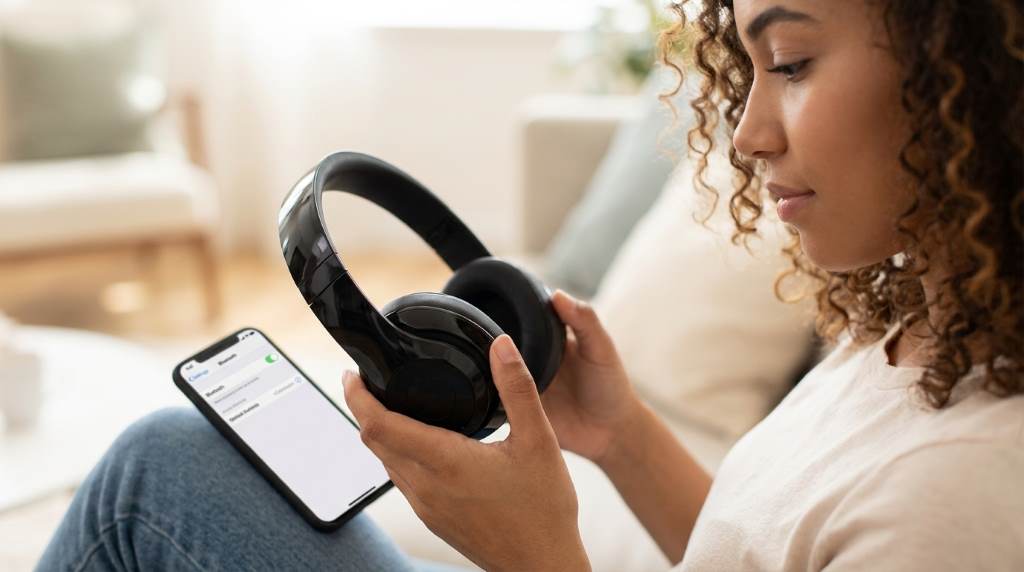





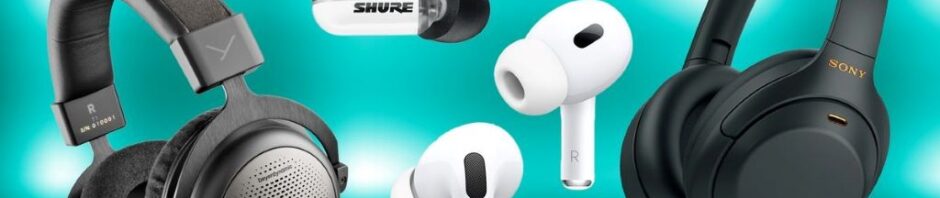
The headphone industry is undergoing a seismic shift. As consumers demand more from their audio gear, manufacturers respond with smarter, more immersive, and health-conscious innovations. From AI-powered soundscapes to sustainable design, the latest in headphone technology & audio trends in 2025 offers more than just music—it’s a lifestyle upgrade.
Smart Features Are No Longer Optional
Today’s headphones aren’t just about delivering sound—they’re personal audio assistants. Major brands like Apple, Sony, and Bose are embedding AI-driven sound personalization and biometric sensors into their flagship models. For instance, Sony’s WH-1000XM5 uses adaptive sound control to analyze user movement and automatically adjust ambient noise levels.
According to a 2024 Deloitte report, 65% of users now expect headphones to adjust based on their environment. Personalized audio profiles, made possible by machine learning, are especially popular among Gen Z consumers who value customization and real-time optimization.
This smart tech also supports mental health. Companies like MindLax and Kokoon integrate EEG sensors and guided soundscapes, aiming to improve sleep and reduce stress. These are no longer gimmicks; they’re supported by neuroscientific research and consumer testimonials.
Spatial Audio Takes Center Stage
Spatial audio, once limited to high-end cinema systems, has become mainstream. With support from streaming platforms like Apple Music, Tidal, and Netflix, consumers now enjoy a 360-degree soundstage through compatible headphones. Apple’s AirPods Max and Beats Fit Pro feature dynamic head tracking, making movies and music deeply immersive.
This trend reflects a broader push toward realistic audio experiences. Gamers and virtual reality users especially benefit from directional sound. According to Statista, the spatial audio market will grow to $8.1 billion by 2028, driven largely by VR and AR adoption.
Spatial audio also supports remote collaboration. Business professionals using Zoom or Microsoft Teams enjoy clearer, directional voices, enhancing virtual meetings and reducing fatigue. This dual entertainment-professional utility is pushing spatial audio into the mainstream.
Hi-Res Audio and Lossless Streaming: New Standards
2025 marks the death of compressed audio. Platforms like Qobuz, Amazon Music HD, and Apple Music now offer lossless audio formats to match the capabilities of high-end headphones. Brands like Sennheiser and Focal have launched models with DAC (Digital-to-Analog Converter) chips that support these high-resolution formats on the go.
Hi-res audio was once limited to audiophiles. But with storage and bandwidth no longer a major issue, even budget headphones support 24-bit/96kHz audio. More consumers are realizing that better audio doesn’t require golden ears—just decent gear and access.
However, there’s still debate. Critics argue the human ear can’t distinguish between 320kbps MP3 and lossless audio. But proponents highlight the emotional difference: richer bass, clearer highs, and more natural mid-tones. It’s less about science, more about experience—and experience sells.
Active Noise Cancellation (ANC) Gets a Major Upgrade
ANC is evolving beyond mere silence. Today’s headphones use hybrid ANC with both feedforward and feedback microphones for a broader cancellation range. Bose QuietComfort Ultra and the Technics EAH-AZ80 offer adaptive ANC that dynamically adjusts based on wind, voices, and sudden bursts of noise.
Additionally, transparency modes have improved. Users no longer need to remove headphones for quick conversations. Some brands even offer “voice detection,” which pauses audio and amplifies external sound when it senses speech.
The new goal is to create sonic situational awareness—blocking out chaos without isolating the user. This delicate balance is a major selling point, especially for urban commuters and travelers.
Health and Sustainability Are Shaping Buyer Decisions
Modern headphone buyers care about more than specs—they care about impact. Eco-conscious consumers are steering the market toward sustainable materials and low-carbon manufacturing. Companies like House of Marley use recycled aluminum, bamboo, and organic cotton in their products.
Moreover, hearing health tech is booming. Startups like Nuheara and Olive Union are blending headphone design with medical-grade hearing enhancement. This fills the gap between earbuds and hearing aids, serving an aging but tech-savvy demographic.
A study by Hearing Review found 1 in 5 people aged 50+ would consider smart hearables over traditional aids. This market is expected to hit $15 billion globally by 2027.
Battery Life and Fast Charging: Less Charging, More Listening
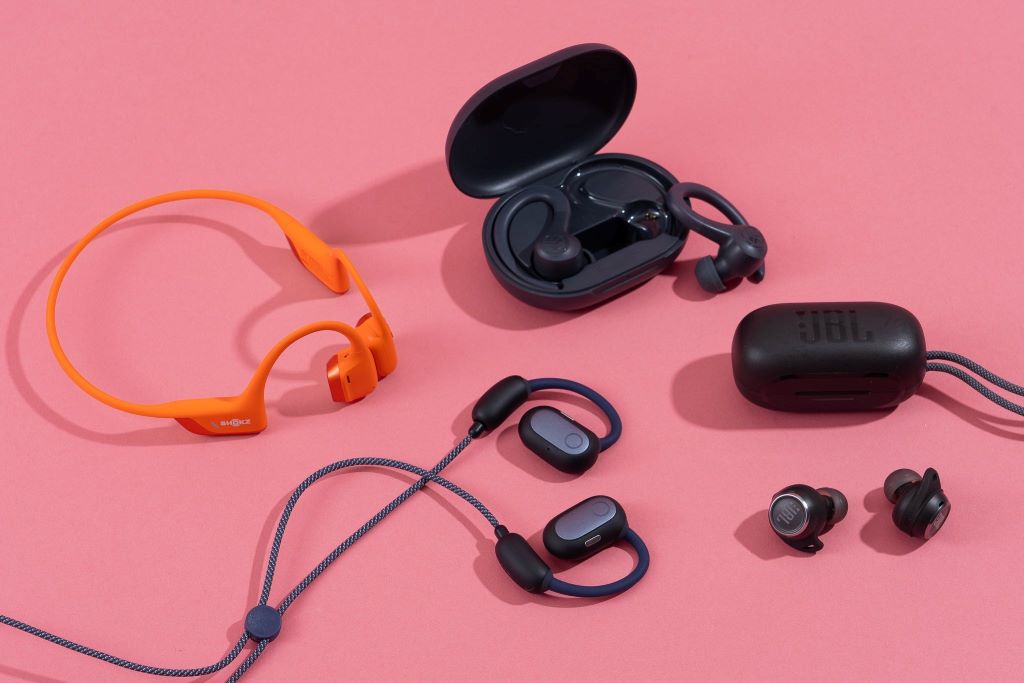
Battery life continues to improve, with top-tier headphones delivering 30-60 hours of playtime. Fast charging is also standard. For example, the JBL Tour One M2 gives 5 hours of playback with just a 10-minute charge.
Wireless charging cases and USB-C compatibility are becoming expected features. Consumers don’t want cables; they want convenience. With power efficiency at an all-time high, even compact earbuds can now rival over-ear models in stamina.
AI-Powered Audio Enhancement
One of the most transformative trends is AI audio upscaling. Using real-time processing, AI boosts low-quality audio into a near-lossless experience. For example, Samsung’s Galaxy Buds use AI to upscale voice calls and media playback in noisy environments.
Professional musicians and content creators also benefit. AI tools help balance EQ, improve latency, and even mimic studio-level acoustics on consumer headphones.
Expect AI to play an even larger role, potentially integrating with wearables to offer adaptive mood-based soundscapes.
Featured Snippet: What Are the Latest Innovations in Headphone Technology in 2025?
Q: What’s new in headphone technology and audio trends in 2025?
A: The latest in headphone technology includes AI-powered personalization, spatial audio, lossless streaming support, and adaptive noise cancellation. Brands now integrate EEG sensors, biometric tracking, and real-time environment detection. These upgrades aim to provide immersive, health-conscious, and smart audio experiences. Spatial audio has gained traction through services like Apple Music and Tidal, delivering cinema-like sound on the go. Battery innovations also lead the way, with fast charging and longer playtime now standard. AI-based audio upscaling and sustainable materials complete the 2025 innovation lineup.
Expert Tip: Choose headphones that support both spatial audio and personalized sound tuning to get the most immersive experience.
Real Reviews Highlight the Shift
- CNET praises the Bose QuietComfort Ultra for its “studio-grade ANC and crisp, low-latency Bluetooth performance.”
- The Verge calls Sony’s WH-1000XM5 “the smartest headphones money can buy.”
- What Hi-Fi? awarded the Technics EAH-AZ80 as 2025’s best earbuds for combining comfort, hi-res audio, and hybrid ANC.
Most Relevant FAQs on Headphone Trends
- Are AI-powered headphones worth it?
Yes. They adapt to your hearing, environment, and even mood for a tailored experience. - What is spatial audio and why is it important?
It creates a 3D soundstage, making music, movies, and calls feel immersive and lifelike. - How long do modern headphone batteries last?
Top models now offer up to 60 hours of playtime, with quick-charging capabilities. - Can headphones really improve sleep or reduce stress?
Yes. Brands use EEG sensors and guided audio to influence brain waves for sleep and relaxation. - Is lossless audio better than MP3?
It offers more detail, depth, and clarity—especially noticeable on quality hardware. - Are sustainable headphones reliable?
Absolutely. Brands like House of Marley prove that eco-friendly can still mean premium quality. - What’s the best headphone brand for 2025?
Sony, Bose, and Sennheiser lead, but startups like Nothing and EarFun offer excellent value and innovation.
The audio landscape in 2025 is rich with smart features, ethical choices, and immersive experiences. Whether you’re a casual listener or an audiophile, the latest in headphone technology & audio trends offers a compelling reason to upgrade. Stay tuned—your ears will thank you.