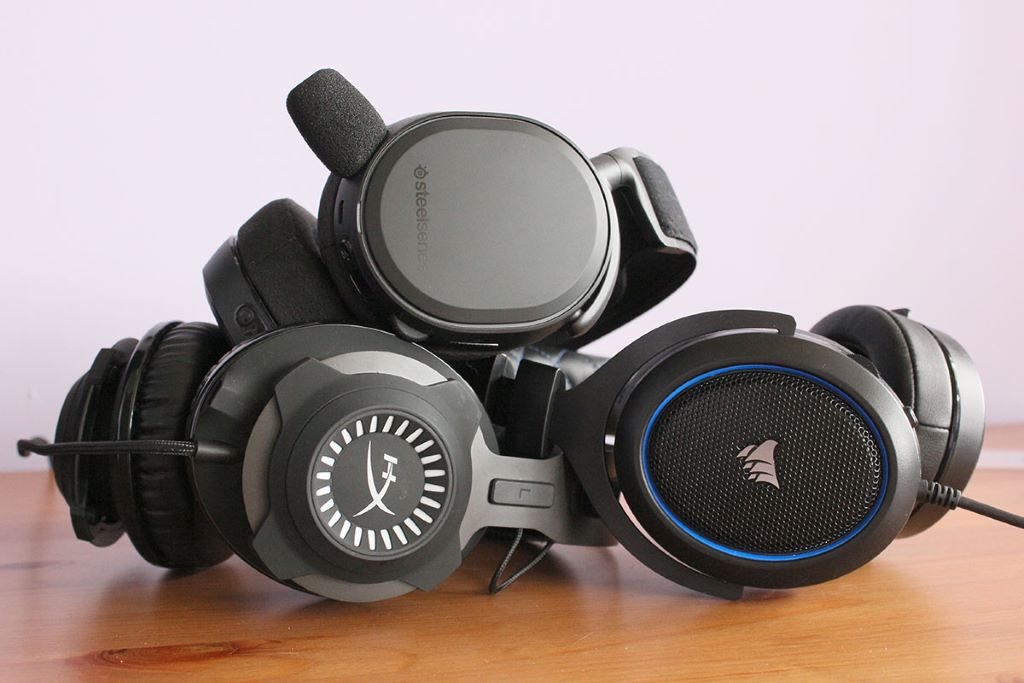
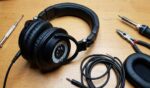


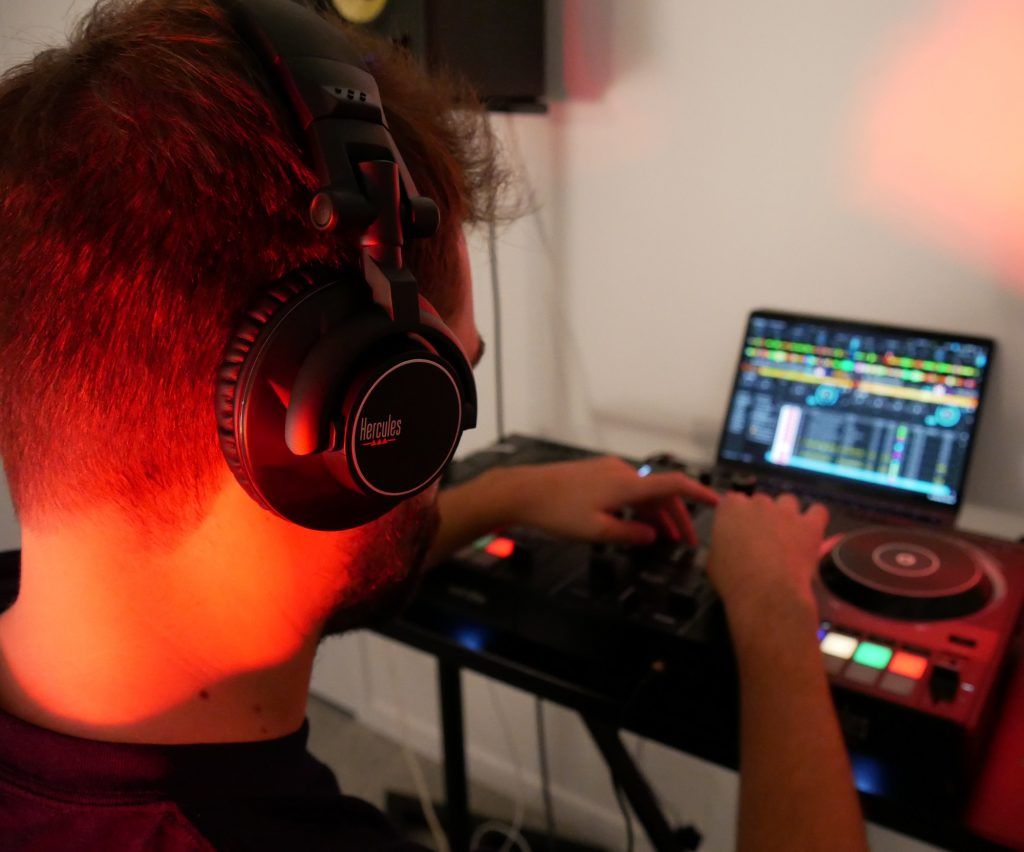
For DJs, the right pair of headphones is more than just a tool—it’s an extension of their craft. Whether you’re mixing tracks in a crowded club or fine-tuning beats in your home studio, the clarity, comfort, and durability of your headphones can make or break your performance. I still remember my first gig with a cheap pair of headphones. The bass was muddy, the ear cups kept slipping, and by the end of the night, my ears were screaming for mercy. That experience taught me the hard way: investing in high-quality over-ear DJ headphones is non-negotiable for anyone serious about mixing.
Over-ear DJ headphones are designed to deliver the precision and isolation needed to hear every nuance in your mix. Unlike consumer headphones, they prioritize sound accuracy, durability, and comfort during long sessions. If you’re ready to upgrade your gear, this guide will walk you through everything you need to know to pick the perfect pair.
Why Over-Ear DJ Headphones Are Essential for Professional Mixing
Over-ear DJ headphones are built for the demands of professional mixing. Unlike on-ear or in-ear models, they fully enclose your ears, providing superior noise isolation. This is critical in loud environments like clubs, where external noise can drown out subtle details in your mix. According to a survey by DJ TechTools, over 80% of professional DJs prefer over-ear headphones for their ability to block out ambient noise and deliver accurate sound reproduction.
Additionally, over-ear headphones offer a wider soundstage, allowing you to hear the full spectrum of frequencies clearly. This is especially important for DJs who need to distinguish between low-end basslines and high-end hi-hats. The padded ear cups also provide comfort during long sessions, reducing ear fatigue and allowing you to focus on your craft.
For those just starting out, a reliable dj headphones guide can be a game-changer. It helps you navigate the overwhelming number of options and find a pair that suits your needs and budget. Whether you’re spinning at a festival or practicing at home, the right headphones will elevate your performance and help you mix with confidence.
Key Features to Look for in DJ Headphones
Not all over-ear DJ headphones are created equal. To ensure you’re getting a pair that meets the demands of professional mixing, there are several key features to consider. Here’s what to prioritize:
1. Sound Quality and Frequency Response
The most important feature of any DJ headphone is its sound quality. Look for headphones with a balanced frequency response, typically ranging from 20Hz to 20kHz. This ensures you can hear every detail in your mix, from the deepest bass to the crispest highs. DJs often prefer headphones with a slight emphasis on the bass and mids, as these frequencies are crucial for beatmatching and blending tracks seamlessly.
Additionally, pay attention to the headphones’ impedance. Higher impedance (typically 25 ohms or more) means the headphones can handle more power, delivering louder and clearer sound. However, make sure your DJ controller or mixer can support the impedance of your headphones to avoid distortion.
2. Noise Isolation and Sound Leakage
Noise isolation is another critical factor. Over-ear DJ headphones should have closed-back designs to block out external noise and prevent sound leakage. This is especially important in live settings, where you need to focus on your mix without distractions. Look for models with thick, padded ear cups that create a tight seal around your ears.
Sound leakage can also be a concern, particularly if you’re performing in a quiet venue. Open-back headphones, while great for studio monitoring, are not ideal for DJing because they allow sound to escape, which can be distracting to both you and your audience.
3. Comfort and Durability
Comfort is key for DJs who spend hours mixing. Look for headphones with adjustable headbands and swiveling ear cups, which allow you to find the perfect fit. The ear cups should be padded with high-quality materials like memory foam or velour to reduce pressure on your ears.
Durability is equally important. DJ headphones take a lot of abuse, from being stuffed into bags to being dropped on the floor. Choose models with reinforced hinges, replaceable parts, and sturdy materials like metal or high-grade plastic. A detachable cable is also a plus, as it can be easily replaced if damaged.
4. Rotating Ear Cups
One of the most practical features for DJs is rotating ear cups. This allows you to listen to one side of your mix while keeping the other ear free to monitor the crowd or external sound. Most professional DJ headphones offer 90-degree or 180-degree rotation, making it easy to switch between one-ear and two-ear listening.
5. Cable Length and Type
The cable is often overlooked but plays a significant role in your mixing experience. A coiled cable is a popular choice among DJs because it extends when you move and retracts when you’re stationary, reducing clutter. However, straight cables are also common and may be preferable if you prefer a cleaner look.
Look for cables that are at least 3–6 feet long to give you plenty of room to move. Additionally, consider whether the cable is detachable. Detachable cables are more convenient for travel and can be replaced if they become damaged.
Closed-Back vs. Open-Back Headphones for DJing
When it comes to DJ headphones, the debate between closed-back and open-back designs is a common one. Each type has its own advantages and drawbacks, depending on your needs and environment.
Closed-Back Headphones
Closed-back headphones are the most popular choice for DJs. They feature a sealed design that blocks out external noise and prevents sound leakage. This makes them ideal for loud environments like clubs, where you need to focus on your mix without distractions. Closed-back headphones also tend to have a stronger bass response, which is great for beatmatching and blending tracks.
However, closed-back headphones can cause ear fatigue during long sessions due to their isolating design. They also tend to have a narrower soundstage compared to open-back models, which can make it harder to hear subtle details in your mix.
Open-Back Headphones
Open-back headphones are designed with perforated ear cups that allow air and sound to pass through. This creates a more natural and spacious soundstage, making them ideal for studio monitoring and critical listening. However, open-back headphones are not suitable for DJing in loud environments because they allow external noise to seep in and sound to leak out.
For DJs, open-back headphones are best reserved for studio work or quiet practice sessions. They’re not practical for live performances but can be a great addition to your gear collection if you also produce music.
Semi-Open Headphones
Semi-open headphones strike a balance between closed-back and open-back designs. They offer some noise isolation while still providing a wider soundstage. However, they’re not as effective at blocking out external noise as closed-back models, making them less ideal for live DJing.
Top Brands and Models for DJ Headphones
With so many options on the market, choosing the right pair of DJ headphones can be overwhelming. Here are some of the top brands and models trusted by professionals:
1. Pioneer DJ
Pioneer DJ is a household name in the DJ world, and their headphones are no exception. The Pioneer HDJ-X10 is a favorite among professional DJs for its exceptional sound quality, durability, and comfort. It features 50mm drivers, a closed-back design, and rotating ear cups, making it perfect for both studio and live use.
2. Sennheiser
Sennheiser is renowned for its high-quality audio products, and the Sennheiser HD 25 is a staple in the DJ community. These headphones are lightweight, durable, and offer excellent noise isolation. Their modular design allows you to replace parts like ear pads and cables, extending their lifespan.
3. Audio-Technica
Audio-Technica’s ATH-M50x is a versatile pair of headphones that’s popular among DJs and producers alike. It features 45mm drivers, a closed-back design, and swiveling ear cups for one-ear monitoring. The sound quality is balanced and accurate, making it a great choice for mixing and mastering.
4. Beyerdynamic
Beyerdynamic’s DT 770 Pro is a closed-back headphone known for its comfort and sound clarity. It features a rugged design, replaceable parts, and a wide frequency response, making it ideal for both DJing and studio work. The 80-ohm version is particularly popular for its balance of power and compatibility with most DJ equipment.
5. Sony
Sony’s MDR-7506 is a budget-friendly option that doesn’t skimp on quality. These headphones are lightweight, foldable, and offer a balanced sound profile. While they may not be as durable as some of the other models on this list, they’re a great choice for beginners or DJs on a budget.
How to Test DJ Headphones Before Buying
Before committing to a pair of DJ headphones, it’s important to test them to ensure they meet your needs. Here’s how to evaluate them effectively:
1. Sound Quality Test
Start by testing the sound quality. Play a variety of tracks with different frequencies, from deep basslines to high-pitched vocals. Listen for clarity, balance, and any distortion. The headphones should reproduce all frequencies accurately, without overemphasizing any particular range.
2. Noise Isolation Test
Test the noise isolation by wearing the headphones in a noisy environment. Play music at a moderate volume and see how well the headphones block out external noise. If you can still hear a lot of ambient sound, the noise isolation may not be sufficient for DJing in loud settings.
3. Comfort Test
Wear the headphones for at least 30 minutes to assess their comfort. Pay attention to the pressure on your ears and head. The ear cups should feel snug but not tight, and the headband should distribute weight evenly. If the headphones cause discomfort during this test, they’re likely not a good fit for long DJ sessions.
4. Durability Test
While you can’t fully test the durability of headphones in a store, you can inspect the build quality. Look for sturdy materials, reinforced hinges, and a detachable cable. If the headphones feel flimsy or cheap, they may not hold up to the rigors of DJing.
5. Rotating Ear Cups Test
If the headphones have rotating ear cups, test their range of motion. They should swivel smoothly and stay in place when adjusted. This feature is essential for one-ear monitoring, so make sure it works well.
Budget Considerations: How Much Should You Spend?
DJ headphones come in a wide range of prices, from budget-friendly options to high-end models. The amount you should spend depends on your needs, experience level, and budget. Here’s a breakdown of what to expect at different price points:
Budget (Under $100)
In this range, you’ll find entry-level DJ headphones that offer decent sound quality and basic features. These are a good choice for beginners or DJs on a tight budget. However, they may lack the durability and advanced features of higher-end models. Examples include the Sony MDR-7506 and Audio-Technica ATH-M20x.
Mid-Range ($100–$200)
Mid-range DJ headphones offer a balance of quality, durability, and features. They’re ideal for intermediate DJs who need reliable performance without breaking the bank. In this range, you’ll find models like the Pioneer HDJ-X5 and Sennheiser HD 25.
High-End ($200 and Above)
High-end DJ headphones are designed for professional use and offer the best sound quality, durability, and features. These are a worthwhile investment for serious DJs who demand the best. Examples include the Pioneer HDJ-X10 and Beyerdynamic DT 770 Pro.
When deciding how much to spend, consider how often you’ll use the headphones and the environments in which you’ll be DJing. If you’re just starting out, a budget or mid-range pair may be sufficient. However, if you’re a professional DJ performing regularly, investing in a high-end pair is a smart move.
Customizing Your DJ Headphones for Optimal Performance
Once you’ve chosen the right pair of DJ headphones, there are a few ways to customize them for optimal performance. Here’s how to get the most out of your gear:
1. Replace the Ear Pads
Ear pads wear out over time, reducing comfort and noise isolation. Most DJ headphones allow you to replace the ear pads with aftermarket options. Memory foam or velour pads can improve comfort and sound quality, while leatherette pads offer better noise isolation.
2. Upgrade the Cable
If your headphones have a detachable cable, consider upgrading to a higher-quality option. A braided or oxygen-free copper (OFC) cable can improve sound clarity and durability. You can also choose a cable with a different length or connector type to suit your setup.
3. Use a Headphone Amp
If your headphones have high impedance (e.g., 250 ohms), you may need a headphone amp to drive them properly. An amp can boost the signal from your DJ controller or mixer, ensuring you get the best sound quality. This is especially useful for studio work or critical listening.
4. Adjust the Fit
A proper fit is essential for comfort and sound quality. Adjust the headband and ear cups to ensure a snug, secure fit. If the headphones feel too tight or loose, look for models with adjustable headbands or aftermarket padding.
5. Clean and Maintain Regularly
Regular cleaning and maintenance can extend the life of your headphones. Wipe down the ear cups and headband with a damp cloth to remove dirt and sweat. Avoid using harsh chemicals, as they can damage the materials. Additionally, store your headphones in a protective case when not in use to prevent damage.
Common Mistakes to Avoid When Buying DJ Headphones
Even experienced DJs can make mistakes when choosing headphones. Here are some common pitfalls to avoid:
1. Prioritizing Style Over Substance
While it’s natural to want headphones that look cool, don’t sacrifice sound quality and durability for aesthetics. Focus on features that matter, like sound accuracy, noise isolation, and comfort.
2. Ignoring Impedance
Impedance is a critical factor in determining how well your headphones will work with your DJ equipment. If your headphones have high impedance, make sure your mixer or controller can support them. Otherwise, you may experience distortion or low volume.
3. Skipping the Test
Never buy DJ headphones without testing them first. Sound quality, comfort, and noise isolation can vary widely between models, so it’s important to try them out before making a purchase.
4. Overlooking Replaceable Parts
Headphones with replaceable parts, like ear pads and cables, will last longer and save you money in the long run. Avoid models with non-replaceable components, as they may need to be replaced entirely if a part fails.
5. Not Considering Your Environment
Think about where you’ll be using your headphones. If you’re DJing in loud clubs, closed-back headphones with good noise isolation are a must. If you’re mostly mixing at home, open-back or semi-open models may be a better fit.
The Future of DJ Headphones: Trends to Watch
The world of DJ headphones is constantly evolving, with new technologies and trends emerging all the time. Here are a few developments to keep an eye on:
1. Wireless DJ Headphones
While wired headphones are still the standard for DJs, wireless models are gaining popularity. Advances in Bluetooth technology have made it possible to achieve low-latency audio, which is critical for beatmatching. However, wired headphones are still preferred for their reliability and sound quality.
2. Active Noise Cancellation
Active noise cancellation (ANC) is becoming more common in consumer headphones, and it may soon make its way into DJ models. ANC uses microphones to pick up external noise and cancels it out with inverse sound waves. This could be a game-changer for DJs working in noisy environments.
3. Customizable Sound Profiles
Some high-end headphones now offer customizable sound profiles, allowing you to adjust the frequency response to your liking. This feature could be particularly useful for DJs who want to fine-tune their sound for different genres or venues.
4. Sustainable Materials
As environmental concerns grow, more manufacturers are turning to sustainable materials for their headphones. This includes recycled plastics, biodegradable foams, and even vegan leather. Expect to see more eco-friendly options in the coming years.
5. Smart Features
Smart features like touch controls, voice assistants, and app integration are becoming more common in consumer headphones. While these features may not be essential for DJs, they could add convenience and functionality to future models.
Conclusion
Choosing the right over-ear DJ headphones is a crucial step in elevating your mixing game. From sound quality and noise isolation to comfort and durability, there’s a lot to consider. By focusing on the features that matter most to you and testing different models, you can find a pair that meets your needs and helps you perform at your best.
Remember, the best DJ headphones are the ones that feel like an extension of your craft. Whether you’re a beginner or a seasoned pro, investing in a high-quality pair will pay off in the long run. So, take your time, do your research, and choose wisely.
Have you tried any of the headphones mentioned in this guide? Share your experiences or recommendations in the comments below! If you found this article helpful, don’t forget to share it with your fellow DJs. Happy mixing!
FAQs
What is the best impedance for DJ headphones?
The best impedance for DJ headphones depends on your equipment. Most DJ mixers and controllers can handle headphones with an impedance of 25–70 ohms. However, if you’re using a headphone amp, you can opt for higher impedance models (e.g., 250 ohms) for better sound quality.
Can I use studio headphones for DJing?
Yes, you can use studio headphones for DJing, but they may not offer the same level of noise isolation or durability as dedicated DJ headphones. Studio headphones are designed for critical listening and may have a more neutral sound profile, which can be an advantage or disadvantage depending on your preferences.
How do I clean my DJ headphones?
To clean your DJ headphones, use a damp cloth to wipe down the ear cups and headband. Avoid using harsh chemicals, as they can damage the materials. For deeper cleaning, use a mild soap solution and a soft brush to remove dirt and debris. Always allow the headphones to dry completely before using them again.
Are wireless headphones good for DJing?
Wireless headphones are improving, but wired headphones are still the best choice for DJing due to their reliability and low latency. Wireless models can suffer from interference and lag, which can be problematic for beatmatching. However, advances in Bluetooth technology may make wireless DJ headphones a viable option in the future.
How long do DJ headphones last?
The lifespan of DJ headphones depends on their build quality and how well you maintain them. High-end models with replaceable parts can last for many years, while budget options may need to be replaced every 1–2 years. Regular cleaning and proper storage can extend the life of your headphones.