



True wireless earbuds have revolutionized the way we listen to music, take calls, and consume media on the go. Gone are the days of tangled wires and bulky headphones. With advancements in technology, these tiny devices now pack powerful sound, long battery life, and smart features into a compact, wire-free design. But with so many options flooding the market, how do you pick the best pair for your daily needs?
I remember my first pair of true wireless earbuds. The freedom to move without wires was liberating, but the poor battery life and uncomfortable fit quickly turned excitement into frustration. That experience taught me the importance of choosing wisely. Whether you’re a fitness enthusiast, a commuter, or a music lover, the right pair can elevate your daily routine. If you’re overwhelmed by the choices, a reliable wireless earbuds guide can help you navigate the sea of options and find the perfect match for your lifestyle.
Why True Wireless Earbuds Are a Game-Changer
True wireless earbuds offer unparalleled convenience and portability. Unlike traditional wired earphones, they provide complete freedom of movement, making them ideal for workouts, commutes, and everyday use. According to a report by Counterpoint Research, the global market for true wireless earbuds grew by 33% in 2023, with over 300 million units shipped. This surge in popularity is driven by their ease of use, improved sound quality, and advanced features like active noise cancellation and touch controls.
Additionally, true wireless earbuds are designed for seamless connectivity. Most models use Bluetooth technology, allowing you to pair them with your smartphone, tablet, or laptop in seconds. This wireless connection eliminates the hassle of tangled cords and makes switching between devices effortless. Many earbuds also support voice assistants like Siri and Google Assistant, enabling hands-free control for calls, music, and smart home devices.
For those who prioritize hygiene, true wireless earbuds are a cleaner option. Without wires, there are fewer places for dirt and bacteria to accumulate. Plus, many models come with replaceable ear tips, making it easy to keep them fresh and comfortable.
Key Features to Look for in True Wireless Earbuds
Not all true wireless earbuds are created equal. To find the best pair for your needs, consider the following key features:
1. Sound Quality
Sound quality is the most important factor for any pair of earbuds. Look for models with balanced audio profiles that deliver clear highs, rich mids, and deep bass. Some earbuds offer customizable EQ settings, allowing you to tailor the sound to your preferences. Additionally, pay attention to the driver size. Larger drivers (e.g., 10mm or more) generally produce better sound, especially in the bass range.
For audiophiles, earbuds with support for high-resolution audio codecs like AAC, aptX, or LDAC are worth considering. These codecs provide better sound quality than the standard SBC codec, especially for streaming services that offer high-resolution audio.
2. Battery Life
Battery life is a critical consideration for daily use. Most true wireless earbuds offer between 5 and 10 hours of playback on a single charge, with the charging case providing additional power for 20–40 hours. If you’re a heavy user, look for models with longer battery life or quick-charging capabilities. Some earbuds can provide up to 1 hour of playback with just 5 minutes of charging.
Additionally, consider the battery life of the charging case. A case with a larger battery capacity can extend the total playback time, making it ideal for travel or long commutes.
3. Comfort and Fit
Comfort is key, especially if you plan to wear your earbuds for extended periods. Look for models with ergonomic designs and multiple sizes of ear tips to ensure a secure and comfortable fit. Some earbuds also feature wing tips or fins for added stability, which is particularly useful for workouts.
The weight of the earbuds also plays a role in comfort. Lighter models are generally more comfortable for long listening sessions. Additionally, consider the shape of the earbuds. Some people prefer the snug fit of in-ear models, while others may find semi-in-ear or on-ear designs more comfortable.
4. Noise Cancellation and Isolation
Noise cancellation and isolation are important features for true wireless earbuds. Active Noise Cancellation (ANC) uses microphones to pick up external noise and cancels it out with inverse sound waves. This feature is particularly useful for commuters, travelers, and anyone who wants to focus on their music without distractions.
Passive noise isolation, on the other hand, relies on the physical design of the earbuds to block out external noise. Earbuds with a snug fit and high-quality ear tips can provide effective passive noise isolation, even without ANC.
5. Water and Sweat Resistance
If you plan to use your earbuds for workouts or outdoor activities, water and sweat resistance are essential. Look for models with an IPX rating, which indicates their level of protection against water and sweat. For example, an IPX4 rating means the earbuds are resistant to splashes, while an IPX7 rating means they can be submerged in water up to 1 meter deep for 30 minutes.
Additionally, consider the durability of the earbuds. Models with reinforced materials and sturdy construction are more likely to withstand the rigors of daily use.
6. Connectivity and Bluetooth Range
A stable Bluetooth connection is crucial for a seamless listening experience. Most true wireless earbuds use Bluetooth 5.0 or later, which offers improved range, speed, and stability. Look for models with a strong Bluetooth signal and minimal latency, especially if you plan to use them for gaming or watching videos.
Additionally, consider the Bluetooth range of the earbuds. A longer range (e.g., 30 feet or more) gives you more freedom to move around without losing connection to your device.
7. Touch Controls and Smart Features
Many true wireless earbuds come with touch controls, allowing you to play, pause, skip tracks, and answer calls with a simple tap or swipe. Some models also support voice assistants, enabling hands-free control for various tasks. Additionally, look for earbuds with smart features like auto-play/pause, which automatically pauses your music when you remove an earbud and resumes when you put it back in.
True Wireless Earbuds vs. Other Types of Earphones
True wireless earbuds are just one of many types of earphones available. Here’s how they compare to other popular options:
True Wireless Earbuds vs. Wired Earphones
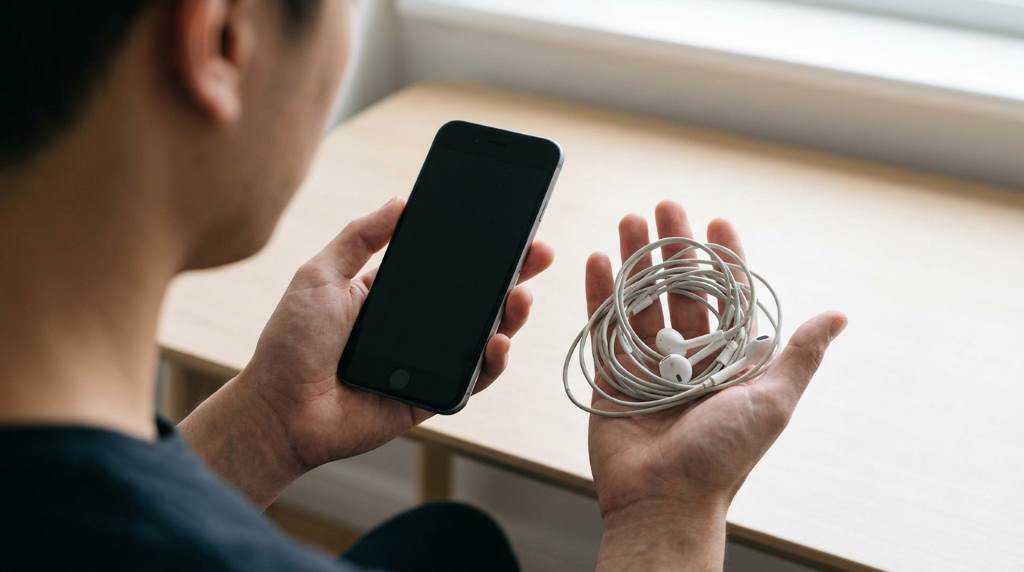
Wired earphones have been the standard for decades, offering reliable sound quality and a simple, no-fuss design. However, they lack the convenience and portability of true wireless earbuds. Wired earphones are also more prone to tangling and can be less durable due to the wear and tear on the cables.
True wireless earbuds, on the other hand, offer complete freedom of movement and a more modern, streamlined design. They’re ideal for active lifestyles and daily use, but they do require regular charging and can be more expensive than wired options.
True Wireless Earbuds vs. Wireless Neckbands
Wireless neckbands are another popular option for those who want a wire-free experience. These earphones feature a band that rests around your neck, with the earbuds connected by short cables. While they offer better battery life and stability than true wireless earbuds, they can be less comfortable and less portable.
True wireless earbuds are more compact and easier to carry around, making them a better choice for daily use. However, wireless neckbands may be a good alternative for those who prioritize battery life and a secure fit.
True Wireless Earbuds vs. Over-Ear Headphones
Over-ear headphones are known for their superior sound quality and noise isolation. They’re a great choice for audiophiles and those who want a more immersive listening experience. However, they can be bulky and less portable than true wireless earbuds.
True wireless earbuds are more convenient for daily use, especially for workouts, commutes, and travel. They’re also more discreet and comfortable for long listening sessions. However, they may not offer the same level of sound quality or noise isolation as over-ear headphones.
Top Use Cases for True Wireless Earbuds
True wireless earbuds are versatile and can be used in a variety of scenarios. Here are some of the most common use cases:
1. Workouts and Fitness
True wireless earbuds are a popular choice for workouts and fitness activities. Their wire-free design allows for complete freedom of movement, making them ideal for running, cycling, and gym sessions. Look for models with a secure fit, water and sweat resistance, and long battery life.
Additionally, some earbuds come with fitness-tracking features, such as heart rate monitoring and step counting. These features can help you stay motivated and track your progress during workouts.
2. Commuting and Travel
For commuters and travelers, true wireless earbuds offer a convenient and portable way to enjoy music, podcasts, and audiobooks on the go. Models with active noise cancellation can help block out the noise of traffic, airplanes, and crowded public transportation, allowing you to focus on your content.
Additionally, look for earbuds with a comfortable fit and long battery life for extended listening sessions. A compact charging case is also a plus, as it makes it easy to carry your earbuds with you wherever you go.
3. Daily Errands and Chores
True wireless earbuds are perfect for daily errands and chores. Their hands-free design allows you to take calls, listen to music, or catch up on podcasts while you’re on the move. Look for models with touch controls and voice assistant support for added convenience.
Additionally, consider the durability of the earbuds. Models with reinforced materials and sturdy construction are more likely to withstand the wear and tear of daily use.
4. Gaming
True wireless earbuds are becoming increasingly popular for gaming, thanks to their low latency and immersive sound quality. Look for models with a stable Bluetooth connection and minimal latency to ensure a seamless gaming experience. Additionally, some earbuds come with gaming-specific features, such as customizable EQ settings and surround sound.
5. Office and Remote Work
True wireless earbuds are a great choice for office and remote work. They allow you to take calls, join video conferences, and listen to music without the hassle of wires. Look for models with a built-in microphone and noise-canceling features for clear and professional-sounding calls.
Additionally, consider the comfort of the earbuds. Models with a snug fit and lightweight design are more comfortable for long listening sessions.
How to Choose the Right True Wireless Earbuds for Your Budget
True wireless earbuds come in a wide range of prices, from budget-friendly options to high-end models. The amount you should spend depends on your needs, preferences, and budget. Here’s a breakdown of what to expect at different price points:
Budget (Under $50)
In this range, you’ll find entry-level true wireless earbuds that offer basic features and decent sound quality. These are a good choice for casual listeners or those on a tight budget. However, they may lack advanced features like active noise cancellation or long battery life. Examples include the Soundcore Life P2 and JLab Go Air Pop.
Mid-Range ($50–$150)
Mid-range true wireless earbuds offer a balance of quality, features, and affordability. They’re ideal for most users and provide a significant upgrade over budget options. In this range, you’ll find models with better sound quality, longer battery life, and advanced features like active noise cancellation and touch controls. Examples include the Sony WF-1000XM4 and Jabra Elite 75t.
High-End ($150 and Above)
High-end true wireless earbuds are designed for audiophiles and those who demand the best. They offer superior sound quality, advanced features, and premium build quality. These models are a worthwhile investment for serious music lovers and professionals. Examples include the Apple AirPods Pro 2 and Bose QuietComfort Earbuds II.
When deciding how much to spend, consider how often you’ll use the earbuds and the features that matter most to you. If you’re a casual listener, a budget or mid-range pair may be sufficient. However, if you’re an audiophile or a professional, investing in a high-end pair is a smart move.
Common Mistakes to Avoid When Buying True Wireless Earbuds
Even with the best intentions, it’s easy to make mistakes when choosing true wireless earbuds. Here are some common pitfalls to avoid:
1. Ignoring Comfort and Fit
Comfort and fit are crucial for a good listening experience. If the earbuds don’t fit well, they can be uncomfortable and may not provide the best sound quality or noise isolation. Always try on earbuds before buying, or look for models with multiple sizes of ear tips to ensure a secure and comfortable fit.
2. Overlooking Battery Life
Battery life is a critical consideration for daily use. If the earbuds don’t last long enough, you may find yourself constantly recharging them. Look for models with at least 5–6 hours of playback on a single charge, and a charging case that provides additional power for 20–30 hours.
3. Sacrificing Sound Quality for Features
While advanced features like active noise cancellation and touch controls are nice to have, they shouldn’t come at the expense of sound quality. Always prioritize sound quality when choosing true wireless earbuds, and look for models that offer a balanced audio profile.
4. Not Considering Your Use Case
Different earbuds are designed for different use cases. For example, if you plan to use your earbuds for workouts, look for models with a secure fit, water and sweat resistance, and long battery life. If you’re a commuter, prioritize noise cancellation and comfort. Always consider your specific needs when choosing true wireless earbuds.
5. Skipping the Reviews
Before making a purchase, always read reviews from other users and experts. Reviews can provide valuable insights into the performance, comfort, and durability of the earbuds. Look for models with consistently positive reviews and high ratings.
Tips for Extending the Lifespan of Your True Wireless Earbuds
True wireless earbuds are an investment, so it’s important to take care of them to ensure they last as long as possible. Here are some tips for extending their lifespan:
1. Clean Them Regularly
Earbuds can accumulate dirt, earwax, and bacteria over time. Clean them regularly with a dry or slightly damp cloth to remove debris and prevent buildup. Avoid using harsh chemicals or abrasive materials, as they can damage the earbuds.
2. Store Them Properly
When not in use, store your earbuds in their charging case. This protects them from dust, moisture, and physical damage. Additionally, avoid exposing them to extreme temperatures or direct sunlight, as this can damage the battery and other components.
3. Avoid Overcharging
Overcharging can reduce the lifespan of the battery. Once your earbuds are fully charged, unplug the charging case to prevent overcharging. Additionally, avoid leaving the earbuds in the case for extended periods without use, as this can also drain the battery.
4. Replace the Ear Tips
Ear tips can wear out over time, reducing comfort and sound quality. Replace them regularly to ensure a secure and comfortable fit. Most manufacturers offer replacement ear tips in various sizes and materials.
5. Handle with Care
True wireless earbuds are small and delicate, so handle them with care. Avoid dropping them or subjecting them to rough treatment. Additionally, be gentle when inserting and removing them from your ears to prevent damage.
The Future of True Wireless Earbuds: Trends to Watch
The world of true wireless earbuds is constantly evolving, with new technologies and trends emerging all the time. Here are a few developments to keep an eye on:
1. Improved Battery Life
Battery life is a major concern for many users, and manufacturers are continuously working to improve it. Expect to see true wireless earbuds with even longer battery life in the future, thanks to advancements in battery technology and power efficiency.
2. Advanced Noise Cancellation
Active noise cancellation is already a popular feature, but it’s set to become even more advanced. Future earbuds may offer better noise cancellation, with the ability to block out a wider range of frequencies and adapt to different environments.
3. Health and Fitness Tracking
Some true wireless earbuds already come with fitness-tracking features, but this trend is set to grow. Future models may offer more advanced health and fitness tracking, such as heart rate monitoring, blood oxygen levels, and even stress tracking.
4. Customizable Sound Profiles
Customizable sound profiles are becoming more common in true wireless earbuds. This feature allows you to adjust the EQ settings to your preferences, creating a personalized listening experience. Expect to see more models with this feature in the future.
5. Sustainable Materials
As environmental concerns grow, more manufacturers are turning to sustainable materials for their earbuds. This includes recycled plastics, biodegradable foams, and even vegan leather. Expect to see more eco-friendly options in the coming years.
Conclusion
Choosing the best true wireless earbuds for daily use doesn’t have to be overwhelming. By focusing on key features like sound quality, battery life, comfort, and durability, you can find a pair that meets your needs and enhances your listening experience. Whether you’re a fitness enthusiast, a commuter, or a music lover, the right earbuds can make a world of difference.
Remember, the best true wireless earbuds are the ones that fit your lifestyle and budget. Take your time, do your research, and choose wisely. With the right pair, you’ll enjoy the freedom and convenience of wire-free listening for years to come.
Have you tried any of the earbuds mentioned in this guide? Share your experiences or recommendations in the comments below! If you found this article helpful, don’t forget to share it with your friends and family. Happy listening!
FAQs
How do I pair true wireless earbuds with my device?
Pairing true wireless earbuds with your device is usually a simple process. Start by putting the earbuds in pairing mode, which typically involves pressing and holding a button on the charging case. Then, go to the Bluetooth settings on your device and select the earbuds from the list of available devices. Consult the user manual for specific instructions, as the process can vary between models.
Are true wireless earbuds waterproof?
Not all true wireless earbuds are waterproof, but many models offer some level of water and sweat resistance. Look for earbuds with an IPX rating, which indicates their level of protection against water and sweat. For example, an IPX4 rating means the earbuds are resistant to splashes, while an IPX7 rating means they can be submerged in water up to 1 meter deep for 30 minutes.
How do I improve the battery life of my true wireless earbuds?
To improve the battery life of your true wireless earbuds, avoid overcharging them and store them in a cool, dry place. Additionally, turn off features like active noise cancellation when not in use, as they can drain the battery more quickly. Regularly cleaning the earbuds and their charging contacts can also help maintain optimal performance.
Can I use true wireless earbuds for gaming?
Yes, you can use true wireless earbuds for gaming, but there are a few things to consider. Look for models with a stable Bluetooth connection and minimal latency to ensure a seamless gaming experience. Additionally, some earbuds come with gaming-specific features, such as customizable EQ settings and surround sound. However, wired headphones are still the preferred choice for many gamers due to their reliability and lower latency.
What is the difference between active noise cancellation and passive noise isolation?
Active noise cancellation (ANC) uses microphones to pick up external noise and cancels it out with inverse sound waves. This feature is particularly useful for blocking out low-frequency noises like airplane engines or traffic. Passive noise isolation, on the other hand, relies on the physical design of the earbuds to block out external noise. Earbuds with a snug fit and high-quality ear tips can provide effective passive noise isolation, even without ANC.