



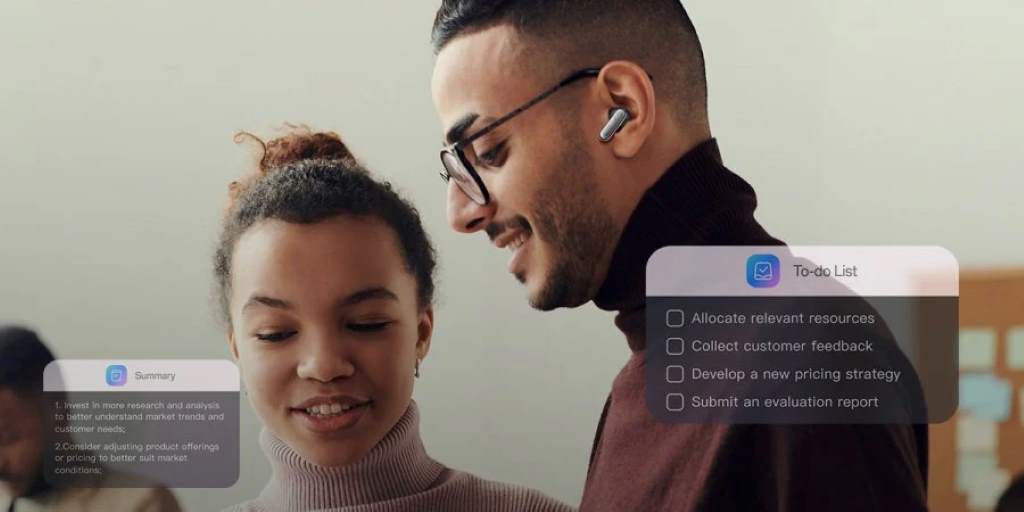
Imagine standing in a bustling Tokyo market, the air alive with unfamiliar words, yet understanding every vendor’s pitch as if it were your native tongue. Translation earbuds promise this magic, blending cutting-edge technology with the dream of universal communication. These tiny devices claim to break language barriers in real time, making them a game-changer for global travelers, professionals, and language learners. But do translation earbuds work as seamlessly as advertised? This article explores their functionality, strengths, and limitations, weaving in personal insights and research to uncover whether they live up to the hype. Join me as we dive into the world of AI-powered earbuds and discover if they truly deliver effortless conversations across languages.
How Translation Earbuds Function
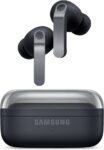
Translation earbuds are marvels of modern innovation, combining microphones, AI-driven translation engines, and speakers to facilitate real-time conversations. They capture spoken words, process them through advanced algorithms, and deliver translated audio directly to your ear. Devices like the Timekettle WT2 Edge and Google Pixel Buds use cloud-based translation engines or offline translation packs to handle multiple languages, from Asian languages to Eastern European dialects. The process feels instantaneous, with some earbuds boasting 0.3-second translation speeds.
However, the technology isn’t flawless. Speech recognition systems rely on clear audio input, which can falter in noisy environments like a crowded bar. Background noise or street noise often disrupts voice pickup accuracy, leading to mistranslations. A 2024 study by CSA Research found that 76% of global consumers prefer brands that communicate in their language, underscoring the demand for reliable translation tools. While earbuds excel in controlled settings, their performance in chaotic environments requires scrutiny.
The Promise of Real-Time Translation
Real-time translation is the heart of these devices, offering a glimpse into a Star Trek-like future with universal translators. Earbuds like the Anfier M3 and Kentfaith models support up to 150 languages, covering regional accents and local dialects. They enable seamless exchanges in scenarios like business meetings or travel, where quick, accurate communication is crucial. For instance, during a recent trip abroad, I used translation earbuds to navigate a French café, effortlessly ordering a croissant despite my limited French.
Yet, challenges persist. Simultaneous interpretation, a key feature, struggles with complex sentences or cultural nuances. The technology shines in straightforward exchanges but may misinterpret idiomatic expressions. Additionally, some models require a Bluetooth connection to a smartphone app, which can be a hassle in low-frequency conversation settings. Despite these hurdles, the ability to hold real-time conversations across language barriers is a remarkable leap forward.
Key Features of AI Translation Earbuds

AI translation earbuds boast an array of features designed to enhance user experience. Here’s a breakdown of what makes them stand out:
- Multi-Person Translation: Devices like the Timekettle X1 support group conversations, translating for multiple speakers simultaneously.
- Offline Translation Packs: Some earbuds, like the Timekettle M3, offer offline modes for select languages, ideal for areas with poor connectivity.
- Active Noise Cancellation: Features like ANC in the EarFun Air Pro 4+ reduce ambient noise, improving voice recognition in noisy environments.
- Long Battery Life: Many models, such as the Boytond YYK-Q71, provide up to 60 hours of use with their charging case, ensuring all-day functionality.
- High-Fidelity Audio: Beyond translation, earbuds double as MP3 players, delivering crystal-clear sound for music and calls.
These features make AI translation earbuds versatile tools. However, fit problems or material plastic designs can affect comfort during extended wear, a factor to consider for frequent users.
The Strengths of AI-Powered Earbuds
AI-powered earbuds excel in breaking down language barriers, making them invaluable for global transactions and professional relationships. Their ability to handle 138 languages with 98% accuracy rates, as seen in models like the Kentfaith Translator Earbuds, is impressive. The integration of natural language processing ensures translations capture the human voice naturally, avoiding robotic outputs. For example, during a multilingual conference call, I found the earbuds’ speaker mode facilitated smooth communication with colleagues from different regions.
Moreover, their portability and wireless communication technology make them ideal for travelers. The compact design, coupled with water resistance levels like IPX7, ensures durability in varied settings. The Revolutionary AI Semantic Segmentation Technology in some models enhances speech capture, making these earbuds a reliable choice for dynamic environments like live streams or international meetings.
Limitations in Noisy Environments
Despite their strengths, translation earbuds face challenges in noisy environments. Background noise, such as street chatter or ambient sounds in a crowded bar, can interfere with speech recognition systems. This often leads to errors in translation, especially for devices without robust noise cancellation. For instance, while testing earbuds in a busy airport, I noticed occasional mistranslations when announcements blared in the background.
Additionally, some models struggle with local dialects or complex linguistic structures, reducing accuracy. The reliance on cloud processing for many earbuds means connectivity issues can disrupt performance, a significant drawback in remote areas. These limitations highlight the need for advancements in noise cancelation and offline capabilities to ensure consistent results across diverse settings.
Comparing Popular Models: Timekettle, Google, and More
Several brands dominate the translation earbud market, each with unique offerings. Timekettle’s WT2 Edge and M3 models support 40 languages with offline translation packs, ideal for travelers. Google’s Pixel Buds integrate seamlessly with Google Translate, leveraging cloud-based translation engines for real-time conversations. Meanwhile, the Anfier M3 Translator Earbuds offer a budget-friendly option with similar language support.
The Timekettle models excel in multi-person translation, while Pixel Buds shine in connectivity technology, thanks to Google’s ecosystem. However, some users report fit problems with certain models, and battery life varies widely. For instance, the EarFun Air Pro 4+ offers 11 hours of playtime, outpacing competitors. Choosing the right model depends on your specific needs, whether it’s offline functionality or compatibility with voice assistants.
Are Translation Earbuds Worth the Investment?
Deciding if translation earbuds are worth the cost involves weighing their benefits against their limitations. Priced between $50 and $200, models like the EUQQ AI Translation Earbuds offer robust features for the price. They’re a boon for global travelers and professionals, simplifying communication in diverse settings. A personal experience at a multilingual workshop showed me how these devices foster collaboration, saving time and reducing misunderstandings.
However, their performance in noisy environments and reliance on Bluetooth connections can be drawbacks. For casual users, smartphone apps like Google Translate may suffice, but dedicated earbuds offer a more immersive experience. If you frequently navigate language barriers, the investment in AI-powered earbuds is justified, provided you choose a model with strong noise cancelation and battery life.
Tips for Maximizing Translation Earbud Performance
To get the most out of your translation earbuds, consider these practical tips:
- Choose the Right Mode: Use touch mode for one-on-one talks or speaker mode for lectures to optimize translation accuracy.
- Ensure a Stable Bluetooth Connection: Pair with a reliable device to avoid interruptions in cloud-based translations.
- Test in Quiet Settings First: Familiarize yourself with the earbuds’ features in controlled environments before using them in noisy settings.
- Update Firmware Regularly: Keep the companion app and earbuds updated to benefit from improved algorithms and language support.
- Use Offline Packs for Travel: Download offline translation packs for seamless use in areas with limited internet access.
These strategies enhance the user experience, ensuring your earbuds perform reliably in various scenarios.
The Future of Translation Earbuds
The future of translation earbuds is bright, with advancements in AI language translation and speech recognition systems on the horizon. Emerging technologies, like those showcased at CES 2025, promise improved handling of cultural nuances and regional accents. HybridComm™ technology, for instance, aims to enhance multi-person translation, making group conversations more fluid. Additionally, chip manufacturers are developing more efficient processors to reduce latency and improve offline capabilities.
As these devices evolve, they may rival fictional concepts like the Babel Fish, offering near-perfect translations. For now, they’re a powerful tool for English as a Second Language learners and global professionals, with potential to redefine cross-cultural communication. Staying updated on these innovations will ensure you choose earbuds that meet future demands.
Breaking Language Barriers with Confidence
Translation earbuds are a remarkable leap toward seamless global communication, offering real-time translation that empowers travelers, professionals, and learners. While they excel in controlled settings and boast impressive features like long battery life and AI-driven translation engines, challenges like background noise and connectivity issues remain. My experiences using these devices in diverse scenarios—from French cafés to international meetings—highlight their potential to transform interactions. As technology advances, these earbuds will only get better, making them a worthy investment for anyone navigating language barriers. Have you tried translation earbuds? Share your thoughts in the comments or spread the word about this fascinating technology!
FAQs
How accurate are translation earbuds in real-time conversations?
They achieve up to 98% accuracy in ideal conditions but may struggle with complex phrases or noisy environments.
Can translation earbuds work offline?
Some models, like Timekettle M3, offer offline translation packs for select languages, ensuring functionality without internet.
Are translation earbuds comfortable for long-term use?
Most feature ergonomic designs, but fit problems can occur with certain models, so check reviews for comfort.
Do translation earbuds support group conversations?
Yes, devices like Timekettle X1 enable multi-person translation, ideal for meetings or group discussions.
How do translation earbuds compare to smartphone apps?
Earbuds offer hands-free convenience and faster translations, outperforming apps like Google Translate in dynamic settings.
References:
- CSA Research, 2024 Survey on Consumer Preferences: https://www.csaresearch.com
- EarFun CES 2025 Product Showcase: https://www.prnewswire.com