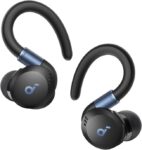
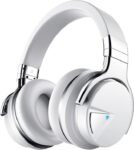
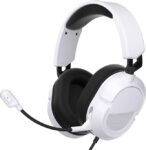
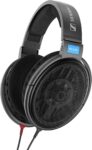

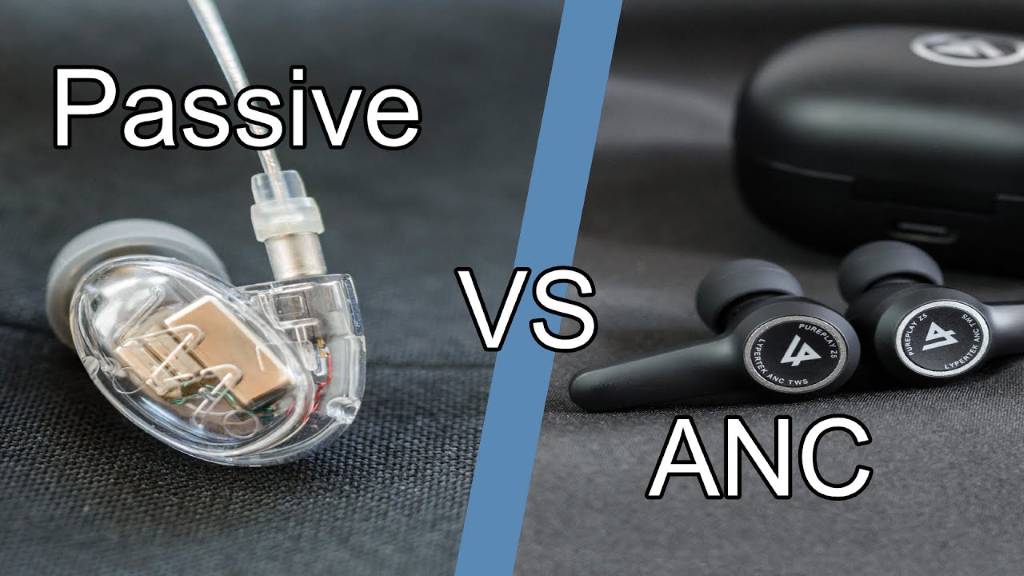
Travelers often battle the constant drone of airplane engines. This noise disrupts rest and focus during flights. Yet, solutions exist to create a calmer journey. Active noise cancellation, or ANC, uses technology to fight sounds. Passive noise reduction relies on materials to block them. Both approaches aim for peace in the sky. According to a 2022 study in Applied Acoustics, cabin noise during takeoff and landing frequently tops 80 decibels. Another report from the U.S. Government Accountability Office highlights that such levels can harm hearing over time. So, people seek effective ways to quiet the roar. This article compares ANC headphones and passive methods specifically for planes. Readers will gain insights to choose wisely.
Understanding Noise on Airplanes
Airplanes produce various sounds that challenge passengers. Engines rumble at low frequencies. Air rushes outside the cabin. People chat nearby. These elements combine into a noisy environment. During cruises, levels hover around 70 to 85 decibels. However, takeoff pushes them higher. Research from Boston University in 2024 shows even 45 decibels of aircraft noise links to shorter sleep. Frequent flyers face this issue often. Moreover, the confined space amplifies every sound. Consequently, travelers feel fatigued after long hauls. Understanding this helps appreciate noise reduction tools. For instance, low-frequency hums dominate engine noise. High-frequency sounds come from announcements or crying babies. Each type requires different blocking strategies. Therefore, selecting the right method matters greatly.
Cabin pressure changes add another layer. Ears pop, and discomfort rises. Noise exacerbates this feeling. Studies indicate prolonged exposure leads to stress. In fact, the Federal Aviation Administration notes aircraft must meet certification standards for external noise. But internal levels vary by model. Wide-body jets often prove quieter than smaller ones. Nevertheless, all flights involve some disturbance. Passengers turn to headphones for relief. They transform chaotic trips into serene escapes. So, exploring options becomes essential.
What is Active Noise Cancellation (ANC)?
Engineers design ANC to counteract unwanted sounds actively. Microphones pick up external noise. Circuits analyze these waves quickly. Then, speakers emit opposite signals. This process cancels the originals effectively. As a result, users hear less disturbance. ANC shines against steady low-frequency rumbles. Planes provide perfect examples of such environments. Technology evolved from military applications. Now, consumer headphones incorporate it widely. Brands refine algorithms for better performance. Consequently, travelers enjoy podcasts or music undisturbed.
ANC requires power to function. Batteries or charging keep it running. Without energy, it reverts to passive mode. Yet, the active part targets specific frequencies. Research in the Journal of Aviation/Aerospace Education & Research from 2025 confirms ANC reduces low-end noise by up to 20 decibels on turboprops. Users report clearer audio experiences. For example, pilots use similar systems in cockpits. This tech adapts to changing conditions. Therefore, it suits dynamic flight settings. People appreciate the immersion it creates.
What is Passive Noise Reduction?
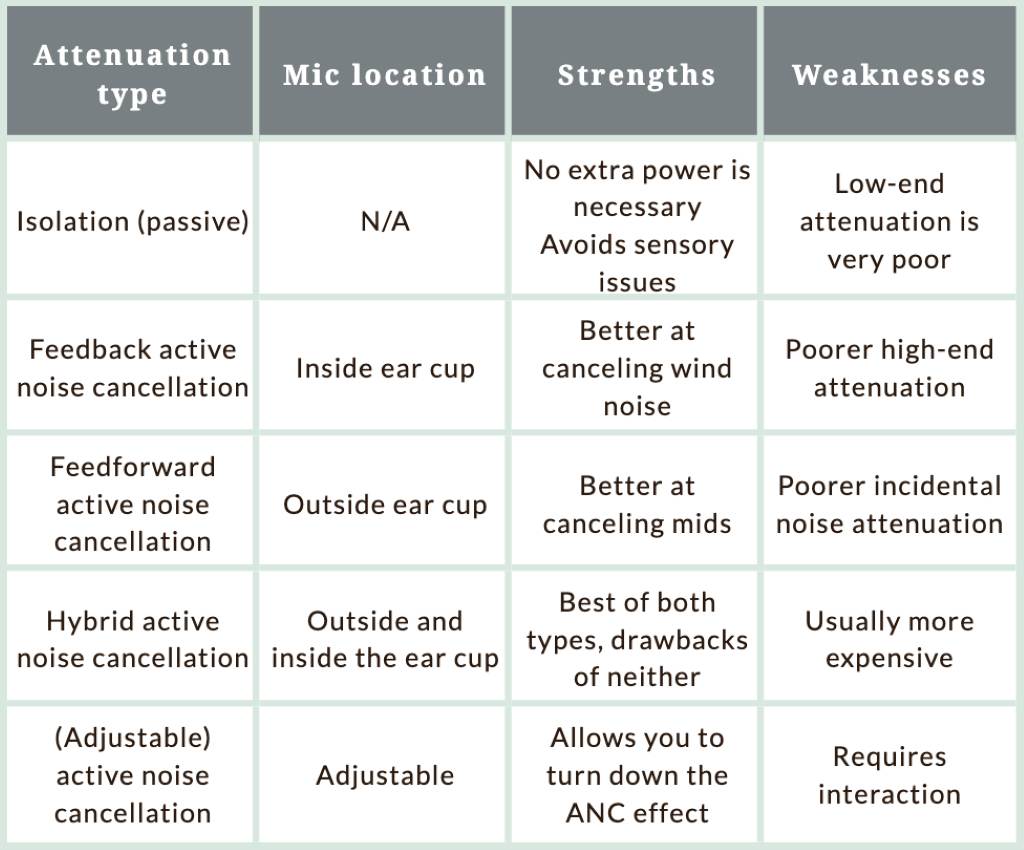
Designers craft passive reduction through physical barriers. Materials like foam or rubber seal out sounds. Over-ear cups enclose the ears completely. In-ear tips fit snugly inside canals. These methods block high-frequency noises well. No electronics get involved here. Simplicity defines this approach. Travelers rely on fit for effectiveness. Tight seals prevent leaks. As a result, external clamor diminishes naturally.
Passive options work without batteries. They stay reliable on long flights. Studies compare them to ANC often. A 2023 Logitech analysis shows passive isolation cuts mid-to-high frequencies by 15 to 30 decibels. Users feel immediate relief from sharp sounds. For instance, earplugs exemplify basic passive tech. Headphones enhance this with cushioned designs. Comfort plays a key role. Loose fits reduce benefits. Therefore, proper selection ensures success. Many combine passive with other features.
How ANC Works on Planes
ANC tackles the persistent engine hum head-on. Microphones detect the low roar inside cabins. Processors generate anti-noise waves instantly. Speakers blend them with your audio. This neutralizes the disturbance seamlessly. During takeoff, when noise peaks, ANC performs best. A 2025 study in Applied Acoustics found it boosts passenger comfort significantly. Travelers relax more easily. Moreover, it helps with ear pressure issues. 78 percent of users in a HiFi Sound Gear survey reported less discomfort.
Flights involve varying noise profiles. ANC adjusts in real time. Algorithms learn from surroundings. Consequently, quiet zones form around your ears. Pilots benefit from similar tech in helmets. Research from the Korean Society for Aeronautical and Space Sciences in recent years shows over 80 percent approval. Passengers echo this sentiment. For example, long-haul flyers sleep better. ANC pairs well with music. It creates personal bubbles amid crowds. Therefore, it revolutionizes air travel experiences.
How Passive Noise Reduction Performs in Flight
Passive methods create barriers against invading sounds. Thick padding absorbs vibrations. Seals prevent entry points. High-pitched cries or chatter fade away. On planes, this handles intermittent noises effectively. A Dyson comparison highlights passive consistency across conditions. It doesn’t rely on power sources. Travelers use it indefinitely. For instance, foam earplugs block 20 to 30 decibels routinely.
Fit determines success here. Custom molds offer superior results. Standard headphones provide broad coverage. Studies in Noise & Health journal note passive aids sleep during cruises. Users avoid battery worries. Moreover, it complements other strategies. Combine with seat choices for better outcomes. Passive shines in simplicity. No tech failures occur. Consequently, beginners prefer it often. Experienced flyers value its reliability.
Pros and Cons of ANC Headphones for Travel
ANC offers impressive advantages for flyers. It excels at low-frequency cancellation. Engine drones vanish almost completely. Users focus on entertainment easily. Additionally, it reduces fatigue on long trips. Research supports improved rest quality. Portability adds appeal. Many models fold compactly. Wireless options free movement.
However, drawbacks exist too. Power dependency tops the list. Dead batteries mean no active function. Some experience pressure sensations. Weight can feel heavier. Maintenance involves charging routines. Despite this, benefits often outweigh issues. Travelers adapt quickly.
- Pros:
- Targets plane-specific low noises effectively.
- Enhances audio clarity during flights.
- Adjusts to changing cabin sounds.
- Promotes relaxation and sleep.
- Cons:
- Requires regular recharging.
- May cause ear discomfort for some.
- Higher initial investment needed.
- Less effective against sudden high pitches.
Pros and Cons of Passive Noise Reduction on Planes
Passive approaches deliver straightforward benefits. They work instantly without setup. No electronics mean zero failures. Lightweight designs suit packing. Consistency provides peace of mind. Users block high-frequency disturbances well. For example, conversations nearby quiet down.
Challenges arise though. Limited low-frequency handling stands out. Engine hums persist somewhat. Fit issues reduce effectiveness. Sweat or movement loosens seals. Customization helps but adds steps. Still, many favor its simplicity.
- Pros:
- Operates without power sources.
- Handles high-pitched sounds reliably.
- Offers comfortable all-day wear.
- Easy to carry and use.
- Cons:
- Struggles with deep rumbles.
- Depends heavily on proper fit.
- Lacks adaptability to noise changes.
- May feel isolating in emergencies.
Direct Comparison: ANC vs Passive on Aircraft
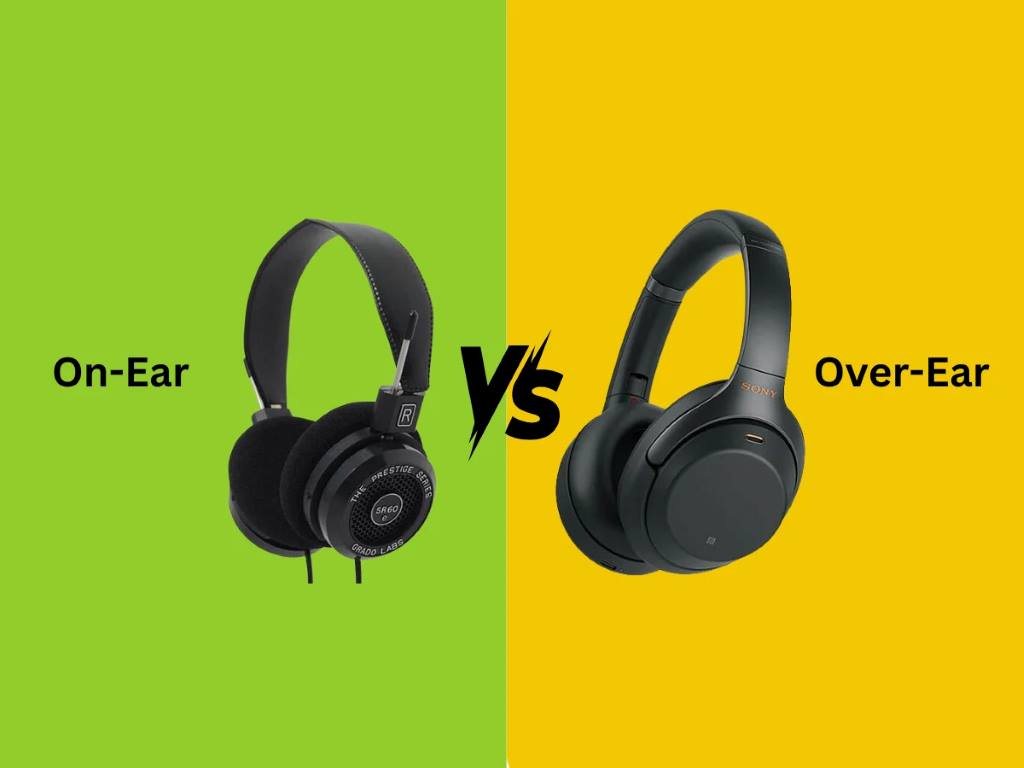
ANC and passive differ in core mechanisms. ANC actively fights noise with tech. Passive blocks it physically. On planes, ANC wins against constant low hums. A 2024 Buildings journal study shows ANC reduces more overall. Passive excels at sharp, high sounds. Combine them for best results. Many headphones do this already.
Effectiveness varies by scenario. Takeoff favors ANC’s power. Cruising suits both equally. Landing tests passive’s consistency. Research from ResearchGate in 2018 compares performances directly. ANC adapts better to variations. Passive remains steady. Users choose based on needs. For music lovers, ANC enhances experiences. Quiet seekers prefer passive ease. Both improve flights significantly.
Consider noise types. Low frequencies dominate cabins. ANC targets them precisely. Passive handles mids and highs. A MDPI analysis in 2022 notes ANC achieves up to 19 decibels reduction at ears. Passive offers 15 to 30 in its range. Therefore, ANC often edges out for planes.
Factors to Consider When Choosing
Personal preferences guide decisions. Frequent flyers assess flight durations. Long hauls benefit from ANC’s stamina. Short trips suit passive simplicity. Comfort ranks high too. Try fits in stores. Audio quality matters for entertainment.
Noise sensitivity plays a role. Sensitive ears need stronger cancellation. Budget influences options available. Research user reviews thoroughly. Travel habits factor in. Window seats reduce some noise naturally. Aisle positions expose more.
Health aspects deserve attention. Ear pressure issues favor ANC sometimes. Allergies affect material choices. Consult professionals if needed. Ultimately, test both types. Experiences reveal the best match.
Tips for Maximizing Noise Reduction in the Air
Preparation boosts effectiveness greatly. Select seats away from engines. Window spots often prove quieter. Book early for choices. Additionally, layer methods together. Use ANC with earplugs underneath.
Maintain gear properly. Clean seals regularly. Check batteries before boarding. Practice usage at home. This builds familiarity. Moreover, combine with apps. White noise tracks enhance blocking.
Stay hydrated during flights. It eases ear pressure. Chew gum on ascent. These habits complement tech. Finally, relax intentionally. Deep breaths amplify calm.
- Position headphones snugly.
- Adjust volumes moderately.
- Pair with neck pillows.
- Avoid over-reliance on one method.
- Experiment on short flights first.
Conclusion
ANC headphones battle low-frequency plane noises with smart tech. Passive reduction blocks high sounds through design. Both offer value for travelers. ANC adapts dynamically and reduces more rumble. Passive provides reliable, power-free relief. Comparisons show ANC often superior for flights. Factors like comfort and habits guide choices. Tips maximize benefits overall. Now, equip yourself for quieter journeys. Grab suitable headphones and enjoy peaceful skies on your next adventure.
FAQ: How Does ANC Compare to Passive Noise Reduction for Long Flights?
ANC outperforms passive on extended trips by targeting persistent engine hums. It allows better sleep and focus. Passive works well but leaves some low noise behind.
FAQ: Can I Use Both ANC and Passive Together on Planes?
Yes, many headphones combine both. Passive seals enhance ANC’s effects. This duo blocks a wider noise range effectively.
FAQ: What Noise Levels Do Planes Typically Have?
Cabins average 70 to 85 decibels in cruise. Takeoff and landing push over 80. Studies confirm these disrupt comfort.
FAQ: Do ANC Headphones Help with Ear Pressure on Flights?
They reduce discomfort for many users. 78 percent report relief in surveys. Passive aids too but less consistently.
FAQ: Which is Better for Blocking Baby Cries on Planes?
Passive excels at high-frequency sounds like cries. ANC focuses on lows but helps overall. Combine for best results.