


When choosing a guitar headphone amp, most players focus on tone quality and volume. However, there’s another crucial factor that significantly affects your listening experience: the damping factor. This technical specification plays a vital role in how your headphones respond to the amp’s signal. Understanding damping factor can help you make better decisions about your gear and improve your overall sound quality.
What Is Damping Factor in Audio Equipment
Damping factor refers to the ratio between your headphone’s impedance and your amplifier’s output impedance. Essentially, it measures how well an amplifier can control the movement of your headphone drivers. A higher damping factor means the amp has better control over the speaker elements inside your headphones.
The formula is straightforward. You divide the headphone impedance by the amplifier’s output impedance. For example, if your headphones have an impedance of 80 ohms and your amp has an output impedance of 2 ohms, the damping factor would be 40.
Therefore, this number tells you how effectively your amp can stop unwanted vibrations in your headphone drivers. Better control leads to cleaner, more accurate sound reproduction.
How Damping Factor Affects Your Sound Quality
The damping factor directly influences several aspects of your listening experience. First, it affects bass response and tightness. Additionally, it impacts overall clarity and detail in your guitar tone.
When damping factor is low, your headphone drivers may continue vibrating after receiving a signal. This creates a muddy, unfocused sound. The bass becomes boomy rather than tight and controlled. Conversely, a high damping factor keeps drivers in check, resulting in precise, articulate sound.
However, extremely high damping factors don’t always guarantee better sound. The relationship between damping factor and sound quality follows a curve rather than a straight line. Most experts agree that a damping factor above 8 provides adequate control for most headphones.
Impedance Matching Between Amps and Headphones
Understanding impedance matching helps you get the best performance from your setup. Guitar headphone amps typically have output impedances ranging from 0.5 to 120 ohms. Meanwhile, headphones can have impedances anywhere from 16 to 600 ohms.
The general rule suggests using headphones with impedance at least eight times higher than your amp’s output impedance. This ensures proper damping and control. For instance, if your amp has a 10-ohm output impedance, you should use headphones rated at 80 ohms or higher.
Nevertheless, many modern guitar headphone amps work well with various headphone impedances. Manufacturers design these amps to accommodate different models. Still, checking specifications helps you avoid potential mismatches that could affect your tone.
Real-World Impact on Guitar Playing
For guitarists, damping factor matters more than many realize. When practicing through headphones, you need accurate representation of your playing. Poor damping can mask mistakes or make your technique sound better or worse than it actually is.
Clean tones particularly benefit from good damping. The clarity allows you to hear every string clearly. Furthermore, complex chords sound more defined when drivers are properly controlled. You can distinguish individual notes within chord voicings more easily.
Distorted tones also improve with appropriate damping. While distortion adds compression, good damping maintains articulation. Your palm mutes sound tighter. Additionally, fast alternate picking passages remain clear instead of turning into mush.
According to research on headphone amplifier design published by Sound on Sound, output impedance significantly affects frequency response and damping in headphone systems. This technical relationship directly impacts what guitarists hear through their headphones.
Common Damping Factor Ranges
Different types of guitar headphone amps offer varying damping factors. Understanding these ranges helps set realistic expectations for your gear.
Budget-friendly solid-state amps often provide damping factors between 10 and 50. These work adequately for casual practice. However, they may lack the control needed for critical listening or recording applications.
Mid-range amps typically achieve damping factors of 50 to 200. This range suits most guitarists well. The improved control becomes noticeable in bass response and overall tightness.
High-end solid-state amps can reach damping factors above 200. Meanwhile, tube-based headphone amps usually have lower damping factors, ranging from 5 to 20. The tube design philosophy prioritizes harmonic coloration over strict accuracy.
Tube Versus Solid-State Damping Characteristics
Tube and solid-state guitar headphone amps approach damping factor differently. Each technology has distinct characteristics that affect your sound.
Tube amps naturally have higher output impedance, resulting in lower damping factors. This creates a slightly looser, more organic feel. Many guitarists prefer this quality for its musical warmth. The reduced damping adds subtle compression and harmonic richness.
Solid-state amps achieve much higher damping factors through lower output impedance. They provide tighter control and more accurate reproduction. This suits players who want to hear exactly what they’re playing without coloration.
Neither approach is objectively better. Your choice depends on personal preference and musical style. Blues and jazz players often gravitate toward tube amps. Meanwhile, metal and progressive players frequently choose solid-state designs for precision.
Choosing the Right Setup for Your Needs
Selecting the optimal combination of amp and headphones requires considering several factors. Your playing style, musical genre, and listening preferences all matter.
For practice sessions, moderate damping factors work fine. A ratio of 10 to 50 provides enough control for most situations. You’ll hear your mistakes clearly while enjoying musical tone.
Recording applications demand higher damping factors. Values above 50 ensure accurate monitoring. This helps you make better performance decisions during tracking. Moreover, you’ll catch subtle timing and dynamic issues more easily.
Live performance with in-ear monitors benefits from high damping as well. The increased control prevents fatigue during long sets. Additionally, clear monitoring helps you stay in tune and in time with your band.
According to Headphonesty’s guide on headphone impedance, matching impedance between sources and headphones optimizes both volume and sound quality, which directly relates to achieving proper damping factor ratios.
Testing and Evaluating Damping Factor
You can assess damping factor’s impact without complex measurements. Simple listening tests reveal whether your setup provides adequate control.
Play single bass notes and listen carefully. The notes should stop cleanly when you mute the strings. Excessive ringing or blooming indicates insufficient damping. Next, try fast palm-muted riffs. Each note should remain distinct rather than blurring together.
Furthermore, test with clean arpeggios across all strings. You should hear clear separation between notes. Poor damping causes notes to smear into each other.
Compare different headphones with your amp if possible. The differences you hear partly result from varying damping factors. This hands-on experience teaches you what works best for your ears.
Optimizing Your Current Setup
Even without buying new gear, you can improve damping-related issues. Several strategies help you get better results from existing equipment.
Using headphones with higher impedance increases damping factor with any amp. If your current headphones have 32-ohm impedance, trying 80-ohm or 250-ohm models might yield noticeable improvements.
Additionally, keeping cables short and high quality maintains signal integrity. Poor cables add resistance that effectively reduces damping factor. Invest in decent headphone cables for consistent performance.
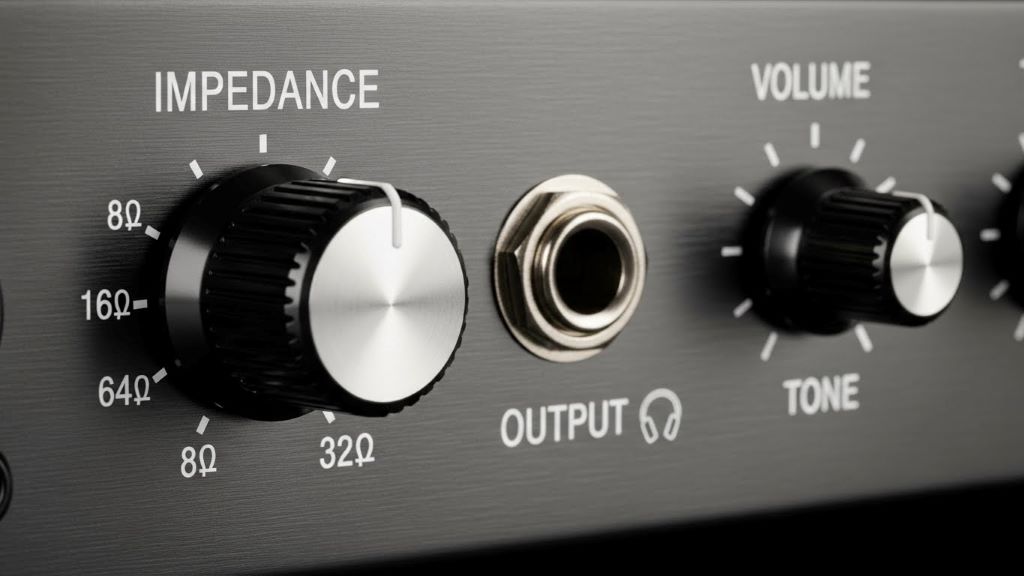
Some amps include impedance switches or gain settings. Experiment with these controls. They sometimes affect the amp’s interaction with your headphones, indirectly influencing damping characteristics.
Conclusion
Damping factor plays a crucial role in guitar headphone amp performance, though many players overlook this specification. It determines how well your amp controls headphone drivers, directly affecting bass response, clarity, and overall sound quality. Understanding the relationship between amp output impedance and headphone impedance helps you make informed gear decisions.
While high damping factors generally improve accuracy, the best choice depends on your personal preferences and playing style. Tube amps offer lower damping with musical character, whereas solid-state designs provide tighter control. Testing different combinations through careful listening reveals what works best for your needs. By paying attention to damping factor alongside other specifications, you’ll achieve better tone and more enjoyable practice sessions through your guitar headphone amp.
Frequently Asked Questions
What is a good damping factor for guitar headphone amps?
A damping factor above 8 provides adequate control for most headphones. Values between 10 and 50 work well for general practice, while 50 or higher suits critical listening and recording applications. The ideal number depends on your headphone impedance and personal preferences.
Does higher damping factor always mean better sound quality?
Not necessarily. While higher damping factors improve driver control and accuracy, extremely high values don’t guarantee superior sound. Beyond a certain point, the improvements become negligible. Additionally, some players prefer the musical character of lower damping found in tube amps.
How do I calculate the damping factor for my setup?
Divide your headphone impedance by your amp’s output impedance. For example, 80-ohm headphones with a 2-ohm output impedance amp equals a damping factor of 40. Check your equipment specifications or manufacturer websites for these values.
Can I use low-impedance headphones with guitar amps?
Yes, but damping factor will be lower, potentially affecting sound quality. Low-impedance headphones like 32-ohm models work better with amps designed specifically for them. Using higher-impedance headphones typically provides better results with guitar amps.
Why do tube amps have lower damping factors than solid-state amps?
Tube amplifiers naturally have higher output impedance due to their design and components. This results in lower damping factors, typically ranging from 5 to 20. Many guitarists appreciate the warmer, slightly looser sound character this creates.
Related Topics: