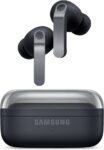
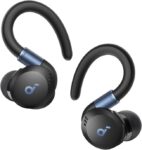
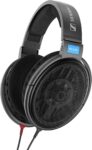
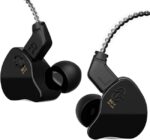

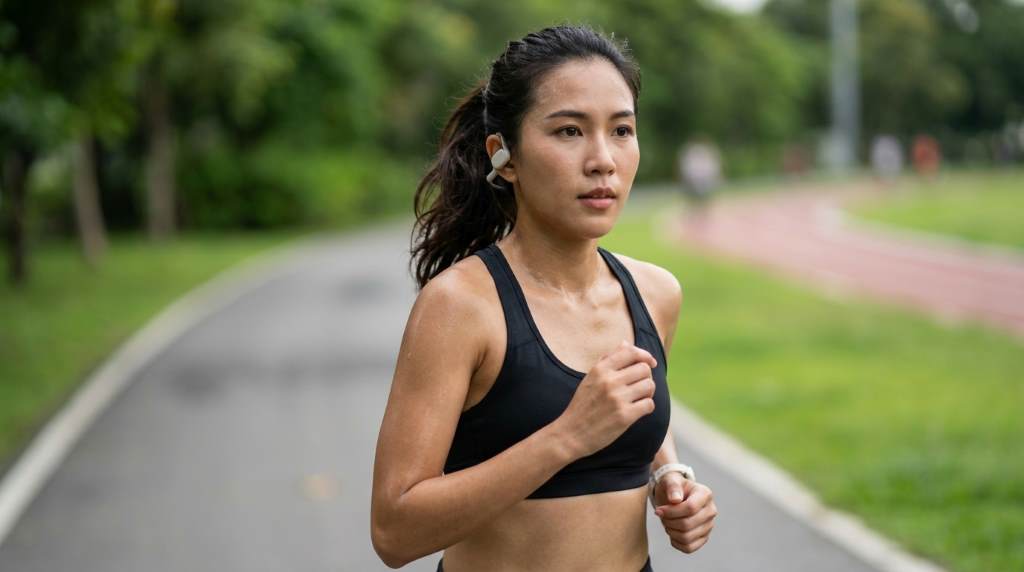
Pick running headphones that stay secure, deliver clear sound, resist sweat, and keep you aware of your surroundings. Focus on fit, comfort, battery life, and safety before comparing extra features. Choosing the right model improves every workout while reducing distractions.
Running headphones continue gaining popularity as more people exercise outdoors and indoors every year. Studies show millions of adults regularly use headphones during workouts because music improves motivation and consistency. This guide explains every important factor before buying new headphones. You can also compare the best running headphones for additional product insights before making your final decision.
Why Running Headphones Need Different Features
Regular headphones rarely perform well during active movement because they often loosen while running. Running headphones prioritize stability, comfort, and durability throughout longer training sessions.
Exercise creates sweat, repeated impacts, and constant movement that challenge ordinary audio equipment every day. Therefore, specialized models handle these conditions much more effectively than standard wireless earbuds.

Start with a Secure Fit
A secure fit should always become your highest priority before considering sound quality or premium features. Loose earbuds quickly become frustrating during fast runs or interval training.
Common Fit Styles
- Ear hook designs for maximum stability.
- Wing tip earbuds for balanced support.
- Open ear models for environmental awareness.
- Neckband headphones for extended battery life.
Most manufacturers include multiple ear tip sizes for better comfort during extended workouts. Testing several sizes usually creates a noticeably stronger seal and improved stability.
Prioritize Comfort During Long Runs
Comfort matters because uncomfortable headphones gradually become distracting after several miles of continuous movement. Lightweight materials reduce pressure while improving overall wearing comfort.
Soft silicone ear tips usually create better comfort than harder materials during extended training sessions. Additionally, balanced weight distribution prevents unnecessary pressure around your ears.
Choose Sweat and Water Resistance Carefully
Every running headset should withstand sweat without losing performance during demanding exercise sessions. Moisture protection increases product lifespan while reducing maintenance concerns.
Understand IP Ratings
- IPX4 handles light sweat and rain.
- IPX5 resists stronger water exposure.
- IPX7 survives temporary water immersion.
Higher ratings generally provide better protection during challenging weather and intense training sessions. Nevertheless, drying headphones after every workout remains an excellent maintenance habit.
Never Ignore Safety Features
Outdoor runners should remain aware of traffic, cyclists, pedestrians, and unexpected surroundings throughout every workout. Safety always deserves greater importance than complete sound isolation.
Open ear headphones help maintain environmental awareness without completely blocking surrounding sounds. Likewise, transparency modes provide similar awareness using built-in microphones.
Evaluate Sound Quality Wisely
Balanced sound creates a more enjoyable running experience without overwhelming important environmental sounds. Strong bass feels exciting, although excessive bass reduces overall audio clarity.
Clear vocals and detailed instrument separation often produce a more satisfying listening experience. Therefore, balanced tuning usually benefits runners more than exaggerated sound profiles.
Battery Life Should Match Your Routine
Battery capacity directly affects convenience during daily workouts and longer weekend training sessions. Frequent charging quickly becomes inconvenient for active runners.
Recommended Battery Targets
- At least 8 hours for earbuds.
- More than 20 total hours with charging case.
- Fast charging for unexpected workouts.
Quick charging features often provide valuable backup before spontaneous exercise sessions. Even ten minutes of charging may support an additional workout.
Bluetooth Stability Matters
Reliable wireless performance prevents frustrating audio interruptions while moving through different environments. Stable connections improve every listening session from beginning to end.
Modern Bluetooth technology delivers stronger range, lower latency, and improved power efficiency than older versions. Consequently, newer wireless standards generally provide better overall experiences.
Check Microphone Quality
Many runners answer calls before or after workouts using their headphones every week. Clear microphones improve communication without requiring phone handling.
Noise reduction technology minimizes wind interference during outdoor conversations. As a result, callers hear voices more clearly in changing environments.
Useful Smart Features Worth Considering
Several modern features improve convenience without dramatically increasing complexity for everyday users. Selecting valuable functions depends entirely on your personal preferences.
- Touch controls for easy playback.
- Voice assistant compatibility.
- Automatic wear detection.
- Companion mobile applications.
- Custom equalizer settings.
- Multipoint device connections.
Compare Open Ear and In Ear Designs
Open Ear Advantages
Open ear headphones maximize awareness while reducing pressure inside the ear canal during longer runs. They also improve comfort for many outdoor athletes.
In Ear Advantages
In ear earbuds deliver stronger bass, better isolation, and richer overall sound performance during exercise. Consequently, many treadmill users prefer this headphone style.
Match Headphones to Your Running Style
Different runners benefit from different headphone designs because training environments constantly vary. Your typical workout should influence every purchasing decision.
- Trail runners benefit from maximum environmental awareness.
- Gym runners often prefer stronger sound isolation.
- Marathon runners need exceptional comfort and battery life.
- Casual runners usually prioritize value and simplicity.
Common Buying Mistakes
Many shoppers focus only on sound quality while ignoring equally important practical features. This approach often creates disappointment after several workouts.
- Ignoring fit before buying.
- Choosing heavy headphone designs.
- Skipping water resistance ratings.
- Overlooking battery requirements.
- Ignoring warranty coverage.
- Buying without reading trusted reviews.
Simple Checklist Before Purchasing
Reviewing a practical checklist reduces unnecessary mistakes and simplifies final purchasing decisions. Careful comparisons usually produce better long-term satisfaction.
- Secure fit.
- Comfortable materials.
- Reliable sweat resistance.
- Balanced sound quality.
- Long battery life.
- Stable Bluetooth connection.
- Useful smart features.
- Good customer support.
Conclusion
The best running headphones combine secure fit, lasting comfort, dependable durability, and consistent audio performance for every workout. Balance these essentials before considering premium features or luxury extras.
Use this guide while comparing available options, then select headphones matching your running habits and personal priorities. Smart research today leads to more enjoyable workouts for years ahead.
Frequently Asked Questions
How important is headphone fit for running?
A secure fit prevents constant adjustments and improves comfort throughout every run.
Are waterproof headphones necessary for runners?
Sweat-resistant headphones usually meet running needs unless you expect heavy water exposure.
Should runners choose open ear headphones?
Open ear models improve environmental awareness during outdoor running.
How much battery life should running headphones have?
Choose earbuds offering at least eight hours of playback per charge.
Do expensive running headphones always perform better?
No, the best option depends on fit, durability, comfort, and your running habits.