




Imagine hitting the trail with music pumping energy into every step. You feel the rhythm sync with your stride. Yet, distractions fade away. Over-ear headphones wrap your ears in sound. They offer immersion that smaller buds sometimes miss. Runners often seek this setup for deeper audio experiences during workouts. However, safety and comfort matter most. A study from the University of Maryland revealed pedestrian accidents linked to headphones tripled from 2004 to 2011. Researchers examined 116 cases, noting 70 deaths. Additionally, Harvard Health experts warn that volumes over 85 decibels risk hearing damage. So, you want gear that boosts performance without hazards. This guide helps you pick the best over-ear headphones for running. We cover features, tips, and more to make your choice smart.
Why Choose Over-Ear Headphones for Running?
Over-ear headphones stand out for runners who crave rich sound. They enclose your ears fully. This design blocks outside noise naturally. You get bass that motivates long runs. For example, picture tackling a hill with thumping beats pushing you forward. In-ear options might slip, but over-ears provide stability when fitted right. Moreover, they suit various head sizes. Runners with sensitive ears appreciate the padding. It reduces pressure points.
However, not all over-ears work for exercise. Some feel bulky during movement. You need models built for activity. Think about your routine. Do you run roads or trails? Urban paths demand awareness of traffic. Trails allow more isolation. Over-ears excel in quieter spots. They deliver audio quality that enhances focus. Studies show music improves endurance. A 2020 review in the Journal of Sports Sciences found tunes increase workout time by 15 percent. So, over-ears amplify that benefit.
Additionally, over-ears handle sweat better than you might expect. Modern versions use breathable materials. You stay comfortable mile after mile. For instance, runners in humid climates report less irritation. Yet, always check for ventilation. Poor airflow leads to discomfort. Overall, over-ears suit dedicated athletes. They blend sound and security when chosen wisely.
Key Features to Consider When Selecting Over-Ear Headphones
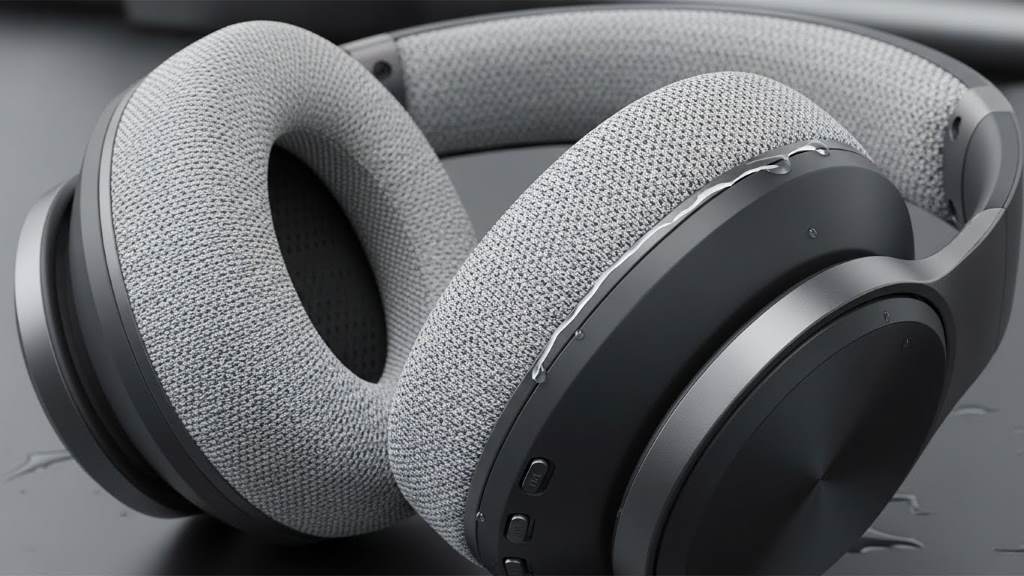
You face many options in stores. Focus on essentials. First, evaluate fit. Next, check durability. Then, assess audio. Connectivity follows. Finally, prioritize safety tools. Each element impacts your runs.
Fit and Comfort for Long Runs
Runners need headphones that stay put. Over-ears with adjustable bands help. You tweak them for a snug feel. Lightweight frames reduce fatigue. For example, carbon-fiber builds weigh less. Padding matters too. Memory foam cushions mold to your head. This prevents slipping during sprints.
Moreover, ear cup size counts. Larger ones cover ears without pinching. Small cups cause pain over time. Test for movement. Shake your head vigorously. Good pairs remain stable. Breathable fabrics wick moisture. You avoid hot spots. Runners often overlook headband grip. Silicone linings add traction. So, you run freely.
Additionally, consider ear shape. Oval designs fit most. Round ones suit broader ears. Comfort builds confidence. You focus on pace, not adjustments. Stories from marathoners highlight this. One athlete shared how secure fit shaved minutes off times. It eliminated distractions. Thus, prioritize trial runs in stores.
Sweat and Weather Resistance
Exercise brings perspiration. Over-ears must resist it. Look for IP ratings. Higher numbers mean better protection. You want at least IPX4 for splashes. Nano-coatings repel water. This keeps internals safe.
Furthermore, materials play a role. Synthetic leathers endure moisture. They clean easily too. Avoid cloth if you sweat heavily. It absorbs odors. Instead, opt for perforated pads. Air flows through. You stay dry.
For instance, trail runners face rain. Weatherproof seals matter. They prevent shorts. Urban joggers deal with humidity. Resistant builds last longer. Research from the American College of Sports Medicine stresses gear durability. It links reliable equipment to consistent training. So, choose wisely for all conditions.
Sound Quality That Motivates
Audio drives performance. Over-ears shine here. Large drivers produce deep bass. You feel beats in your core. Clear mids highlight vocals. Highs add energy. Balanced profiles suit playlists.
However, customize via apps. Equalizers tweak sounds. Boost lows for rhythm. Runners prefer dynamic ranges. They match stride tempos. For example, upbeat tracks need punch. Studies confirm this. A British Journal of Sports Medicine paper noted music synchronizes steps. It boosts efficiency by 7 percent.
Additionally, volume controls help. Touch panels adjust quickly. You keep momentum. Wired options tangle less now. But wireless dominates. Seek low latency. Delays frustrate. Quality sound transforms runs into adventures.
Battery Life and Connectivity Options
Long sessions demand power. Over-ears offer extended playtime. Aim for 20 hours minimum. Quick charges add convenience. Five minutes yield hours. You never miss beats.
Moreover, Bluetooth versions matter. 5.0 ensures stability. Fewer drops occur. Multi-device pairing switches sources. Phone to watch seamlessly. Runners value this flexibility.
For instance, GPS integration helps. Apps track with audio cues. Stable links prevent interruptions. A Consumer Reports survey found connectivity tops user lists. It affects satisfaction. So, test signals outdoors. Strong bonds enhance experiences.
Noise Management for Runner Safety
Awareness saves lives. Over-ears often isolate sound. Yet, ambient modes blend environments. You hear cars or cyclists. Transparency features amplify surroundings.
Furthermore, bone conduction alternatives exist. But over-ears with passthrough excel. Microphones capture externals. Adjust levels via controls. Runners in cities need this.
However, full cancellation suits tracks. It immerses you. Toggle switches adapt. Safety stats underline importance. The National Safety Council reports distracted pedestrians rise. Headphones contribute. Use modes wisely.
Additionally, volume limits protect hearing. Built-in caps prevent damage. You enjoy safely. For example, WHO guidelines suggest 80 decibels max. Apps monitor exposure. Smart choices guard health.
Comparing Over-Ear Headphones to Other Types for Runners
Options abound. In-ear buds fit snugly. They resist movement well. Yet, over-ears provide superior isolation. Bone conduction leaves ears open. Vibrations transmit sound. Safety increases.
However, over-ears offer fuller audio. Bass resonates deeper. Runners who prioritize quality lean here. In-ears seal tightly. Sweat builds inside. Over-ears ventilate better.
Moreover, on-ear models rest lightly. They slip easier though. Over-ears enclose securely. For trails, bone conduction shines. You detect wildlife. Urban runs favor ambient over-ears.
For instance, a 2025 study from the University of Michigan and WHO examined exposures. It found over-ears average safer volumes. Users adjust consciously. Comparisons guide decisions.
Additionally, comfort varies. In-ears irritate canals. Over-ears cushion broadly. Test multiple. Your preference emerges. Balance pros against needs.
Common Mistakes Runners Make When Choosing Headphones
Avoid pitfalls. First, ignore fit tests. You regret slips mid-run. Always try on. Next, overlook resistance. Sweat damages quickly. Check specs.
Furthermore, prioritize looks over function. Style fades. Performance lasts. Runners chase trends. Yet, basics matter more. Another error: skip safety features. Isolation risks accidents.
However, research helps. Read reviews. Real users share insights. For example, forums discuss durability. Learn from others.
Additionally, forget battery checks. Dead gear halts motivation. Plan charges. Finally, buy without returns. Policies allow trials. Use them.
Testing and Trying Over-Ear Headphones Before Purchase
Stores offer demos. Wear them. Jog in place. Feel stability. Listen to tracks. Assess bass.
Moreover, apps simulate runs. Volume tests reveal clarity. Bring your phone. Pair devices.
For instance, outdoor trials matter. Signals vary. You spot issues. Staff advice helps. They know models.
Additionally, online videos show fits. User footage informs. Combine methods. Confidence grows.
Maintenance Tips to Keep Your Headphones Performing
Clean regularly. Wipe pads. Remove grime. You extend life.
Furthermore, store properly. Cases protect. Avoid bends.
However, charge smartly. Full cycles maintain health. You ready always.
Additionally, update firmware. Features improve. Runs enhance.
For example, runners note better connectivity post-updates. Care pays off.
Conclusion
Choosing the best over-ear headphones for running involves key steps. Focus on fit, resistance, sound, battery, and safety. Compare types. Avoid common errors. Test thoroughly. Maintain well. These elements ensure great experiences. Now, grab a pair that matches your style. Start your next run with confidence.
FAQs
What Makes Over-Ear Headphones Suitable for Running?
Over-ears provide immersive sound and stability. They feature padding for comfort. Ambient modes add safety. Runners enjoy deep bass that motivates.
How Do I Ensure My Headphones Stay in Place During Runs?
Select adjustable bands and grippy materials. Test for movement. Lightweight designs help. Proper sizing prevents slips.
Why Is Sweat Resistance Important in Headphones?
Sweat can damage electronics. Resistant builds protect. They allow longer use. You stay focused on performance.
What Role Does Sound Quality Play in Running Headphones?
Quality audio boosts energy. Balanced profiles match paces. It improves endurance. Music synchronizes steps effectively.
Should I Prioritize Noise Cancellation or Awareness?
Balance both. Use ambient for streets. Cancellation suits tracks. Safety features adapt to environments.
References